


Construction projects across Connecticut generate a staggering amount of waste and for every new build or renovation, managing debris is a huge concern. And yet, did you know that wood waste alone can make up as much as 25 percent of construction debris in local projects? Most people think debris removal is all about hauling junk to the landfill. In reality, smart sorting and eco-friendly disposal can actually save money and make a positive impact on the environment at the same time.
Table of Contents
- Understanding Types Of Construction Debris
- Step-By-Step Guide To Safe Debris Removal
- Choosing The Right Disposal Service In Connecticut
- Emergency And Same-Day Junk Removal Solutions
Quick Summary
| Takeaway | Explanation |
|---|---|
| Understand debris types and categories | Know different types of construction debris for proper handling and disposal. Categories include structural, finishing, and mechanical waste. |
| Prioritize personal safety during removal | Always use protective gear, such as gloves, masks, and hard hats, to prevent injuries during debris removal. |
| Implement eco-friendly disposal techniques | Explore methods like deconstruction and recycling to minimize landfill impact and maximize material reuse. |
| Choose a compliant disposal service | Select a disposal service that meets state regulations and demonstrates expertise in waste segregation and environmental practices. |
| Act swiftly during emergency debris situations | Have a quick response plan for urgent removal scenarios, ensuring safety protocols and proper equipment are in place. |
Understanding Types of Construction Debris
Construction debris represents a complex ecosystem of materials generated during building, renovation, and demolition projects. Understanding these materials is crucial for effective disposal and environmental responsibility. Learn more about our debris removal strategies.
Common Construction Debris Categories
Construction sites generate multiple types of waste materials that require specialized handling. According to the Connecticut Department of Energy and Environmental Protection, these materials typically fall into several key categories:
- Structural Materials: Concrete, bricks, wood, steel, and other foundational components that form the primary waste stream from construction and demolition activities.
- Finishing Materials: Drywall, plaster, ceramic tiles, glass, and insulation materials that contribute significantly to debris volume.
- Mechanical and Electrical Waste: Pipes, wiring, electrical components, and HVAC system parts that require specialized disposal techniques.
Here is a table summarizing the main categories of construction debris along with examples for each type, to make the distinctions and management needs clear:
| Debris Category | Example Materials | Typical Handling Requirement |
|---|---|---|
| Structural Materials | Concrete, Bricks, Wood, Steel | Heavy machinery, can be recycled/reused |
| Finishing Materials | Drywall, Plaster, Ceramic Tiles, Glass, Insulation | Careful sorting, some recyclable |
| Mechanical and Electrical Waste | Pipes, Wiring, Electrical Components, HVAC parts | Specialized disposal/recycling |
Material Complexity and Environmental Impact

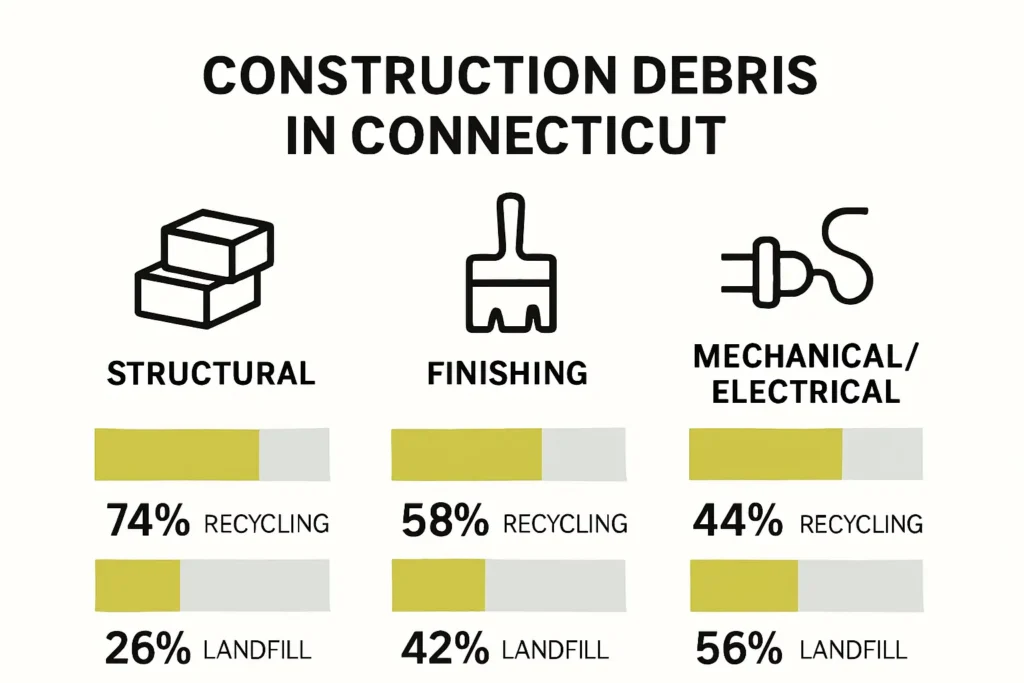
The US Environmental Protection Agency highlights that construction debris is not merely waste but a potential resource. Different materials demand unique disposal and recycling approaches. Concrete and asphalt can often be crushed and reused in new construction projects, while metals have high recyclability rates. Wood materials might be repurposed for landscaping or converted into biomass energy.
Wood debris, for instance, can represent up to 25% of total construction waste. Metal scraps are particularly valuable, with recycling rates exceeding 90% in many regions. Plastics and composite materials present more challenging disposal scenarios, often requiring specialized processing to minimize environmental impact.
Connecticut’s regulatory framework, as detailed in state waste management guidelines, mandates careful separation and responsible disposal of these diverse materials. Contractors and property owners must understand these nuanced requirements to ensure compliance and minimize ecological footprint.
By recognizing the diversity and potential of construction debris, property owners and contractors can transform waste management from a logistical challenge into an opportunity for sustainable practice. Proper identification, sorting, and disposal not only reduce landfill burden but can also generate cost savings and contribute to broader environmental conservation efforts.
Step-by-Step Guide to Safe Debris Removal
Safe construction debris removal requires strategic planning and methodical execution. Check out our comprehensive debris management approach to ensure a smooth and responsible removal process.
Personal Safety Preparation
Before initiating any debris removal project, personal safety must be the top priority. According to the Federal Emergency Management Agency, proper protective equipment is essential. Workers should wear:
- Sturdy Protective Gear: Heavy-duty gloves, steel-toed boots, hard hats, safety glasses, and respiratory masks to prevent potential injuries and exposure to harmful particles.
- Protective Clothing: Long-sleeved shirts and pants made from durable materials to minimize skin exposure to sharp or contaminated debris.
- Additional Safety Equipment: First aid kit, work lights for low visibility areas, and communication devices in case of emergencies.
Material Sorting and Preparation
Effective debris removal hinges on strategic sorting and preparation. The Connecticut Department of Energy and Environmental Protection recommends a systematic approach to waste management:
- Create designated sorting areas for different material types
- Separate recyclable materials from non-recyclable waste
- Identify potentially hazardous materials requiring special disposal
- Estimate total waste volume to plan appropriate removal strategies
Below is a table outlining the typical steps for safe construction debris removal, summarizing the key actions for each phase:
| Step | Key Action / Requirement |
|---|---|
| Safety Preparation | Wear gloves, masks, boots, hard hats, safety glasses, protective clothing |
| Set Up Sorting Areas | Designate locations for different material types |
| Sort Materials | Separate recyclables, non-recyclables, and hazardous materials |
| Estimate Waste Volume | Calculate debris amounts to plan removal strategy |
| Select Disposal Methods | Choose recycling, landfill, or deconstruction based on local regulations |
Eco-Friendly Disposal Techniques
Connecticut emphasizes sustainable debris removal practices. DEEP guidelines highlight deconstruction as an environmentally responsible alternative to traditional demolition. This approach involves carefully dismantling structures to maximize material salvage and reuse.
Key considerations for eco-friendly disposal include:
- Prioritizing material recycling over landfill disposal
- Working with certified waste management professionals
- Understanding local regulations for construction and demolition waste
- Minimizing environmental impact through strategic material handling
By following these comprehensive steps, property owners and contractors can ensure safe, efficient, and environmentally responsible construction debris removal. Proper planning, personal protection, methodical sorting, and commitment to sustainable practices are fundamental to successful debris management in Connecticut.
Choosing the Right Disposal Service in Connecticut
Selecting an appropriate debris removal service in Connecticut requires careful consideration of multiple factors. Explore our comprehensive disposal solutions to understand the nuanced landscape of waste management.
Evaluating Service Capabilities
When choosing a debris removal service, property owners must assess several critical aspects. The Connecticut Department of Energy and Environmental Protection recommends thoroughly examining a service provider’s capabilities:
- Waste Segregation Expertise: Professionals should demonstrate ability to separate recyclable materials like corrugated cardboard, scrap metal, and clean fill from general construction debris.
- Licensing and Compliance: Verify the service provider holds current state and local permits for waste management and disposal.
- Environmental Certifications: Look for companies committed to sustainable disposal practices and minimizing landfill contributions.
Understanding State Disposal Regulations
Connecticut maintains strict regulations governing construction and demolition waste management. According to DEEP guidelines, contractors must understand key regulatory requirements:
- Materials may qualify for ‘beneficial use determination,’ allowing reuse in manufacturing or as commercial product substitutes.
- Proper documentation and tracking of waste streams are mandatory.
- Dust emission control and wastewater management are critical compliance areas.
Cost and Efficiency Considerations
Beyond regulatory compliance, property owners should evaluate the economic aspects of debris removal. State environmental guidelines suggest considering:
- Total project volume and complexity
- Disposal method efficiency
- Potential recycling or material recovery opportunities
- Transportation and processing costs
Successful debris removal in Connecticut demands a strategic approach that balances regulatory compliance, environmental responsibility, and cost-effectiveness. By carefully selecting a disposal service that understands local requirements and demonstrates commitment to sustainable practices, property owners can ensure efficient and responsible waste management.
Emergency and Same-Day Junk Removal Solutions
Emergency debris removal demands quick, efficient, and strategic responses to unexpected waste management challenges. Learn about our rapid response solutions to address urgent junk removal needs in Connecticut.
Identifying Emergency Removal Scenarios
Emergency junk removal situations can arise from various unexpected events. According to the Federal Emergency Management Agency, critical scenarios requiring immediate attention include:
- Natural Disaster Aftermath: Debris from storms, floods, or wind damage that poses immediate safety risks
- Sudden Property Cleanouts: Urgent removals during estate settlements, foreclosures, or emergency relocations
- Hazardous Waste Situations: Immediate removal of potentially dangerous materials that compromise property safety
Preparation and Safety Protocols
The Connecticut Department of Energy and Environmental Protection emphasizes critical preparation steps for emergency debris removal:
- Conduct an immediate safety assessment of the debris area
- Identify and segregate potentially hazardous materials
- Ensure proper protective equipment is available
- Document the waste for insurance and disposal purposes
Efficient Removal Strategies

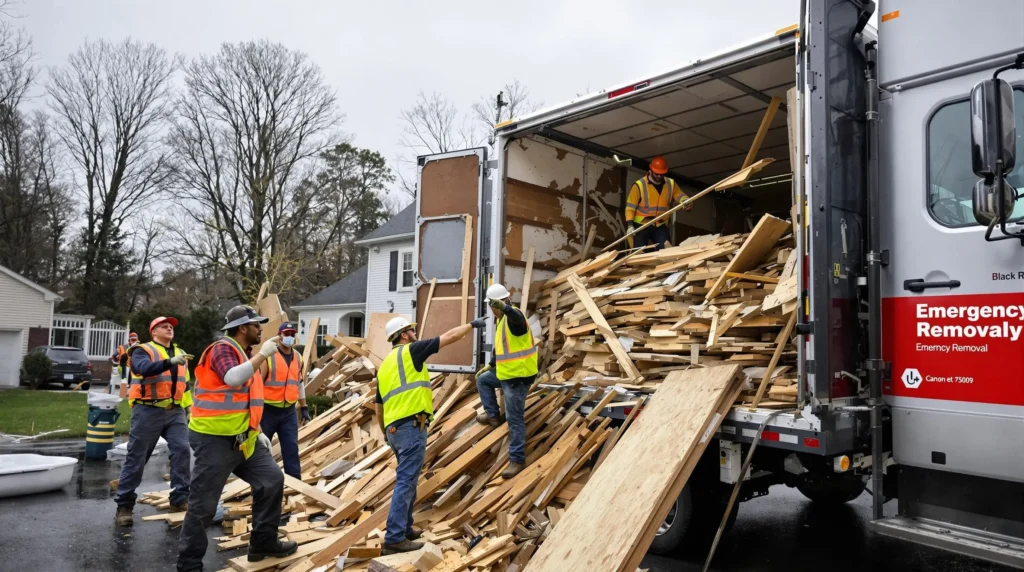
Effective emergency junk removal requires a systematic approach. The Whole Building Design Guide recommends strategies to maximize efficiency:
- Prioritize debris that poses immediate safety risks
- Implement quick sorting mechanisms to separate recyclable and hazardous materials
- Utilize specialized equipment for rapid removal
- Coordinate with local authorities for complex removal situations
Connecticut residents facing urgent debris removal challenges must balance speed with safety and regulatory compliance. By understanding the critical steps in emergency junk removal, property owners can minimize risks, protect their property, and ensure responsible waste management during unexpected situations.
Quick response times, proper safety protocols, and strategic removal approaches are essential in managing emergency debris. Whether dealing with storm damage, sudden property cleanouts, or unexpected waste accumulation, having a reliable and experienced junk removal service can make all the difference in mitigating potential risks and restoring property safety.
Frequently Asked Questions
What types of construction debris can be found on job sites?
Common types of construction debris include structural materials like concrete and wood, finishing materials such as drywall and insulation, and mechanical waste like pipes and electrical components.
How can I safely prepare for construction debris removal?
Ensure personal safety by wearing protective gear, such as gloves, hard hats, and safety glasses. Additionally, create designated sorting areas for different types of materials before starting the removal process.
What eco-friendly disposal methods are recommended for construction debris?
Eco-friendly disposal methods include deconstruction, where structures are carefully dismantled to salvage materials, and recycling, which reduces landfill contributions while maximizing material reuse.
How do I choose the right debris removal service in Connecticut?
When selecting a debris removal service, evaluate their waste segregation expertise, ensure they comply with local regulations, and check for environmental certifications to confirm their commitment to sustainable practices.
Take the Stress Out of Construction Debris Removal in Connecticut
Tackling a renovation or demolition project means facing mountains of debris, strict Connecticut disposal regulations, and constant worries about safety and eco-friendly practices. The article highlights just how overwhelming sorting materials, meeting state guidelines, and finding a reliable service can be. If you have ever struggled with last-minute cleanouts or felt pressure to dispose of bulk waste the right way, you are not alone. Choosing the right partner is essential to avoid fines, protect your crew, and keep your project moving on schedule.
Let our experienced team at CMC Carting Solutions take these challenges off your hands. We specialize in safe, compliant debris removal tailored to both residential and commercial needs across Litchfield County. From heavy construction waste to urgent same-day pick-ups, we provide transparent pricing and a hassle-free process every step of the way.
Ready to clear your site quickly and responsibly? Visit us to get a personalized quote today and discover why local property owners trust us for efficient, eco-friendly solutions. Let us help you reclaim your space and keep your project on track now.