


Demolition debris piles up fast after any major teardown in Connecticut and the sheer volume can be shocking. Between 15 percent and 20 percent of all municipal solid waste in the state actually comes from demolition and construction projects. Most people assume trashing debris is just about hauling everything away. In reality, choosing how you get rid of all that material can shrink your costs, protect the planet, and even help your project finish faster.
Table of Contents
- Understanding Demolition Debris Types
- Safe And Efficient Debris Removal Steps
- Proper Disposal And Recycling Options
- Choosing Reliable Same-Day Removal Services
Quick Summary
| Takeaway | Explanation |
|---|---|
| Identify Demolition Waste Types | Understand the categories of debris—structural, non-structural, and hazardous—to manage disposal and recycling effectively. |
| Conduct Thorough Site Assessment | Perform a detailed evaluation to identify hazardous materials and structural integrity, ensuring safe demolition planning. |
| Implement Safe Debris Handling | Follow strict protocols for sorting and removing materials, utilizing protective gear to minimize risks during the process. |
| Maximize Recycling Opportunities | Prioritize resource recovery by separating materials for recycling and reusing salvageable components, thereby reducing landfill waste. |
| Select Qualified Removal Services | Choose debris removal services based on credentials, local experience, and responsiveness to ensure compliance and efficiency. |
Understanding Demolition Debris Types
Demolition debris represents a complex array of materials generated during the deconstruction and demolition of structures. Understanding these materials is crucial for proper disposal, environmental responsibility, and effective waste management strategies.
Categories of Demolition Waste
Demolition projects generate multiple types of waste materials, each requiring specific handling and disposal methods. Learn more about safe debris management to ensure proper containment and recycling.
According to the U.S. Environmental Protection Agency, construction and demolition debris encompasses a wide range of materials. The primary categories include:
- Structural Materials: Concrete, brick, steel, wood, and masonry components form the bulk of demolition waste. These materials often represent the largest percentage of debris by weight and volume.
- Non Structural Materials: Drywall, insulation, roofing materials, electrical wiring, plumbing fixtures, and interior finishing elements contribute significantly to the overall waste stream.
- Hazardous Components: Potentially dangerous materials like asbestos, lead based paints, and chemical residues require specialized handling and disposal protocols.

Waste Composition and Environmental Impact
Connecticut generates substantial amounts of construction and demolition waste annually. Research from the Connecticut Department of Energy & Environmental Protection indicates that between 15% and 20% of municipal solid waste originates from demolition and construction projects.
The composition of demolition debris varies depending on the type of structure being demolished. Residential demolitions typically produce different waste profiles compared to commercial or industrial projects. Wood waste ranges from 1.3 to 2.1 pounds per square foot, while drywall contributes approximately 1.0 to 1.2 pounds per square foot.
Proper waste categorization enables more effective recycling and disposal strategies. Metals like steel can be completely recycled, while concrete and masonry can be crushed and reused as aggregate materials in new construction projects. Wooden materials might be repurposed, processed into mulch, or used as biomass fuel.
Understanding the specific characteristics of demolition debris helps property owners, contractors, and waste management professionals develop targeted approaches to waste reduction, recycling, and environmentally responsible disposal. Each material type requires unique handling techniques to minimize environmental impact and maximize resource recovery.
To help clarify the main categories and examples of demolition waste, see the table below:
This table summarizes the three primary demolition debris categories along with common examples and special considerations for each.
| Category | Common Examples | Special Considerations |
|---|---|---|
| Structural Materials | Concrete, brick, steel, wood, masonry | Heaviest, often recyclable or reusable |
| Non-Structural Materials | Drywall, insulation, roofing, wiring, fixtures | Separate for targeted recycling |
| Hazardous Components | Asbestos, lead paint, chemical residues | Requires specialized handling/disposal |
Safe and Efficient Debris Removal Steps
Demolition debris removal requires careful planning, strategic execution, and adherence to strict safety protocols. Successful debris management involves multiple critical steps that protect workers, property, and the surrounding environment.
Preliminary Site Assessment and Preparation
Before initiating any demolition project, a comprehensive site assessment is crucial. Learn about specialized demolition techniques to ensure proper planning and execution.
According to the Connecticut State Demolition Code, professionals must thoroughly evaluate the structure and surrounding area. This evaluation includes identifying potential hazardous materials, assessing structural integrity, and developing a detailed removal strategy. Key considerations include:
- Hazardous Material Identification: Identifying and safely managing substances like asbestos, lead paint, and chemical residues.
- Structural Analysis: Evaluating building components to determine safe demolition methods.
- Environmental Impact Assessment: Understanding potential risks to surrounding ecosystems and properties.
Safe Debris Handling and Removal Protocols
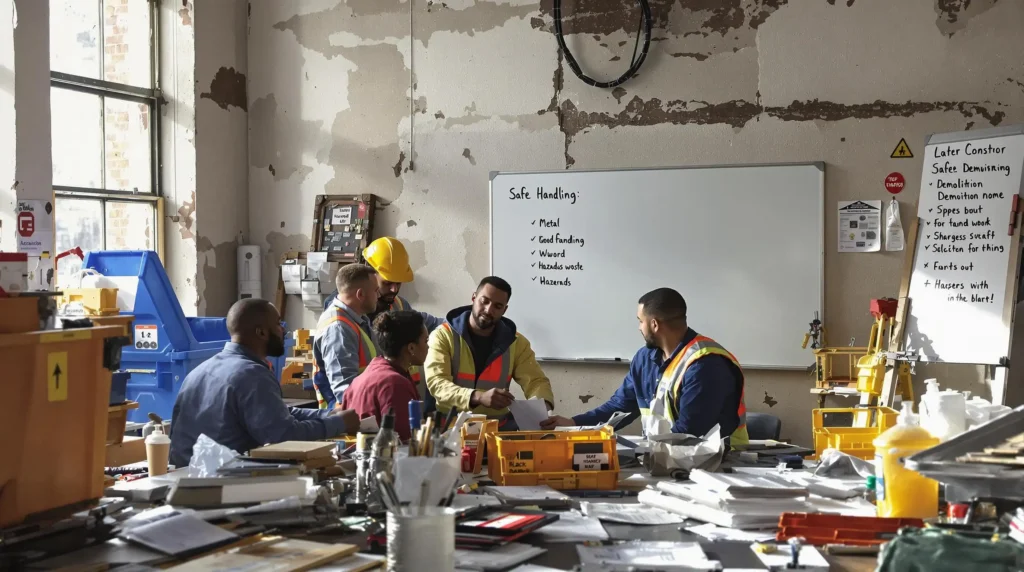
The U.S. Environmental Protection Agency emphasizes strict guidelines for debris management. Proper handling involves systematic sorting, containment, and transportation of different material types. Workers must utilize appropriate personal protective equipment and follow established safety procedures.
Key steps in safe debris removal include:
- Segregating materials by type (metals, wood, concrete, hazardous waste)
- Using appropriate containment methods
- Implementing dust control measures
- Securing transportation and disposal routes
Recycling and Disposal Strategies
The Connecticut Department of Energy & Environmental Protection recommends comprehensive recycling and responsible disposal strategies. Effective debris management goes beyond simple removal and focuses on maximizing resource recovery and minimizing environmental impact.
Successful debris removal requires a multifaceted approach that balances safety, efficiency, and environmental responsibility. By following systematic procedures and leveraging professional expertise, property owners can ensure smooth, compliant, and sustainable demolition waste management.
Professional teams must remain adaptable, using advanced techniques and technologies to address the unique challenges presented by each demolition project. Continuous training, rigorous safety protocols, and a commitment to environmental stewardship are essential in modern debris removal practices.
Proper Disposal and Recycling Options
Proper disposal and recycling of demolition debris represent critical components of sustainable waste management. Understanding the most effective strategies for handling different materials can significantly reduce environmental impact and contribute to resource conservation.
Waste Hierarchy and Recycling Strategies
Explore cost effective disposal methods for your demolition project to maximize efficiency and sustainability. The Connecticut Department of Energy & Environmental Protection emphasizes a structured waste management hierarchy that prioritizes source reduction and recycling over traditional disposal methods.
Key recycling strategies include:
- Material Segregation: Separating different types of debris to facilitate targeted recycling processes.
- Repurposing Components: Identifying salvageable materials for direct reuse in new construction or renovation projects.
- Specialized Processing: Transforming materials like concrete, metal, and wood into new products through advanced recycling techniques.
Economic and Environmental Benefits
According to the U.S. Environmental Protection Agency, recycling construction and demolition materials offers significant economic advantages. The 2016 Recycling Economic Information Report revealed that C&D material recycling created approximately 175,000 jobs in 2012, demonstrating the substantial economic potential of sustainable waste management practices.
Recycling demolition debris provides multiple benefits:
- Reduction of landfill waste
- Conservation of natural resources
- Decreased carbon emissions
- Creation of local economic opportunities
- Lowered material procurement costs for future construction projects
Advanced Disposal Techniques
The Connecticut Department of Energy & Environmental Protection promotes deconstruction as an innovative alternative to traditional demolition. This method involves carefully dismantling structures to maximize material salvage and minimize waste generation.
Advanced disposal techniques include:
- Grinding asphalt roofing shingles for road paving materials
- Using ground gypsum wallboard as agricultural soil amendment
- Transforming wood waste into mulch or biomass fuel
- Recycling metal components into new industrial products
To clarify the benefits of proper recycling and disposal, the following table summarizes key economic and environmental advantages discussed above.
This table highlights major benefits of recycling demolition debris as outlined in the article.
| Benefit | Description |
|---|---|
| Landfill Waste Reduction | Diverts debris from overcrowded landfills |
| Resource Conservation | Preserves natural raw materials |
| Lower Carbon Emissions | Reduces impact from manufacturing new goods |
| Economic Opportunity | Creates jobs and supports local businesses |
| Procurement Cost Savings | Lowers expenses for future construction |
Successful debris disposal requires a comprehensive approach that balances environmental responsibility, economic efficiency, and regulatory compliance. By implementing strategic recycling and disposal methods, property owners and contractors can significantly reduce the environmental footprint of demolition projects while generating potential economic benefits.
Professional waste management teams play a crucial role in implementing these advanced recycling strategies, ensuring that each demolition project contributes to a more sustainable and circular economy.
Choosing Reliable Same-Day Removal Services
Selecting a dependable debris removal service requires careful consideration of multiple factors. Homeowners and contractors must evaluate potential providers based on expertise, responsiveness, and compliance with local regulations.
Evaluating Service Credentials and Capabilities
Explore our comprehensive service offerings to understand the key attributes of professional debris removal. According to Connecticut’s Chapter 293 General Statutes, specific legal requirements govern demolition and excavation activities, making it crucial to choose a service with thorough understanding of local regulations.
Critical factors to consider when selecting a removal service include:
- Licensing and Insurance: Verify professional credentials and comprehensive insurance coverage
- Local Experience: Prioritize providers with proven expertise in Connecticut’s specific waste management landscape
- Equipment Capabilities: Assess the company’s ability to handle various debris types and project scales
Regulatory Compliance and Safety Standards
The Connecticut Department of Energy & Environmental Protection emphasizes the importance of selecting services that adhere to strict waste management protocols. Reliable removal services should demonstrate:
- Comprehensive understanding of state waste hierarchy guidelines
- Commitment to environmental sustainability
- Proper documentation and tracking of waste disposal
- Advanced sorting and recycling capabilities
Assessing Responsiveness and Same-Day Service Quality
Emergency and time-sensitive projects demand removal services that can respond quickly and efficiently. Key indicators of a reliable same-day service include:
- Rapid response times
- Clear communication channels
- Transparent pricing structures
- Flexible scheduling options
- Ability to handle unexpected project complexities
When evaluating potential debris removal services, property owners should request detailed quotes, check customer references, and verify the company’s track record of successful same-day removals. Professional services should offer comprehensive consultations, provide clear timelines, and demonstrate expertise in managing various demolition debris types.
Ultimately, the right removal service acts as a strategic partner, helping clients navigate the complex landscape of waste management while ensuring environmental responsibility, regulatory compliance, and efficient project completion. By carefully assessing potential providers against these comprehensive criteria, property owners can confidently select a debris removal service that meets their specific needs and exceeds their expectations.
Frequently Asked Questions
What types of demolition debris are commonly generated in Connecticut?
Demolition projects in Connecticut typically generate three main types of debris: structural materials (like concrete and steel), non-structural materials (such as drywall and fixtures), and hazardous components (including asbestos and lead paint). Understanding these categories is essential for proper disposal and recycling.
How can I safely remove demolition debris?
Safe debris removal involves conducting a thorough site assessment to identify hazardous materials, implementing strict handling protocols, and utilizing protective gear. It is crucial to segregate materials by type and follow established safety procedures throughout the removal process.
What are the environmental benefits of recycling demolition debris?
Recycling demolition debris has several environmental benefits, including reducing landfill waste, conserving natural resources, lower carbon emissions, and creating economic opportunities through job creation in recycling sectors. This approach contributes to sustainable waste management practices.
How do I choose a reliable debris removal service in Connecticut?
When selecting a debris removal service, consider factors like licensing and insurance, local experience with Connecticut regulations, and the company’s equipment capabilities. Additionally, assess their responsiveness, pricing transparency, and commitment to recycling and environmental standards.
Stress-Free Demolition Debris Removal Starts Here
Struggling with overwhelming piles of demolition debris after your Connecticut project? Managing heavy structural waste, separating hazardous materials, and finding responsible disposal options can quickly become a burden. The article highlighted how complex and time-consuming safe debris disposal and recycling can be, especially when you want to protect your property, reduce landfill waste, and stay compliant with local guidelines.
Put your worries aside and let professionals handle it from start to finish. As a family-owned local business, we understand the urgency of clearing debris quickly so your project stays on schedule and safe. With fast scheduling, transparent pricing, and a commitment to eco-friendly disposal, CM Carting Solutions is your trusted partner. Whether you need a quick dumpster rental or want our expert team to manage every step, we have you covered across Litchfield County. Do not let debris slow you down – request your fast online quote now and see how easy and affordable complete debris removal can be.