


Eco-friendly junk disposal is changing the way we think about waste. Most people picture junk removal as stuff ending up in a landfill, but that old idea is overdue for the trash heap. The truth is, recycling and composting municipal solid waste kept over 193 million metric tons of carbon dioxide equivalent out of the atmosphere in just one year, showing how powerful mindful junk disposal can be for the planet.
Table of Contents
- What Is Eco-Friendly Junk Disposal?
- Why Eco-Friendly Junk Disposal Matters For The Environment
- How Eco-Friendly Junk Disposal Works: Key Processes
- Key Concepts In Eco-Friendly Junk Disposal And Waste Management
Quick Summary
| Takeaway | Explanation |
|---|---|
| Prioritize eco-friendly disposal methods | Opt for strategies that minimize landfill waste and ecological impact. |
| Implement source separation | Carefully evaluate items for reuse, recycling, or proper disposal before processing. |
| Embrace resource recovery | Transform waste into valuable resources through recycling and repurposing efforts. |
| Understand the waste management hierarchy | Follow guidelines that rank waste strategies from reduction to disposal to maximize efficiency. |
| Support the circular economy | Engage in practices that allow materials to be continuously reused and recycled, reducing resource depletion. |
What is Eco-Friendly Junk Disposal?
Eco-friendly junk disposal represents a comprehensive approach to waste management that prioritizes environmental sustainability and responsible resource handling. Unlike traditional disposal methods that often result in landfill waste, this strategy focuses on minimizing ecological impact while maximizing potential reuse and recycling opportunities.
The Core Principles of Eco-Friendly Disposal
At its fundamental level, eco-friendly junk disposal involves strategic waste management techniques designed to reduce environmental harm. The primary objectives include:
- Minimizing Landfill Waste: Redirecting materials away from traditional dumping grounds
- Maximizing Resource Recovery: Identifying opportunities to repurpose or recycle items
- Reducing Carbon Footprint: Implementing disposal methods that generate minimal greenhouse gas emissions
Understanding these principles requires recognizing that not all waste is created equal. Different materials demand unique disposal strategies that consider their composition, potential for reuse, and environmental consequences.
Environmental Impact and Sustainable Practices
According to the U.S. Environmental Protection Agency’s waste management guidelines, eco-friendly junk disposal goes beyond simple waste elimination. It involves a holistic approach that examines the entire lifecycle of discarded materials. This means evaluating whether an item can be:
- Donated to local charities
- Recycled through specialized facilities
- Composted for organic materials
- Repurposed for alternative uses
- Professionally processed to extract valuable resources
By implementing these strategies, individuals and businesses can significantly reduce their environmental impact. Our detailed junk removal services in Litchfield, CT offer comprehensive solutions that align with these eco-friendly principles, ensuring responsible and sustainable waste management.
The ultimate goal of eco-friendly junk disposal is creating a circular economy where materials are continuously reused, recycled, or safely transformed, thereby minimizing waste and protecting our natural environment. This approach represents a critical shift from traditional linear consumption models toward more sustainable, regenerative waste management practices.
Why Eco-Friendly Junk Disposal Matters for the Environment
Eco-friendly junk disposal transcends mere waste management. It represents a critical environmental strategy with profound implications for planetary health, resource conservation, and sustainable living. Understanding its significance requires examining the intricate connections between waste disposal practices and broader ecological systems.
Environmental Consequences of Traditional Disposal Methods
Traditional waste disposal methods pose significant environmental challenges. Landfills and incineration generate substantial greenhouse gas emissions, contribute to soil and water contamination, and deplete natural resources. When materials are discarded without strategic consideration, they create long-lasting ecological disruptions.
This table highlights the main environmental consequences of traditional versus eco-friendly junk disposal methods for easy comparison.
| Method | Greenhouse Gas Emissions | Resource Conservation | Environmental Impact |
|---|---|---|---|
| Traditional Disposal | High (landfill/incineration) | Low | Soil/water contamination, habitat loss |
| Eco-Friendly Disposal | Low (recycling/composting) | High | Reduced pollution, habitat preservation |
Research from the U.S. Environmental Protection Agency reveals that proper waste management can dramatically reduce carbon emissions. For instance, recycling and composting municipal solid waste saved over 193 million metric tons of carbon dioxide equivalent in a single year.
Resource Conservation and Circular Economy
Eco-friendly junk disposal promotes a circular economy model that reimagines waste as a potential resource. Key environmental benefits include:
- Reducing Raw Material Extraction: Recycling materials decreases the need for virgin resource extraction
- Minimizing Energy Consumption: Reprocessing existing materials requires significantly less energy than creating new products
- Preserving Natural Habitats: Less waste means reduced environmental disruption from mining and manufacturing
Our local junk hauling services in Connecticut demonstrate how professional waste management can transform environmental impact. By strategically sorting, recycling, and responsibly disposing of materials, we can mitigate ecological damage and support sustainable community practices.
Ultimately, eco-friendly junk disposal is not just about managing waste. It represents a fundamental shift in how we interact with resources, emphasizing responsibility, conservation, and long-term environmental stewardship. Each conscientious disposal decision contributes to a larger narrative of environmental protection and sustainable development.
How Eco-Friendly Junk Disposal Works: Key Processes
Eco-friendly junk disposal represents a sophisticated, multifaceted approach to waste management that goes far beyond simple trash collection. By integrating advanced sorting, processing, and recycling techniques, this comprehensive system transforms potential waste into valuable resources.
Source Separation and Initial Assessment
The first critical stage of eco-friendly junk disposal involves meticulous source separation. Professional waste management teams carefully evaluate each item to determine its potential for reuse, recycling, or responsible disposal. This initial assessment considers multiple factors:
- Material Composition: Identifying specific materials like metals, plastics, electronics, or organic matter
- Condition and Recyclability: Assessing whether items can be directly reused or require processing
- Potential Environmental Impact: Evaluating the ecological consequences of different disposal methods
Advanced Processing and Resource Recovery
Once materials are sorted, specialized facilities employ sophisticated techniques to maximize resource recovery. According to the U.S. Environmental Protection Agency’s recycling guidelines, this process involves:
- Mechanical Separation: Using advanced technologies to separate different material types
- Material Purification: Cleaning and preparing recyclable materials for remanufacturing
- Energy Recovery: Converting non-recyclable materials into alternative energy sources
Our comprehensive junk removal process in Connecticut exemplifies these advanced waste management strategies. By leveraging cutting-edge technologies and environmental best practices, we ensure that each item is handled with maximum ecological responsibility.
Ultimately, eco-friendly junk disposal is a dynamic, intelligent system that transforms waste from an environmental liability into a potential resource. Through careful assessment, advanced processing, and commitment to sustainability, these processes represent a critical solution in our ongoing efforts to protect and preserve our natural environment.
Key Concepts in Eco-Friendly Junk Disposal and Waste Management
Eco-friendly junk disposal is a complex system rooted in strategic environmental principles that transform waste management from a linear process to a holistic, sustainable approach. Understanding its fundamental concepts requires examining the intricate relationship between resource conservation, environmental protection, and responsible waste handling.
Waste Management Hierarchy
The foundational framework of eco-friendly junk disposal is the waste management hierarchy, a strategic approach that prioritizes waste reduction and resource conservation. According to the U.S. Environmental Protection Agency’s recycling guidelines, this hierarchy ranks waste management strategies from most to least environmentally preferred:
Below is a breakdown of the Waste Management Hierarchy, summarizing each stage and its environmental focus for quick reference.
| Stage | Description | Environmental Focus |
|---|---|---|
| Source Reduction | Minimizing waste generation at its origin | Prevents waste before it is created |
| Reuse | Finding alternative purposes for existing materials | Extends product lifespan |
| Recycling | Processing materials to create new products | Conserves resources and energy |
| Energy Recovery | Converting non-recyclable materials into energy | Reduces landfill use, generates energy |
| Disposal | Final waste management through landfilling or incineration | Last resort, highest environmental impact |
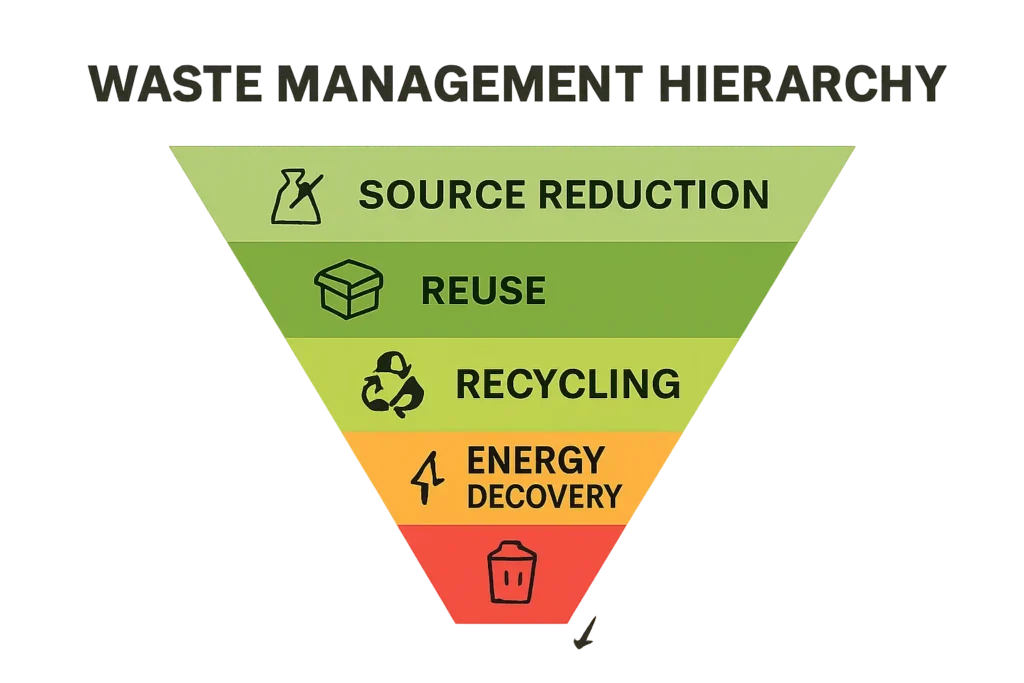
- Source Reduction: Minimizing waste generation at its origin
- Reuse: Finding alternative purposes for existing materials
- Recycling: Processing materials to create new products
- Energy Recovery: Converting non-recyclable materials into energy
- Disposal: Final waste management through landfilling or incineration
Resource Recovery and Circular Economy
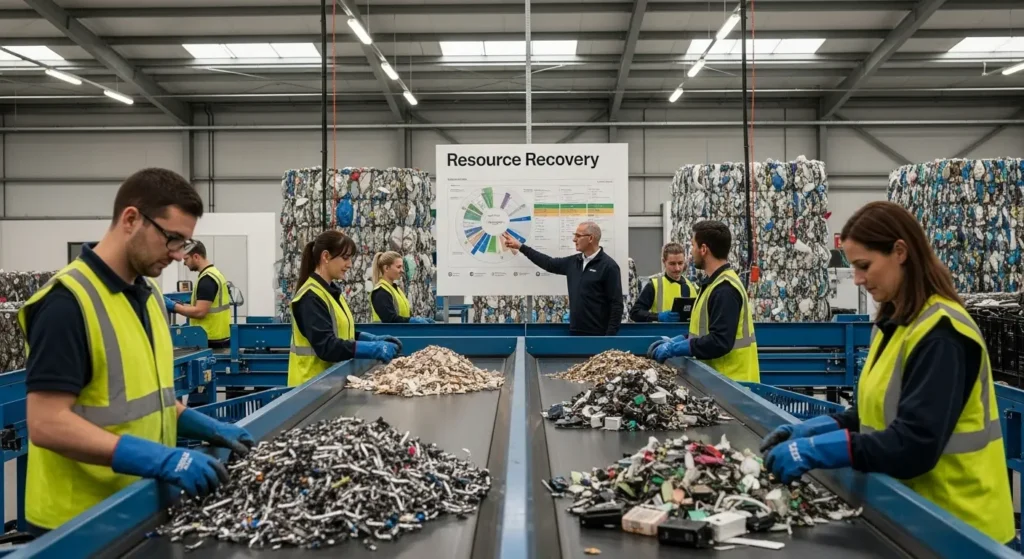
Central to eco-friendly junk disposal is the concept of resource recovery, which reimagines waste as a potential resource rather than a problem to be eliminated. This approach emphasizes:
- Material Transformation: Converting waste into new products or raw materials
- Energy Generation: Extracting potential energy from non-recyclable waste
- Economic Value: Creating economic opportunities through waste processing
Our local trash versus junk removal strategies in Connecticut demonstrate how professional waste management can implement these advanced concepts, turning potential environmental challenges into sustainable solutions.
Ultimately, eco-friendly junk disposal is more than a technical process. It represents a fundamental shift in how we perceive and interact with resources, emphasizing environmental stewardship, economic efficiency, and long-term sustainability. By understanding and implementing these key concepts, we can transform waste from an environmental liability into a valuable resource for our communities.
Make Eco-Friendly Junk Disposal Easy in Litchfield County
If the thought of overflowing landfills or wasted resources worries you, you are not alone. Many people are looking for sustainable ways to declutter that do not harm the environment. This article explained how eco-friendly junk disposal focuses on resource recovery, recycling, and reducing your carbon footprint. The thought of sorting and managing all types of materials can feel overwhelming, especially when time and convenience matter most.
Take the stress out of sustainable waste management by working with a team that shares your values. C&M Carting Solutions uses the same eco-friendly principles described in the guide. Whether you need help with junk removal services in Litchfield, CT or want a smooth junk removal process in Connecticut, we handle every item responsibly and safely. Act now to create a greener space for your home or business. Get your custom quote today at https://cmcartingsolutions.com/get-a-quote/.
Frequently Asked Questions
What is eco-friendly junk disposal?
Eco-friendly junk disposal is a sustainable approach to waste management that focuses on minimizing environmental impact through responsible resource handling, recycling, and waste reduction.
Why is eco-friendly junk disposal important for the environment?
It is crucial because it reduces landfill waste, decreases greenhouse gas emissions, conserves resources, and promotes a circular economy, which helps protect natural habitats and ecosystems.
How does the eco-friendly junk disposal process work?
The process involves source separation, where materials are evaluated for reuse or recycling, followed by advanced processing techniques that maximize resource recovery and minimize environmental impact.
What are the benefits of the circular economy in waste management?
The circular economy in waste management promotes recycling and reusing materials, reducing the need for raw material extraction, conserving energy, and ultimately leading to less environmental disruption.
Recommended
- Garage Junk Removal Tips for Connecticut Homes 2025 – C&M Carting Solutions
- Top Yard Debris Removal Tips for Connecticut in 2025 – C&M Carting Solutions
- What’s The Cheapest Way to Get Rid of Junk?
- Yard Debris Disposal in Connecticut | Easy 2025 Guide
- Top Closet Cleanout Tips for Busy Homes in 2025 – BLUSHBEES USA