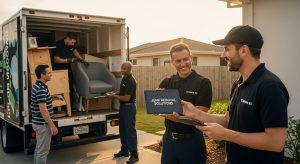


Emergency junk removal usually sounds like chaos and last-minute stress. Yet, did you know that the Environmental Protection Agency specifies entirely separate rules for dangerous items like batteries and chemicals, meaning these cannot go in with your everyday trash. Most people ignore this, then get blindsided by hidden legal risks or delayed pickups no one warned them about. Planning out your junk removal step by step actually turns a frantic problem into a controlled process, saving time, money, and future headaches.
Table of Contents
- Step 1: Evaluate Your Junk And Prioritize Removal
- Step 2: Identify Local Junk Removal Services
- Step 3: Contact Services And Request Same-Day Quotes
- Step 4: Prepare Your Space For Efficient Removal
- Step 5: Confirm Service And Finalize Logistics
- Step 6: Verify Completion And Assess Area
Quick Summary
| Key Point | Explanation |
|---|---|
| 1. Evaluate and categorize junk items | Survey all junk thoroughly and classify into groups: immediate removal, donation, and specialized disposal for efficient handling. |
| 2. Research local junk removal services | Investigate local services’ credentials and capabilities to ensure they can handle your specific junk types safely and legally. |
| 3. Prepare your space for removal | Clear paths and create staging areas for removal teams to work efficiently, avoiding obstacles that could slow down the process. |
| 4. Confirm logistics and service details | Verify service specifics like arrival time, team size, and costs through a final confirmation call to avoid confusion on removal day. |
| 5. Inspect and document completion | After removal, check the area for completeness, document with photos, and address any issues before the removal team leaves for resolution. |
Step 1: Evaluate Your Junk and Prioritize Removal
Tackling emergency junk removal requires a strategic approach that starts with thorough evaluation. Before diving into disposal, you need to understand exactly what you’re dealing with and create a systematic plan for efficient removal. This critical first step determines how smoothly your entire junk removal process will unfold.
Begin by conducting a comprehensive survey of the items needing removal. Walk through your space methodically and categorize everything into clear groups. Hazardous materials, heavy furniture, electronic waste, and general debris each require different handling protocols. Pay special attention to items that might pose safety risks or require specialized disposal techniques.
Sort your items into three primary categories: immediate removal, potential donation, and specialized disposal. For immediate removal items, look for signs of significant damage, contamination, or potential health hazards. Heavy furniture with structural damage, broken appliances leaking fluids, or items infested with pests should be prioritized. Learn more about systematic junk sorting to streamline your process.
The Environmental Protection Agency recommends separating different types of waste to ensure proper handling. Electronic waste, construction debris, and household hazardous waste need specific disposal methods. Dangerous items like batteries, chemicals, and certain electronics cannot be mixed with regular trash. Take photographs of complex or potentially valuable items to help professionals assess removal requirements.
If you’re dealing with large quantities or complex removal scenarios, consider creating a basic inventory spreadsheet. Document item type, estimated weight, potential disposal method, and any special handling instructions. This documentation becomes invaluable when communicating with professional junk removal services and helps prevent unexpected complications during the removal process.
Final verification involves confirming you’ve accurately identified all items, separated them appropriately, and prepared documentation. Your goal is a clear, organized approach that transforms an overwhelming junk removal task into a manageable project. By investing time in thorough evaluation, you set the stage for a swift, efficient, and stress free disposal experience.
Step 2: Identify Local Junk Removal Services
Identifying the right junk removal service is crucial for efficiently and safely disposing of your accumulated items. This step transforms your preliminary evaluation into actionable solutions by connecting you with professional services equipped to handle your specific removal needs.
Start by researching local waste management companies that specialize in comprehensive junk removal. Not all services are created equal, so investigate their capabilities, licensing, and experience with different types of debris. Local government websites, chamber of commerce listings, and online business directories can provide initial leads. Explore our comprehensive guide to local hauling services to understand what makes a quality removal service.
According to FEMA’s disaster debris management guidelines, it’s critical to verify a service’s credentials and understanding of proper waste categorization. Pay special attention to companies that can handle multiple waste types, including hazardous materials, electronic waste, and large furniture. Contact potential services directly to discuss your specific inventory, asking pointed questions about their removal processes, disposal methods, and pricing structures.
Evaluate each potential service through multiple lenses. Check online reviews, request detailed quotes, and confirm they carry appropriate insurance and local permits. Some key factors to consider include response time, availability for emergency removals, recycling practices, and transparent pricing. Specialized services might cost more but can save significant time and potential legal complications when dealing with complex waste items.
Create a shortlist of 3-5 reputable services and request on-site assessments if possible. This allows professionals to see the exact scope of your junk removal needs and provide more accurate estimates. During these consultations, discuss any unique challenges like restricted access, heavy items, or potential hazardous materials that might require special handling.
Final verification involves confirming the service’s ability to meet your specific removal requirements, understanding their complete pricing structure, and checking their availability to match your timeline. By methodically researching and vetting local junk removal services, you transform a potentially overwhelming task into a streamlined, professional solution.
Step 3: Contact Services and Request Same-Day Quotes
Contacting junk removal services and securing same-day quotes requires strategic communication and preparation. This critical step transforms your research into concrete action, ensuring you can quickly clear out unwanted items with minimal disruption to your daily routine.
Prepare a comprehensive summary of your junk removal needs before making initial contact. Gather precise details about item types, quantities, and potential access challenges that might impact removal. Take clear photographs of the items and measure larger pieces to provide accurate information. Digital documentation helps service providers give more precise estimates and prepare appropriate equipment.
According to Federal Trade Commission guidelines, obtaining multiple written estimates is crucial. When calling potential services, request detailed quotes that specify total cost, estimated arrival time, and specific handling procedures for different item categories. Be direct about your need for same-day service and ask about their current availability. Check out our comprehensive service overview to understand what professional removal entails.
Develop a systematic approach to gathering quotes. Create a comparison spreadsheet tracking each service’s response time, pricing, removal capabilities, and available time slots. Pay attention to additional fees for specialty items, potential recycling charges, or extra labor costs for difficult-to-access locations. Some services might offer instant online quotes, while others require an on-site assessment.
During your conversations, ask specific questions about their waste disposal practices. Confirm they can handle hazardous materials, electronics, or large furniture items you’ve identified. Request proof of licensing and insurance, and inquire about their recycling and donation policies. Professional services should readily provide this information and demonstrate transparency.
Final verification involves confirming the most suitable service based on comprehensive criteria beyond just price. Ensure the chosen provider can meet your specific removal timeline, handle all identified items, and provides a clear, written estimate. By methodically comparing services and asking targeted questions, you transform a potentially stressful junk removal task into a smooth, efficient process.

Step 4: Prepare Your Space for Efficient Removal
Preparing your space for junk removal is a critical step that can dramatically reduce stress and streamline the entire process. This stage transforms your cluttered area into an organized, accessible environment that enables removal professionals to work quickly and efficiently.
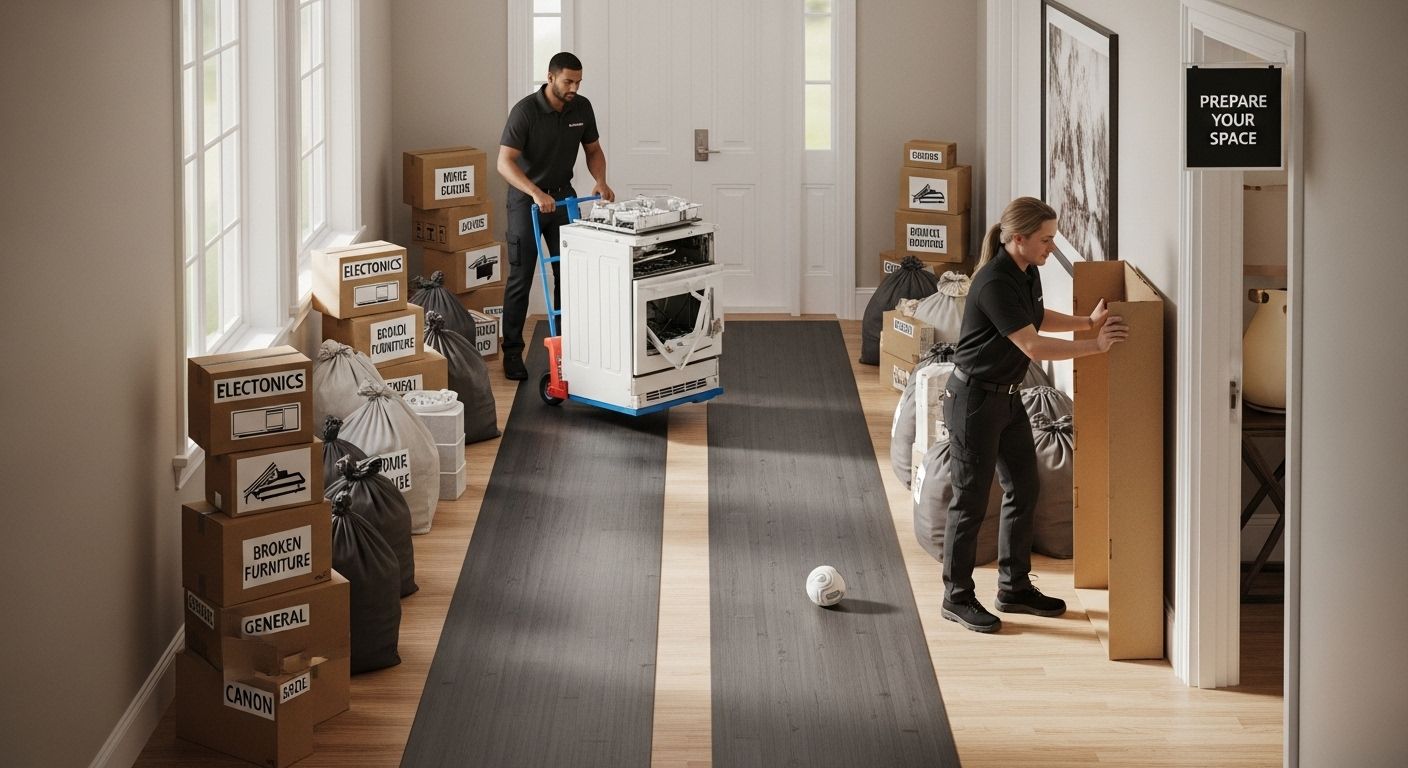
Create clear pathways and staging areas before the removal team arrives. Walk through your space and identify potential obstacles like furniture, rugs, or decorative items that might impede access to junk items. Learn more about strategic apartment cleanout techniques to maximize your space preparation efficiency. Temporarily relocate smaller items and ensure there’s sufficient room for workers to maneuver large pieces of furniture or bulky debris.
According to FEMA’s debris management guidelines, separating items by type significantly speeds up the removal process. Group similar items together and consider creating distinct zones for different categories such as electronics, furniture, construction materials, and general waste. Protect your flooring and walls by laying down protective coverings or cardboard in high-traffic areas where removal teams will be moving items.
Prioritize safety by disconnecting and preparing large appliances for removal. Unplug electronics, drain water from washing machines and refrigerators, and remove any loose components. If you have heavy items like old appliances, prepare them for easy extraction by clearing surrounding areas and ensuring clear paths to exits. Consider disassembling larger furniture pieces that might be challenging to move intact, which can help reduce potential damage and speed up the removal process.
Ensure all hazardous materials are properly identified and separated. Clearly mark or set aside items that require special handling, such as paint cans, batteries, or chemical containers. This helps removal professionals quickly identify and manage potentially dangerous materials safely. Take photographs of your prepared space and items to document their condition before removal, which can be useful for insurance or record-keeping purposes.
Final verification involves confirming that your space is fully prepared. Check that all pathways are clear, items are grouped logically, and potential obstacles have been removed. By methodically preparing your space, you transform a potentially chaotic junk removal experience into a smooth, organized operation that respects both your property and the removal team’s efficiency.
Step 5: Confirm Service and Finalize Logistics
Confirming service details and finalizing logistics represents the critical bridge between planning and actual junk removal. This step ensures that all expectations are aligned, potential complications are addressed, and your removal process moves forward smoothly and professionally.
Initiate a comprehensive confirmation call with your selected junk removal service at least 24 hours before the scheduled removal. Discuss specific logistics including exact arrival time, number of team members, anticipated duration of service, and any special requirements for handling specific items. Learn more about precise service coordination to understand the nuances of professional removal preparation.
According to Federal Trade Commission guidelines, obtaining a written contract is crucial. Request a detailed written agreement that specifies the complete scope of work, total cost, estimated start and completion times, and specific terms of service. Verify the service’s licensing number, insurance coverage, and contact information. Confirm payment methods, discuss any potential additional fees, and understand the cancellation or rescheduling policy.
Prepare a final walkthrough of your space immediately before the removal team’s arrival. Double-check that all items are appropriately staged, pathways are clear, and any special instructions are clearly marked. If you have unique or potentially challenging items, communicate these details again to ensure the team comes prepared with appropriate equipment and personnel. Take time to highlight any fragile items, valuable pieces that require careful handling, or areas with potential access restrictions.
Ensure you have all necessary documentation ready. This includes your signed service agreement, any inventory lists you’ve created, and contact information for both yourself and the removal service. Keep your phone charged and accessible in case the team needs to communicate any last-minute details or encounters unexpected challenges during the removal process.
Final verification involves confirming all logistical details, having your space fully prepared, and maintaining clear communication channels. By methodically addressing these final preparation steps, you transform a potentially stressful junk removal experience into a streamlined, professional service that respects your time, property, and specific removal needs.
Step 6: Verify Completion and Assess Area
Verifying the completion of your junk removal project is a critical final step that ensures you’ve received the service you expected and your space is truly clear and ready for its next purpose. This comprehensive assessment protects your investment and provides closure to the entire removal process.
Conduct a thorough immediate inspection as soon as the removal team completes their work. Walk through the entire area systematically, checking every corner and previously cluttered space to confirm all targeted items have been removed. Learn more about post-removal property assessment to understand what a complete and professional cleanup should look like. Look for any accidentally missed items, potential damage to surrounding areas, or unexpected issues that might have occurred during the removal process.
According to FEMA’s debris removal guidelines, comprehensive documentation is crucial. Take detailed photographs of the cleared space from multiple angles to create a visual record of the completed work. These images serve multiple purposes: they provide proof of service completion, document the condition of your space after removal, and create a reference point in case you need to discuss any concerns with the service provider.
Ensure you review and sign all necessary documentation before the removal team departs. Carefully examine the final invoice, confirming that the charges match the original estimate and that all agreed-upon services have been performed. If any discrepancies exist, address them immediately while the team is still present. Verify that all hazardous materials were appropriately handled and that the area has been left clean and ready for its next use.
Pay special attention to potential subtle signs of incomplete work. Check floors for remaining debris, inspect walls for any scuff marks or damage, and ensure that all access points like doorways and hallways have been properly cleared. If you notice any issues, document them immediately and contact the service provider to discuss resolution. Most professional junk removal services stand behind their work and will address any legitimate concerns.
Final verification involves confirming that every aspect of your removal project meets your expectations. By methodically assessing the completed work, you ensure a successful junk removal experience that leaves your space clean, organized, and ready for its next chapter.
Take Control of Your Emergency Junk Removal in Litchfield County
Struggling with overwhelming clutter or sudden junk removal needs? The process can be stressful, especially when safety, timelines, and specialized disposal are involved. As highlighted in this article, sorting hazardous materials, finding trustworthy services, and getting same-day quotes all add layers of urgency and complexity. Your time is valuable and waiting isn’t an option when every minute counts during emergencies.
Let CM Carting Solutions make your next step effortless. Use our simple online quote request to connect with a dedicated local team that specializes in fast, safe, and thorough junk removal for homes and businesses. Whether you need help organizing your space, preparing items for pickup, or coordinating same-day disposal, our service overview has you covered. Don’t let clutter disrupt your life a moment longer. Visit CM Carting Solutions today and experience why so many in Litchfield County trust us for emergency junk removal. Your clean, clutter-free space is just one action away.
Frequently Asked Questions
What are the initial steps for emergency junk removal?
The initial steps include evaluating your junk, categorizing items for removal, and understanding disposal requirements for different types of waste. It’s important to separate hazardous materials and prioritize immediate removal items based on safety risks.
How can I find reliable local junk removal services?
To find reliable services, research local waste management companies, verify their credentials, and compare their capabilities in handling various types of debris. Reading online reviews and requesting on-site assessments can also help you choose the right service.
What information should I prepare when requesting quotes from junk removal services?
When requesting quotes, prepare a summary of your junk removal needs that includes item types, quantities, and photographs. This will help service providers give accurate estimates and prepare for any special handling requirements.
What should I do to prepare my space for junk removal?
Prepare your space by creating clear pathways, grouping items by type, disconnecting appliances, and marking hazardous materials. A well-prepared space helps ensure that the removal process is efficient and minimizes potential damage to your property.
Recommended
- Top Junk Hauling Service Types in Connecticut 2025 – C&M Carting Solutions
- Landlord Junk Removal Solutions in 2025: Fast and Reliable Services – C&M Carting Solutions
- Junk Hauling Services Explained: What Connecticut Clients Need (2025) – C&M Carting Solutions
- Junk Removal Basics: Easy Guide for Connecticut in 2025 – C&M Carting Solutions