

Getting rid of unwanted clutter can turn even the neatest home or business into chaos. And yet, Americans throw away a staggering over 290 million tons of solid waste every single year. The real surprise is that much of what fills up those landfills could have been recycled, donated, or put to better use if just a little planning happened first.
Table of Contents
- Effective Planning Before Junk Removal
- Sorting, Recycling, and Donating Items
- Safe and Efficient Junk Disposal Methods
- Choosing the Right Junk Removal Service
Quick Summary
| Takeaway | Explanation |
|---|---|
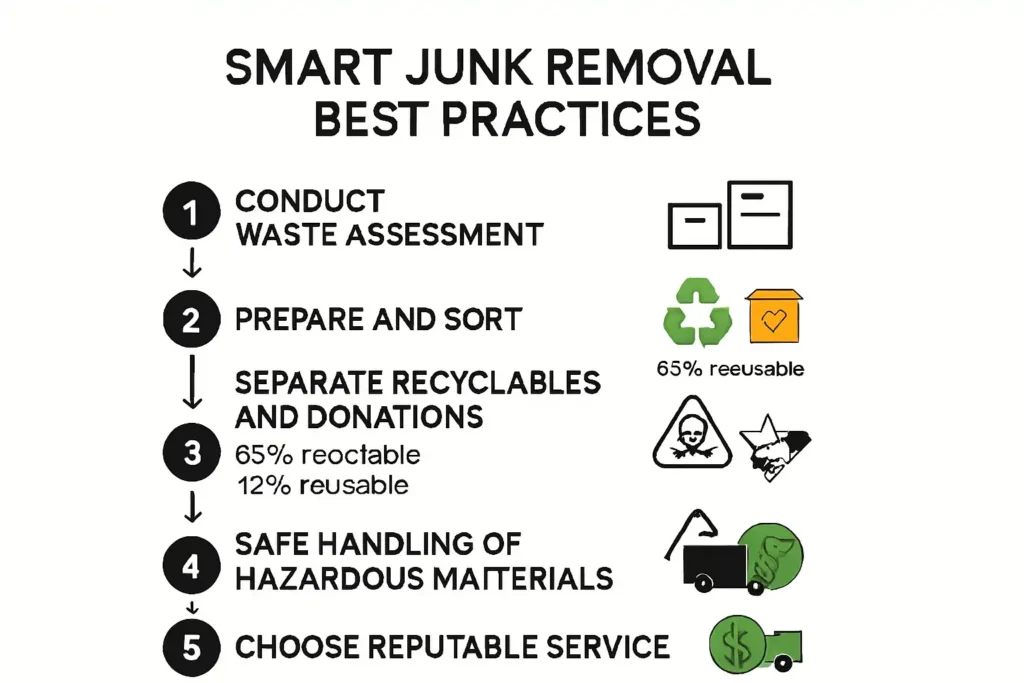
| Conduct a thorough waste assessment. | Understand what items need removal by categorizing them as recyclables, donations, hazardous materials, or true junk for efficient planning. |
| Prepare logistics for efficient removal. | Clear pathways and secure parking for removal trucks; coordinate responsibilities to facilitate a smooth process on removal day. |
| Sort materials effectively for recycling. | Segregate items into clear categories like recyclables and donations, ensuring maximum resource recovery and responsible disposal. |
| Choose a reputable junk removal service. | Evaluate credentials, customer reviews, and environmental practices to select a qualified service that supports sustainable waste management. |
| Prioritize safety and compliance. | Be aware of local regulations for special materials to ensure disposal methods are safe and meet legal requirements. |
Effective Planning Before Junk Removal
Successful junk removal starts long before the first item gets hauled away. Effective planning transforms what could be a chaotic cleanup into a streamlined, efficient process for both homes and businesses. Strategic preparation not only saves time and money but also reduces stress and potential complications during the removal process.
Conduct a Comprehensive Waste Assessment
Before diving into junk removal, a thorough assessment is crucial. According to the U.S. Environmental Protection Agency, forming a dedicated team to oversee waste reduction efforts can significantly improve outcomes. For homeowners and business managers, this means taking a systematic approach to inventory your unwanted items.
Start by walking through each space and categorizing items into clear groups: recyclables, donations, hazardous materials, and true junk. Create a detailed list or spreadsheet documenting the types and quantities of items you plan to remove. This inventory helps you understand the scope of your project and allows removal services to provide more accurate quotes. Pay special attention to potentially problematic items like electronics, chemicals, or large furniture pieces that require special handling.
Prepare for Efficient Removal
Preparation goes beyond just making a list. As emergency management experts recommend, establishing clear responsibilities and understanding logistics before the actual removal day can dramatically improve the process. For residential clients, this means clearing pathways, separating items, and ensuring easy access for removal teams. Business owners should coordinate with department heads to minimize disruption and create a staged removal plan.
Consider practical logistics like parking for removal trucks, potential time constraints, and any site-specific challenges. If you have specific apartment or commercial space challenges, our guide on cleanout strategies can help you navigate complex removal scenarios.
Key preparation steps include:
- Securing necessary permits for large removals
- Identifying potential donation or recycling destinations
- Protecting floors and walls during item removal
- Ensuring fragile or valuable items are properly handled
Below is a table summarizing the recommended steps for preparing for efficient junk removal, making it easy to track what needs to be done before removal day:
| Preparation Step | Description |
|---|---|
| Secure permits | Obtain any needed removal or parking permits for large cleanouts |
| Identify donation/recycling destinations | Find local charities or recycling centers for applicable items |
| Protect floors and walls | Use coverings or padding to protect building interiors during removal |
| Ensure clear pathways | Move obstacles and create easy access for removal teams and equipment |
| Separate items | Group items by category (donations, recyclables, true junk, hazardous) for easy removal |
| Handle fragile/valuable items specially | Take care to pack or prepare these items to avoid damage |
Safety and Compliance Considerations
Junk removal isn’t just about clearing space it’s about doing so responsibly. Different materials require different disposal methods. Hazardous waste like paint, chemicals, or electronic equipment cannot be mixed with regular trash. Some items may need special handling or specific recycling protocols.
Research local regulations regarding waste disposal. Some municipalities have strict guidelines about what can be discarded and how. For businesses, compliance isn’t just recommended it’s often legally required. Document your waste stream and ensure you’re following all local and state regulations regarding disposal.
By investing time in thoughtful planning, you transform junk removal from a potential headache into a smooth, efficient process. The key is preparation, organization, and a strategic approach that considers logistics, safety, and environmental responsibility.
Sorting, Recycling, and Donating Items
Transforming unwanted items from potential waste into valuable resources requires strategic sorting, recycling, and donation practices. This approach not only reduces environmental impact but also provides economic and social benefits for communities and individuals alike.
Effective Material Sorting Strategies
Sorting items is the critical first step in responsible junk removal. According to the U.S. Environmental Protection Agency, proper material segregation is fundamental to effective recycling processes. Begin by creating distinct categories: recyclables, donations, hazardous waste, and true garbage.
For recyclables, separate materials into clear groups:
- Paper and Cardboard: Clean, dry paper products
- Plastics: Sorted by resin type and cleanliness
- Metals: Aluminum, steel, copper sorted separately
- Electronics: Requiring specialized electronic waste processing
The following table summarizes the main categories of junk typically sorted during removal, with examples and special considerations for each. This makes it easier to distinguish proper handling for each category:
| Category | Example Items | Special Considerations |
|---|---|---|
| Recyclables | Paper, cardboard, plastics, metals | Must be clean and sorted by material type |
| Donations | Furniture, clothing, appliances | Check functionality and cleanliness |
| Hazardous Waste | Paint, chemicals, batteries, e-waste | Requires special disposal procedures |
| True Garbage | Broken, unusable, non-recyclable items | Bag and prepare for landfill disposal |
Careful sorting ensures maximum resource recovery and minimizes environmental contamination. Learn more about our comprehensive recycling process to understand how professional services handle different material streams.
Donation and Reuse Opportunities
Many items deemed as “junk” still hold significant value for others. Furniture, clothing, working appliances, and building materials can find new life through donation channels. Local charities, community centers, shelters, and secondhand stores often welcome gently used items.
Before donating, conduct a thorough assessment:
- Check items for functionality and cleanliness
- Ensure electronic devices are reset to factory settings
- Wash and repair clothing when possible
- Verify donation center acceptance criteria
Donation not only supports community members in need but also reduces waste volume and provides potential tax benefits for individuals and businesses.
Responsible Disposal of Challenging Materials
Some items require specialized handling due to environmental or safety concerns. Hazardous materials like paint, chemicals, batteries, and electronic waste cannot be mixed with regular trash or standard recycling streams.
Specialized disposal considerations include:
- Chemical waste requiring professional treatment
- Electronic devices needing certified e-waste recycling
- Construction materials with potential contamination
- Medical or pharmaceutical waste with strict regulatory guidelines
Consult local waste management authorities or professional junk removal services to ensure compliance with environmental regulations. Our renovation debris recycling guide offers detailed insights into handling complex waste streams.
By approaching junk removal with a thoughtful, systematic strategy of sorting, recycling, and donating, you transform potential waste into opportunities for community support and environmental conservation. Each conscientious decision contributes to a more sustainable waste management ecosystem.
Safe and Efficient Junk Disposal Methods
Effective junk disposal requires more than simply removing unwanted items. It demands a strategic approach that prioritizes safety, efficiency, and environmental responsibility. Understanding the right methods can transform a potentially complex task into a smooth, manageable process for both residential and commercial clients.
Professional Removal Techniques
Professional junk removal goes far beyond basic hauling. It involves carefully planned strategies that minimize risk and maximize efficiency. Research from waste management experts indicates that systematic approaches can reduce potential hazards and environmental impact.
Key professional removal techniques include:
- Utilizing specialized equipment for heavy or awkward items
- Implementing proper lifting techniques to prevent personal injury
- Using protective gear and safety protocols
- Employing strategic loading methods to maximize truck space
Professional teams understand how to navigate challenging spaces, protect property during removal, and ensure safe transportation of various materials. Learn more about our comprehensive removal process to understand the nuanced approach required for different types of junk.
Hazardous Material Handling
Certain items require specialized disposal methods to prevent environmental contamination and potential health risks. Hazardous materials demand exceptional care and expertise. According to the Occupational Safety and Health Administration, proper handling of potentially dangerous materials is critical to workplace and environmental safety.
Hazardous materials requiring special consideration include:
- Chemical waste
- Electronic equipment
- Paint and solvents
- Batteries
- Medical waste
- Automotive fluids
Each category demands unique disposal protocols. Chemical waste might require neutralization, while electronic equipment needs certified e-waste recycling. Professional junk removal services have the knowledge and resources to manage these complex disposal challenges safely and legally.
Eco-Friendly Disposal Strategies
Modern junk removal extends beyond simple disposal. Environmentally conscious approaches focus on minimizing waste and maximizing resource recovery. This means prioritizing recycling, donation, and responsible disposal methods that reduce environmental impact.
Strategies for eco-friendly disposal include:
- Identifying recyclable materials
- Partnering with local donation centers
- Utilizing specialized recycling facilities
- Implementing waste-to-energy technologies
- Tracking and documenting disposal processes
By choosing methods that prioritize sustainability, property owners can significantly reduce their environmental footprint. Each ton of material diverted from landfills represents a meaningful contribution to environmental conservation.
Safe and efficient junk disposal is a complex process that requires expertise, careful planning, and a commitment to environmental responsibility. Whether handling a small residential cleanup or a large commercial project, the right approach can transform potential waste into an opportunity for community support and ecological stewardship.
Choosing the Right Junk Removal Service
Selecting the appropriate junk removal service can significantly impact the efficiency, cost, and environmental responsibility of your waste management project. The right service transforms a potentially stressful experience into a seamless, professional process that meets your specific needs.
Evaluating Credentials and Reputation
Before engaging any junk removal service, comprehensive research is essential. According to Forbes Home, critical factors include assessing the company’s reputation, customer reviews, and liability insurance. Professional credentials demonstrate a company’s commitment to quality and reliability.
Key evaluation criteria include:
- Valid business licensing
- Comprehensive insurance coverage
- Positive customer testimonials
- Years of operational experience
- Specialized training certifications
Look for companies with transparent business practices and a proven track record of professional service. Explore our comprehensive junk removal basics to understand what separates top-tier services from average providers.
Understanding Service Scope and Pricing
Angi’s professional recommendations emphasize the importance of obtaining multiple quotes to comprehend pricing structures and service capabilities. A reputable junk removal service should offer clear, upfront pricing without hidden fees.
Consider the following pricing and service considerations:
- Transparent cost estimation
- Itemized service breakdowns
- Flexible scheduling options
- Comprehensive removal capabilities
- Eco-friendly disposal practices
- Additional services like cleanup or special item handling
Request detailed quotes that outline exactly what services are included. Be wary of estimates that seem significantly lower than market rates, as they might indicate compromised service quality or potential hidden charges.
Environmental Responsibility and Disposal Practices
The most effective junk removal services prioritize environmental sustainability. According to Maryland Total Junk Removal, responsible companies focus on minimizing landfill waste through strategic recycling, donation, and proper material processing.
Prioritize services that demonstrate:
- Comprehensive recycling programs
- Partnerships with local donation centers
- Transparent waste management protocols
- Commitment to reducing environmental impact
- Specialized handling for hazardous materials
A truly professional junk removal service views each project as an opportunity to support community sustainability, not just a transaction. Their approach should balance efficiency with environmental consciousness.
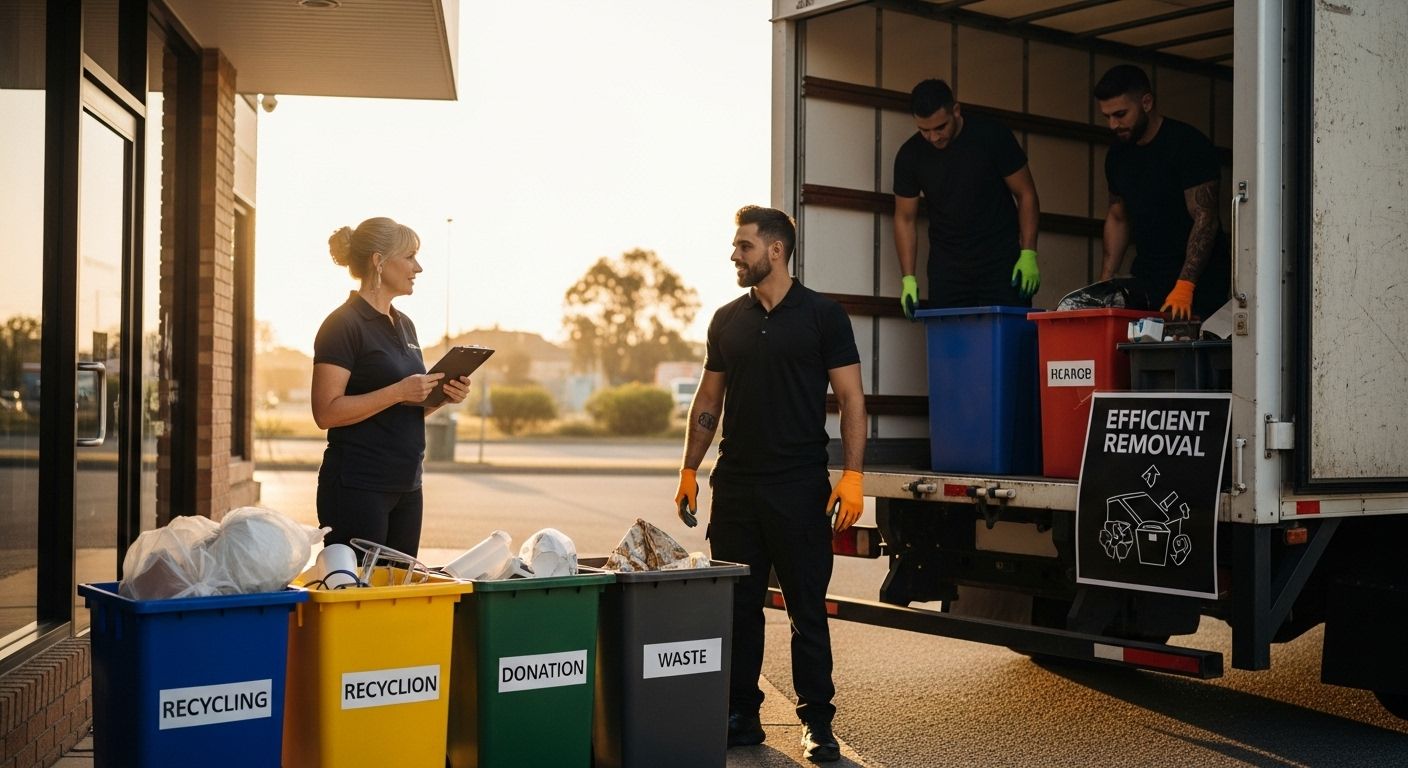
Choosing the right junk removal service requires careful consideration of multiple factors. By prioritizing professionalism, transparency, and environmental responsibility, you can ensure a smooth, efficient, and responsible waste management experience that meets your specific needs.
Frequently Asked Questions
What steps should I take before beginning a junk removal process?
Conduct a comprehensive waste assessment by categorizing items into recyclables, donations, hazardous materials, and true junk. Prepare for efficient removal by ensuring clear pathways and securing necessary permits.
How can I ensure responsible disposal of hazardous materials during junk removal?
Hazardous materials such as chemicals, batteries, and electronics require special handling. Research local regulations and consult professional junk removal services to ensure compliance with proper disposal procedures.
What are the best practices for sorting items before junk removal?
Sort items into distinct categories: recyclables, donations, hazardous waste, and true garbage. Ensure materials are clean and appropriately grouped to facilitate efficient processing and disposal.
How do I choose a reputable junk removal service?
Evaluate the company’s credentials, customer reviews, and environmental practices. Look for valid licensing, insurance coverage, and a demonstrated commitment to sustainability and responsible disposal methods.
Take the Stress Out of Junk Removal—Get Expert Help in Connecticut
Sorting and removing unwanted items can feel overwhelming, especially when you worry about compliance, safety, and handling special materials. Whether you are planning a full property cleanout or simply want to reclaim valuable space, you should not have to face confusion over recycling, hazardous waste, or donation logistics. The article recommends a thorough waste assessment, detailed preparation, and proper sorting—all necessary but time-consuming steps that can quickly escalate into headaches for busy homeowners and businesses.
Let our local, family-owned team turn best practices into a smooth, worry-free experience for you. At CM Carting Solutions, we take care of everything: from clear pathways and responsible sorting to eco-friendly disposal and donation partnerships. Our reliable service saves you time, follows all safety and environmental guidelines, and delivers peace of mind. Ready to make junk removal easy and stress-free? Request your free quote now and get expert help that puts your safety and satisfaction first. For more detailed tips on effective planning, check out our latest advice on junk removal basics.