

Dumpster rental might seem like a simple way to get rid of unwanted junk or construction debris. Yet, most people are surprised to learn that rental periods typically last between 7 and 14 days, giving you far more flexibility than your weekly trash pickup. This service actually does more than just haul away garbage because the most overlooked benefit is how it helps you organize a safer, cleaner space while offering cost savings you probably never thought about.
Table of Contents
- What Is Dumpster Rental And Its Purpose?
- Why Dumpster Rental Matters For Homeowners And Businesses
- How The Dumpster Rental Process Works
- Key Concepts And Terms In Dumpster Rental
- Real-World Applications Of Dumpster Rentals
Quick Summary
| Takeaway | Explanation |
|---|---|
| Choose the right dumpster size for your project | Assess project type, waste volume, and space to select an appropriate dumpster size for efficient disposal. |
| Understand local regulations and disposal guidelines | Familiarize yourself with rules for waste types and placement to ensure compliance and safety during your rental period. |
| Utilize dumpster rentals for cost-effective waste management | Consolidate waste removal in a single dumpster to save on transportation and disposal fees compared to multiple trips. |
| Follow usage guidelines to avoid penalties | Adhere to restrictions on materials and overfilling to ensure a smooth rental experience and to avoid additional costs. |
| Recognize the environmental benefits of proper waste disposal | Choosing a dumpster rental helps prevent litter and supports recycling efforts, promoting responsible waste management practices. |
What is Dumpster Rental and Its Purpose?
Dumpster rental is a flexible waste management solution designed to help individuals and businesses efficiently dispose of large volumes of debris, construction materials, household junk, or renovation waste. Unlike standard garbage collection, dumpster rental services provide a dedicated container that can be placed at your property for a specific duration, giving you complete control over your waste disposal process.
Understanding Dumpster Types and Applications
Dumpster rentals come in various sizes and configurations, each tailored to specific project needs. Residential customers might require smaller containers for home renovation projects, while commercial clients often need larger units for construction or demolition work. Typical dumpster sizes range from 10 to 40 cubic yards, accommodating different waste volumes and project scales.
Below is a table summarizing the most common types of dumpters and their typical applications. This comparison helps readers easily identify which dumpster type is best suited for specific project needs.
| Dumpster Type | Typical Size Range (Cubic Yards) | Common Applications |
|---|---|---|
| Residential | 10 – 20 | Home renovations, cleanouts, yard waste |
| Construction | 20 – 40 | Construction & demolition sites |
| Commercial/Industrial | 20 – 40 | Business waste, industrial site cleanouts |
| Landscaping/Green Waste | 10 – 20 | Landscaping, tree removal, yard projects |
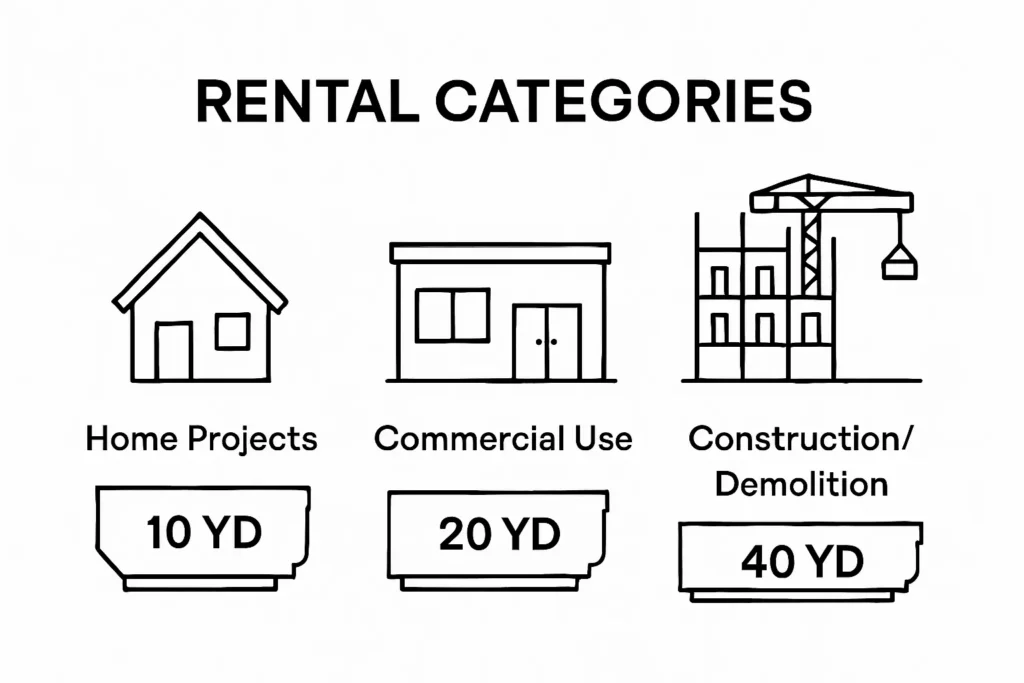
Key applications for dumpster rentals include:
- Home renovation and remodeling projects
- Construction and demolition sites
- Landscaping and yard waste removal
- Estate and foreclosure cleanouts
- Commercial and industrial waste management
How Dumpster Rental Works
The process of renting a dumpster is straightforward. According to OSHA waste management guidelines, proper waste containment is crucial for safety and compliance. When you rent a dumpster, the rental company delivers the container to your specified location, places it on a stable surface, and picks it up once you’ve finished filling it. Most rental periods range from 7 to 14 days, though this can be adjusted based on your specific project requirements.
Before selecting a dumpster, consider factors such as the type and volume of waste, project duration, and local regulations. Some materials like hazardous waste, electronics, and certain chemicals may have specific disposal restrictions that require special handling.
Why Dumpster Rental Matters for Homeowners and Businesses
Dumpster rental represents a strategic solution for efficient waste management, offering significant advantages for both residential and commercial clients. By providing a centralized, convenient waste disposal method, these services streamline complex cleanup projects and help maintain organized, safe work environments.
Cost-Effective Waste Management
Renting a dumpster is often more economical than alternative disposal methods. Instead of making multiple trips to local disposal sites, which incur fuel costs and vehicle wear, a single dumpster rental allows you to consolidate waste removal. Dumpster size selection directly impacts your overall project expenses, enabling precise waste management tailored to your specific needs.
Key economic benefits include:
- Reduced transportation expenses
- Minimized labor costs associated with waste sorting
- Predictable pricing for waste removal
- Elimination of multiple disposal fees
- Streamlined project management
Environmental and Safety Considerations
According to Berkeley’s municipal guidelines, proper waste containment is crucial for community safety and environmental responsibility. Dumpster rentals help prevent debris scattering, reduce potential hazards on work sites, and ensure controlled waste management. Professional dumpster services often include proper sorting and recycling of materials, contributing to more sustainable waste disposal practices.
Businesses and homeowners benefit from centralized waste collection that minimizes environmental impact while maintaining clean, safe work and living spaces. By choosing the right dumpster rental service, you can efficiently manage waste while supporting responsible disposal practices.
How the Dumpster Rental Process Works
The dumpster rental process is designed to be straightforward and user-friendly, providing clients with a seamless waste management solution. From initial consultation to final pickup, the process involves several key stages that ensure efficient and responsible waste disposal for residential and commercial projects.
Initial Consultation and Size Selection
Choosing the right dumpster is crucial for project success. Dumpster rental services in Litchfield County typically begin with a comprehensive consultation to assess your specific waste removal needs. Factors such as project type, estimated waste volume, and site accessibility play critical roles in determining the most appropriate container size.
Key considerations during size selection include:
- Total volume of waste to be disposed
- Type of materials being discarded
- Available space for dumpster placement
- Duration of the project
- Local zoning and placement restrictions
Delivery, Placement, and Usage Guidelines
Once the appropriate dumpster is selected, the rental company coordinates delivery to your specified location. According to municipal waste management guidelines, proper placement is essential for safety and compliance. The dumpster will be positioned on a stable, level surface that can support its weight and allows easy access for loading.
During the rental period, clients must adhere to specific usage guidelines. This includes avoiding overfilling the container, ensuring proper weight distribution, and following restrictions on prohibited materials such as hazardous waste, electronics, and certain chemical substances. Most rental periods range from 7 to 14 days, with flexible options available to accommodate project timelines.
By understanding and following these guidelines, homeowners and businesses can maximize the efficiency and convenience of their dumpster rental experience.
Key Concepts and Terms in Dumpster Rental
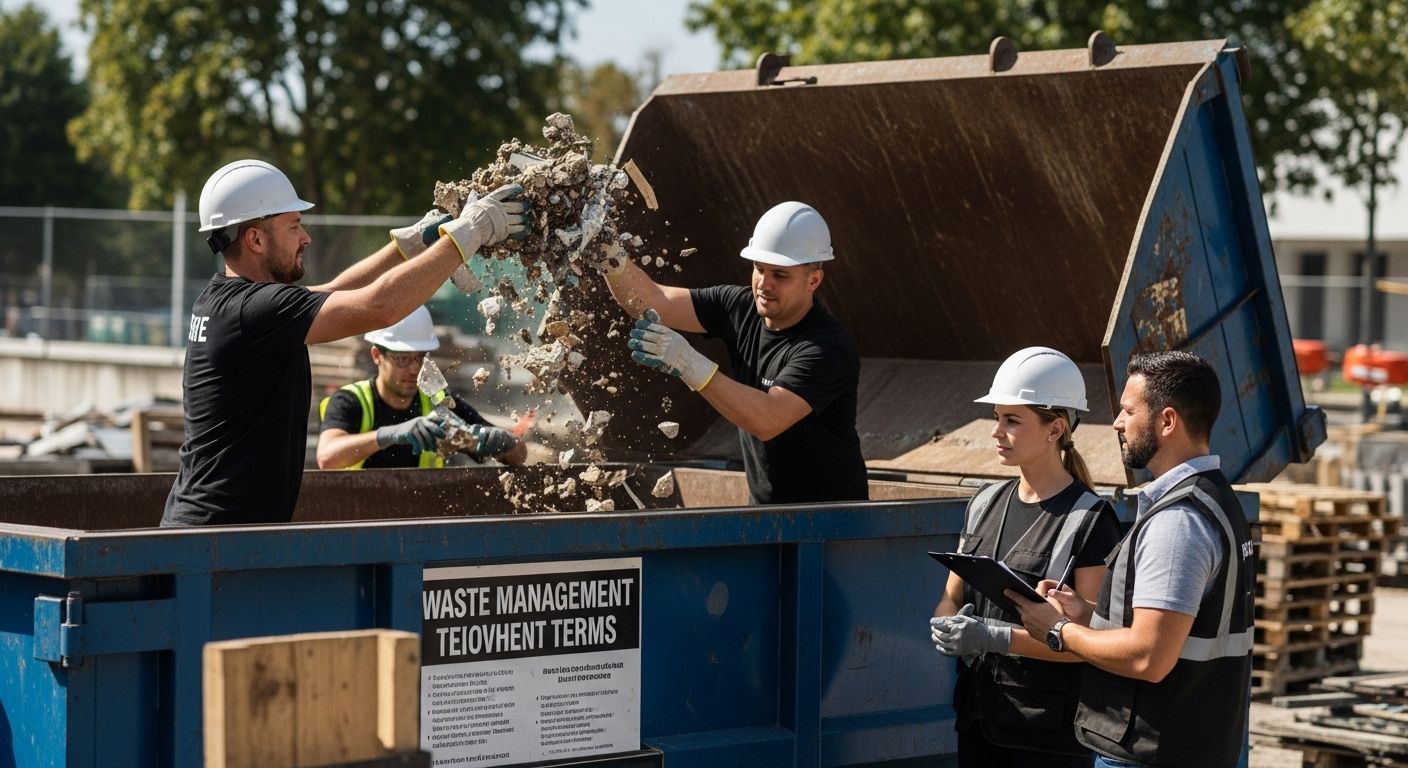
Understanding dumpster rental terminology is crucial for making informed decisions about waste management. Professional waste disposal involves specialized vocabulary that helps clients communicate effectively with service providers and ensure proper project execution.
Fundamental Waste Management Terminology
Connecticut dumpster rental services utilize specific technical terms that define the scope and parameters of waste removal. Understanding these concepts helps clients navigate the rental process more confidently.
Key terminology includes:
- Cubic Yard: Standard measurement for dumpster capacity
- Tare Weight: Empty dumpster weight before loading
- Gross Weight: Total weight of dumpster including waste
- Debris Type: Classification of materials being disposed
- Drop-Off/Pick-Up: Delivery and removal logistics
Waste Classification and Regulatory Concepts
According to EPA waste management guidelines, waste materials are categorized based on their composition and potential environmental impact. Different waste types require specific handling protocols.
Waste classification categories include:
- Residential waste
- Construction and demolition debris
- Hazardous materials
- Green waste and recyclables
- Industrial waste
Professional dumpster rental services are well-versed in these classifications, ensuring proper disposal and compliance with local and federal regulations. By understanding these key concepts, homeowners and businesses can make more informed decisions about their waste management needs.
Real-World Applications of Dumpster Rentals
Dumpster rentals serve a wide range of practical purposes across residential, commercial, and industrial sectors. These versatile waste management solutions address complex disposal challenges by providing efficient, controlled methods for handling large volumes of debris and materials.
Residential and Home Improvement Projects
Dumpster rental services in Litchfield County play a crucial role in supporting homeowners during significant renovation and cleanup efforts. Major home improvement scenarios where dumpster rentals become essential include:
- Complete home renovations
- Landscaping and yard transformation projects
- Estate and garage cleanouts
- Roof replacement and exterior remodeling
- Preparing homes for sale or rental
Commercial and Construction Applications
According to Stanford University’s waste management research, professional organizations increasingly rely on strategic waste management solutions. Construction and commercial sectors utilize dumpster rentals for comprehensive debris management.
Key commercial applications encompass:
- New building construction sites
- Demolition and infrastructure projects
- Retail store remodeling
- Industrial facility cleanouts
- Landscaping and municipal development work
By providing targeted waste disposal solutions, dumpster rentals help organizations maintain clean, safe, and efficient work environments while supporting responsible waste management practices.
Simplify Every Cleanup With a Local Dumpster Solution
After learning how crucial proper dumpster rental is for your next project, you might be worried about making the right size choice or managing costs without unexpected fees. Many homeowners and business owners face the stress of overflowing debris, waste classification challenges, and the risk of project delays due to inefficient disposal options. Whether you are tackling a home renovation, a large cleanout, or a business remodel, you know that safe, efficient waste removal and clear pricing matter most. Our website steps in to remove that uncertainty and put you fully in control.
Ready to choose the perfect dumpster for your needs? Experience transparent pricing, easy scheduling, and clear guidelines on dumpster rental services tailored for Litchfield County. We empower you with hassle-free, size selection tips and direct online access to start your project now. Visit our online quote page and see how quickly our team can help manage your waste so you can focus on what matters. Let us help you keep your space clean and stress-free today.
Frequently Asked Questions
What types of projects require dumpster rental?
Dumpster rentals are ideal for various projects, including home renovations, construction and demolition sites, landscaping, estate cleanouts, and commercial waste management.
How do I choose the right size dumpster for my needs?
Consider the volume of waste you expect to generate, the type of materials to be disposed of, available space for placement, and the duration of your project when selecting a dumpster size.
What materials are prohibited in a dumpster rental?
Hazardous waste, electronics, certain chemicals, and specific types of construction debris may have disposal restrictions. Always check with your rental service for a list of prohibited items.
How long can I keep a rented dumpster?
Most dumpster rental periods range from 7 to 14 days, but this can be adjusted based on your project requirements. Check with your rental company for specific terms.