


Waste piles up faster than most people realize and the average American produces over 4 pounds of trash every single day. You might think throwing it all in the bin is the end of the story. Actually, what happens next is the real turning point for our health, our economy, and the environment we depend on.
Table of Contents
- What Is Waste Management And Its Importance?
- Why Waste Management Best Practices Matter For Communities
- How Waste Management Processes Work From Collection To Recycling
- Key Concepts In Waste Reduction And Environmental Impact
- Real-World Applications Of Waste Management Best Practices
Quick Summary
| Takeaway | Explanation |
|---|---|
| Implement comprehensive waste management strategies | Effective waste management protects public health and the environment by minimizing pollution and resource waste. |
| Promote recycling and composting | These practices reduce landfill use and convert waste into valuable resources, contributing to a sustainable economy. |
| Educate communities on waste practices | Providing residents with information on waste reduction enhances participation and effectiveness of local waste management efforts. |
| Invest in advanced waste processing technologies | Utilizing modern technologies improves waste sorting and recycling efficiency, reducing environmental impact. |
| Support local recycling and waste reduction programs | Engaging in local initiatives can lower municipal waste costs and enhance community aesthetics and property values. |
What is Waste Management and Its Importance?
Waste management is a comprehensive system designed to handle, process, and responsibly dispose of materials generated by human activities. Learn more about our local waste management solutions, which play a critical role in maintaining environmental and community health.
Understanding the Core Concept
At its fundamental level, waste management encompasses the entire lifecycle of waste materials from initial generation to final disposal. This process involves several key stages:
- Collection: Gathering waste from residential, commercial, and industrial sources
- Transportation: Moving waste to appropriate processing or disposal facilities
- Processing: Sorting, treating, and preparing waste for final disposition
- Disposal: Safely eliminating waste through methods like landfilling, incineration, or recycling
According to the U.S. Environmental Protection Agency, effective waste management is crucial for protecting human health and environmental sustainability.
Why Waste Management Matters
Waste management is not merely about removing unwanted materials. It represents a critical environmental and public health strategy with profound implications. Poor waste management can lead to significant environmental degradation, including:
- Soil contamination
- Water pollution
- Air quality deterioration
- Increased greenhouse gas emissions
- Potential health risks for communities
By implementing strategic waste management practices, communities can minimize environmental impact, conserve natural resources, and create more sustainable living environments. This involves reducing waste generation, promoting recycling, and developing innovative disposal technologies that minimize ecological harm while maximizing resource efficiency.
Why Waste Management Best Practices Matter for Communities
Waste management best practices are essential for maintaining healthy, sustainable, and environmentally responsible communities. Learn more about our yard debris removal strategies that help local residents understand effective waste management techniques.
Environmental and Public Health Impact
Effective waste management goes far beyond simple trash collection. Communities that implement robust waste management strategies can significantly reduce environmental risks and protect public health. These practices prevent numerous potential hazards:
- Contamination of soil and groundwater resources
- Reduction of harmful greenhouse gas emissions
- Minimization of disease transmission through proper waste handling
- Prevention of wildlife habitat destruction
- Reduction of air and water pollution
According to the U.S. Environmental Protection Agency, implementing comprehensive waste management approaches helps communities conserve resources and protect ecological systems.
Economic and Social Benefits
Beyond environmental considerations, waste management best practices deliver substantial economic advantages. Communities that invest in systematic waste management experience significant financial and social benefits:
- Reduced municipal waste management costs
- Creation of local jobs in recycling and waste processing industries
- Enhanced community aesthetics and property values
- Potential revenue generation through recycling programs
- Improved overall quality of life for residents
By prioritizing waste management best practices, communities demonstrate a commitment to sustainable development, environmental stewardship, and long-term resource conservation. These strategies not only protect current populations but also safeguard environmental resources for future generations.
How Waste Management Processes Work from Collection to Recycling
Waste management represents a complex, multi-stage system that transforms discarded materials into valuable resources. Learn more about our renovation debris recycling methods, which demonstrate modern waste processing techniques.
Collection and Initial Sorting
The waste management journey begins with systematic collection. Waste streams are typically categorized into distinct groups that determine their subsequent processing:
- Residential Waste: Generated from households, including packaging, food scraps, and everyday items
- Commercial Waste: Produced by businesses, offices, and industrial facilities
- Specialized Waste: Includes construction debris, electronic waste, and hazardous materials
According to the U.S. Environmental Protection Agency, each waste stream requires unique handling and processing strategies to maximize resource recovery and minimize environmental impact.
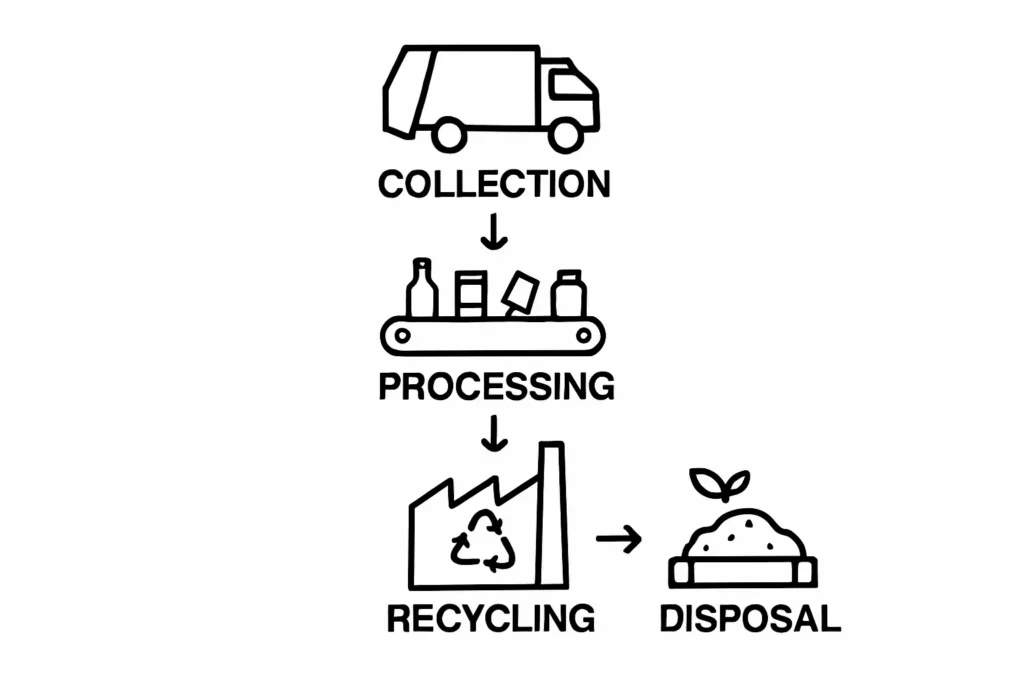
Processing and Transformation
Once collected, waste undergoes a sophisticated transformation process. Materials are meticulously sorted using advanced technologies like optical sensors, magnetic separators, and automated sorting systems. This critical stage involves several key steps:
- Mechanical separation of different material types
- Cleaning and decontamination of recyclable materials
- Compressing and preparing materials for remanufacturing
- Identifying and removing non-recyclable components
The goal of this intricate process is to convert waste from a potential environmental liability into a valuable resource that can be reintegrated into production cycles. By implementing efficient processing techniques, waste management systems can significantly reduce landfill dependency and conserve natural resources.
Through continuous technological innovation and strategic planning, waste management processes are evolving to create more sustainable, circular economic models that prioritize resource efficiency and environmental preservation.
Key Concepts in Waste Reduction and Environmental Impact
Waste reduction represents a critical strategy for minimizing environmental degradation and promoting sustainable resource management. Learn more about debris cleanup strategies that help individuals and communities reduce their ecological footprint.
Fundamental Principles of Waste Reduction
Waste reduction is built on several foundational principles that guide environmental conservation efforts. These core concepts help individuals and organizations understand how to minimize waste generation and environmental impact:
- Source Reduction: Preventing waste before it is created
- Reuse: Finding alternative purposes for materials
- Recycling: Converting waste materials into new products
- Composting: Transforming organic waste into nutrient-rich soil amendments
According to the U.S. Environmental Protection Agency, implementing these strategies can significantly decrease greenhouse gas emissions and conserve natural resources.
Environmental and Economic Implications
The impact of waste reduction extends far beyond immediate waste management. By adopting comprehensive waste reduction strategies, communities and organizations can achieve multiple environmental and economic benefits:
- Reduction of landfill volume and associated environmental degradation
- Decreased energy consumption in manufacturing processes
- Conservation of raw material resources
- Mitigation of climate change through reduced carbon emissions
- Creation of economic opportunities in recycling and sustainable industries
Waste reduction is not just an environmental imperative but a holistic approach to resource management that balances ecological preservation with economic sustainability. By understanding and implementing these key concepts, individuals and communities can play a crucial role in creating a more sustainable and resilient future.
Real-World Applications of Waste Management Best Practices
Waste management best practices are transforming how communities and organizations approach resource conservation and environmental sustainability. Explore our advanced debris removal solutions that demonstrate practical waste management strategies in action.
Community and Residential Waste Management
Individuals and residential communities play a crucial role in implementing effective waste management strategies. Practical applications include:
- Residential Recycling Programs: Systematic collection and processing of recyclable materials
- Home Composting: Converting organic waste into nutrient-rich soil amendments
- Smart Waste Sorting: Separating waste streams at the point of disposal
- Community Education Initiatives: Teaching residents about proper waste reduction techniques
According to the U.S. Environmental Protection Agency, successful waste management requires active participation from individual households and community organizations.
Institutional and Commercial Waste Reduction Strategies
Businesses and institutions are developing innovative approaches to minimize waste and reduce environmental impact. Effective real-world applications include:
- Implementing comprehensive recycling and waste reduction programs
- Designing products with reduced packaging and improved recyclability
- Creating closed-loop manufacturing processes
- Developing corporate sustainability goals focused on waste minimization
- Investing in advanced waste processing technologies
These strategies demonstrate how waste management best practices can be integrated into organizational operations, creating significant environmental and economic benefits. By adopting systematic approaches to waste reduction, businesses can simultaneously decrease their ecological footprint and generate cost savings through more efficient resource utilization.
Make Waste Management Easy and Responsible in Your Connecticut Home or Business
Confused about how to practice the best waste management techniques in your everyday life? Struggling with clutter, leftover debris, or the challenge of safely disposing of unwanted items? As discussed in the article, effective waste management hinges on proper collection, sorting, and recycling— all aimed at protecting your health and our environment. Many households and businesses lack the time or resources to handle bulk trash, renovation debris, or yard waste the right way. Without a partner dedicated to recycling, responsible disposal, and community well-being, these essential best practices can feel out of reach.
Start making a real impact in Litchfield County today. Choose a professional team that understands waste management best practices and makes the process both simple and eco-friendly. Explore our range of services from yard debris cleanup to renovation debris recycling and discover how our experienced crew delivers safe, fast, and thorough results every time. Ready for a cleaner space and peace of mind? Request your free online quote now and join your neighbors who trust us for reliable, sustainable junk removal in Connecticut.
Frequently Asked Questions
What are the key components of waste management?
Waste management includes four main stages: collection, transportation, processing, and disposal. Each stage is essential to ensure that waste is handled responsibly and efficiently.
The following table summarizes the four main stages of waste management and their key characteristics to provide a clear reference for understanding each stage’s role in the process.
| Stage | Description | Key Activities |
|---|---|---|
| Collection | Gathering waste from various sources | Pickup from homes, businesses, and industrial sites |
| Transportation | Moving waste to facilities | Transferring waste via trucks or other transport means |
| Processing | Sorting, treating, and preparing waste | Separation, cleaning, decontamination, preparation |
| Disposal | Final handling to eliminate waste safely | Landfilling, incineration, or recycling |
Why is effective waste management important for communities?
Effective waste management protects public health, reduces environmental risks, and conserves natural resources. It helps prevent soil and water contamination, minimizes greenhouse gas emissions, and promotes overall community well-being.
How can individuals participate in waste reduction at home?
Individuals can participate in waste reduction by implementing practices such as recycling, composting, reusing materials, and properly sorting their waste. Engaging in community education initiatives can also raise awareness and promote better waste management strategies.
What are the economic benefits of adopting waste management best practices?
Adopting best practices in waste management can lead to reduced costs for municipalities, job creation in recycling and waste processing sectors, improved property values, and potential revenue from recycling programs. These benefits contribute to the overall quality of life in communities.
This table compares the main environmental and economic benefits that result from adopting best practices in waste management for communities.
| Benefit Type | Specific Advantages |
|---|---|
| Environmental | Protects soil and water, reduces emissions, preserves habitats, improves air quality |
| Economic | Lowers municipal costs, creates local jobs, raises property values, generates recycling revenue |
| Social | Enhances aesthetics, improves resident quality of life, supports community well-being |
Recommended
- Yard Debris Disposal in Connecticut | Easy 2025 Guide
- Home Renovation Debris Cleanup in CT | 2025 Guide
- Renovation Debris Recycling Made Easy in Connecticut 2025 – C&M Carting Solutions
- Top Yard Debris Removal Tips for Connecticut in 2025 – C&M Carting Solutions
- Reduce NEMT Fraud, Waste, and Abuse for Medicare Advantage Plans – VectorCare
- Sustainable Web Development for Modern Businesses