


Bulky waste is everywhere and it’s not your everyday trash bag. Think couches too big to budge or appliances you cannot roll to the curb. Now here’s what might surprise you. The EPA reports that improper disposal of bulky waste leads to landfill overcrowding and environmental contamination on a massive scale. Most people think tossing out a mattress is no big deal. Truth is, every time someone gets this wrong, it risks fines, pollutes the environment, and creates hidden hazards for everyone.
Table of Contents
- Defining Bulky Waste: What Is It?
- The Importance Of Recognizing Bulky Waste
- Types Of Bulky Waste And Their Implications
- How Bulky Waste Disposal Works
- Environmental Impact Of Proper Bulky Waste Management
Quick Summary
| Takeaway | Explanation |
|---|---|
| Bulky waste requires special disposal methods | Items that are too large for regular bins need special handling and techniques for removal. |
| Know local bulky waste regulations | Familiarize yourself with municipal guidelines for proper disposal to avoid fines. |
| Improve recycling efforts for bulky waste | Identifying bulky waste allows better recycling processes, reducing environmental impact and landfill use. |
| Bulky waste can pose safety hazards | Old furniture and appliances can attract pests and create structural risks if improperly managed. |
| Community cleanliness relies on proper waste identification | Recognizing bulky waste fosters effective waste management and keeps public spaces safer and cleaner. |
Defining Bulky Waste: What Is It?
Bulky waste represents a specific category of discarded materials that are too large or unwieldy to fit into standard garbage collection bins. These items typically exceed the size and weight limitations of regular waste disposal methods, requiring specialized handling and removal techniques.
Understanding the Characteristics of Bulky Waste
Bulky waste encompasses a wide range of oversized items typically found in residential and commercial settings. These items share several key characteristics that distinguish them from regular trash:
- Size: Generally larger than standard garbage containers
- Weight: Typically heavy and difficult to move
- Complexity: Often requires special equipment for removal
Below is a table summarizing the main characteristics that distinguish bulky waste from regular trash, based on descriptions in the content:
| Characteristic | Description |
|---|---|
| Size | Larger than standard garbage containers |
| Weight | Typically heavy and difficult to move |
| Complexity | Often requires special equipment for removal |
| Hazards | Can attract pests or create structural and safety risks |
Common examples of bulky waste include furniture like sofas, mattresses, dining tables, large appliances such as refrigerators and washing machines, and substantial outdoor equipment like playground sets or large garden furniture. Learn more about specialized waste removal services.
Legal and Municipal Considerations
Municipal regulations regarding bulky waste vary significantly across different jurisdictions. According to Environmental Protection Agency guidelines, local governments typically establish specific protocols for bulky waste disposal. These guidelines often specify:
- Acceptable item types for bulk pickup
- Scheduled collection dates
- Preparation requirements for waste items
- Potential fees or restrictions
Understanding these local regulations is crucial for proper disposal and avoiding potential fines or collection refusals. Homeowners and businesses must familiarize themselves with their specific municipal waste management policies to ensure compliant and efficient bulky waste removal.
The Importance of Recognizing Bulky Waste
Recognizing bulky waste is crucial for effective waste management, environmental sustainability, and community cleanliness. Proper identification helps individuals and municipalities develop targeted strategies for disposal, recycling, and resource allocation.
Environmental and Economic Impact
Bulky waste presents significant challenges to waste management systems. When not properly identified and handled, these items can create substantial environmental and economic burdens. According to the U.S. Environmental Protection Agency, improper disposal of bulky waste leads to multiple negative consequences:
- Landfill Overcrowding: Large items consume significant space in waste facilities
- Resource Waste: Many bulky items contain recyclable materials
- Environmental Contamination: Improper disposal can lead to soil and water pollution
Health and Safety Considerations
Accurate recognition of bulky waste is essential for maintaining community health and safety. Learn more about proper waste disposal methods. Bulky waste items like old furniture, appliances, and construction materials can pose significant risks if left unattended:
- Potential breeding grounds for pests
- Structural hazards in residential and commercial spaces
- Risk of injury from improperly stored or discarded items
By understanding and identifying bulky waste, communities can implement more effective waste management strategies that protect public health, preserve environmental resources, and maintain clean and safe living spaces.
Types of Bulky Waste and Their Implications
Bulky waste encompasses diverse materials that require specialized disposal methods and pose unique challenges for waste management systems. Understanding these categories helps individuals and municipalities develop targeted strategies for responsible waste handling.
Residential Bulky Waste Categories
Residential bulky waste includes a wide range of items that exceed standard garbage collection limitations. Explore comprehensive debris removal solutions to manage these complex waste streams effectively. The primary residential bulky waste categories include:
- Furniture: Sofas, chairs, tables, mattresses, bed frames
- Large Appliances: Refrigerators, washing machines, dryers, dishwashers
- Electronics: Televisions, computer monitors, large entertainment systems
According to the Environmental Protection Agency, these items represent significant waste volume and require specialized disposal techniques.
To help identify the types of bulky waste, the following table organizes common categories and examples mentioned in the article:
| Category | Examples |
|---|---|
| Furniture | Sofas, chairs, tables, mattresses, bed frames |
| Large Appliances | Refrigerators, washing machines, dryers, dishwashers |
| Electronics | Televisions, computer monitors, large entertainment systems |
| Construction Debris | Concrete, metal scraps, wooden pallets |
| Machinery/Industrial | Large machinery components, obsolete industrial equipment |
Commercial and Industrial Bulky Waste
Beyond residential sources, commercial and industrial settings generate substantial bulky waste with complex disposal requirements. These materials often involve more significant environmental and logistical challenges:
- Construction debris like concrete, metal scraps, wooden pallets
- Large machinery components
- Obsolete industrial equipment
Proper management of these waste types is crucial for environmental sustainability, workplace safety, and regulatory compliance. Each category demands unique handling protocols to minimize environmental impact and maximize potential recycling opportunities.
How Bulky Waste Disposal Works
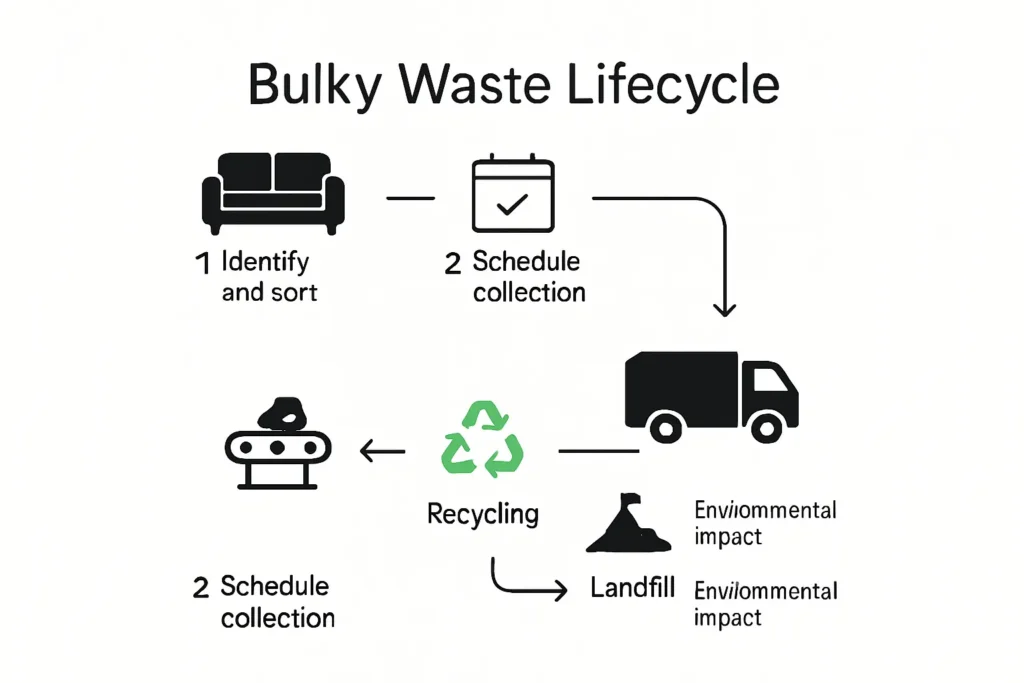
Bulky waste disposal is a complex process involving multiple stages of collection, sorting, transportation, and responsible management. The process requires specialized equipment, trained personnel, and strategic planning to ensure efficient and environmentally responsible waste handling.
Collection and Initial Processing
Explore our comprehensive bulk garbage pickup services to understand the intricacies of waste management. The initial stage of bulky waste disposal involves several critical steps:
- Scheduling: Municipalities or waste management services establish specific collection times
- Separation: Items are categorized based on material composition
- Initial Assessment: Determining potential for recycling or reuse
According to the U.S. Environmental Protection Agency, proper initial sorting can significantly reduce landfill waste and promote resource recovery.
Recycling and Disposal Pathways
Once collected, bulky waste follows diverse disposal pathways depending on its material composition and condition. Different materials require unique processing techniques:
- Metals are typically sent to recycling facilities for melting and repurposing
- Wooden furniture might be processed for wood chip production
- Electronic waste undergoes specialized electronic recycling protocols
These varied pathways demonstrate the complexity of bulky waste management, emphasizing the importance of systematic and environmentally conscious disposal strategies.
Environmental Impact of Proper Bulky Waste Management
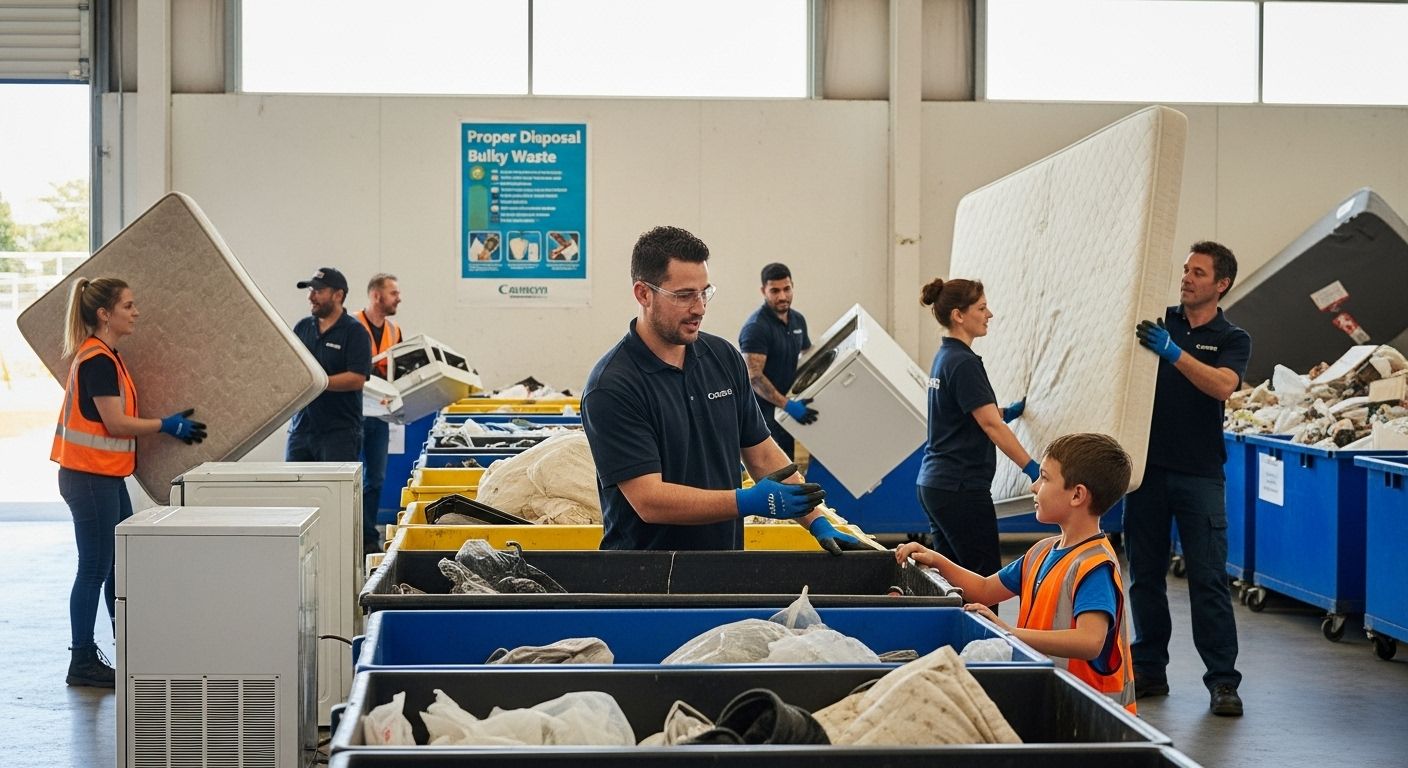
Proper bulky waste management plays a critical role in environmental conservation, resource preservation, and sustainable waste reduction. By implementing strategic disposal techniques, communities can significantly mitigate negative ecological consequences associated with improper waste handling.
Resource Conservation and Recycling
Learn about our advanced waste management solutions that prioritize environmental sustainability. Effective bulky waste management offers substantial environmental benefits through comprehensive recycling and resource recovery:
- Material Reuse: Transforming waste into new products
- Energy Conservation: Reducing manufacturing demands for raw materials
- Landfill Reduction: Minimizing waste volume in disposal sites
According to the Environmental Protection Agency, strategic recycling can dramatically decrease greenhouse gas emissions and preserve natural resources.
Ecological Protection Strategies
Proper bulky waste management extends beyond recycling, encompassing broader ecological protection mechanisms:
- Preventing soil and water contamination
- Reducing habitat destruction from excessive landfill expansion
- Minimizing chemical leaching from improperly disposed materials
These strategies demonstrate how responsible waste management serves as a critical component of environmental stewardship, protecting ecosystems and supporting long-term ecological sustainability.
Struggling With Bulky Waste? Let Local Experts Simplify the Process
Dealing with bulky waste can be overwhelming. Whether it is old furniture, heavy appliances, or construction materials that exceed regular disposal limits, these oversized items create worries about compliance, safety, and the environmental impact of improper dumping. As the article highlights, understanding what qualifies as bulky waste and how to handle it responsibly is not easy. Many homeowners and businesses are frustrated by missed pickups, complicated municipal rules, and the constant risk of fines or clutter turning into a health hazard.
If you want a hassle-free solution tailored for Connecticut, our team can handle bulky items efficiently, safely, and with a green approach. We know the local regulations and offer specialized bulk garbage pickup services that remove uncertainty and hard work from your to-do list. Do not let clutter slow you down or risk expensive mistakes. Get a fast, transparent quote online now and reclaim your space with help from experienced professionals committed to your peace of mind.
Frequently Asked Questions
What is considered bulky waste?
Bulky waste includes large or heavy items that cannot fit in standard garbage containers, such as furniture, large appliances, and substantial outdoor equipment.
How can I dispose of bulky waste properly?
To dispose of bulky waste properly, contact your local waste management service to learn about scheduled pickup days, preparation requirements, and any potential fees.
Why is it important to identify bulky waste?
Recognizing bulky waste is crucial for effective waste management, as it helps prevent overcrowding in landfills, allows for better recycling opportunities, and maintains community cleanliness and safety.
What are the environmental impacts of improper bulky waste disposal?
Improper disposal of bulky waste can lead to landfill overcrowding, resource waste, and environmental contamination, affecting soil and water quality and contributing to pollution.