


Yard debris piles up fast during gardening season and makes up an astonishing 12.1 percent of all municipal solid waste in the US. Most people think those grass clippings and leaf piles simply disappear after curbside pickup. Turns out, how you handle yard waste could either help protect the environment or quietly fuel climate problems.
Table of Contents
- What Is Yard Debris Recycling And Why Is It Important?
- The Environmental Impact Of Proper Yard Debris Disposal
- Key Components Of Yard Debris Recycling Rules
- Local Regulations: Understanding Connecticut’s Guidelines
- Best Practices For Complying With Yard Debris Recycling Rules
Quick Summary
| Takeaway | Explanation |
|---|---|
| Recycle yard debris to combat landfill waste | Yard debris makes up 12.1% of municipal waste; recycling reduces landfill use and supports sustainability. |
| Sort yard waste according to local rules | Effective recycling depends on separating organic materials, following community guidelines to prevent contamination. |
| Engage in seasonal yard waste management | Adapt your disposal practices based on seasonal collection schedules and peak landscaping periods for optimal compliance. |
| Utilize composting and mulching | These methods create nutrient-rich soil amendments and reduce the need for chemical fertilizers, benefiting both gardens and ecosystems. |
| Stay informed about local regulations | Understanding municipal guidelines helps avoid penalties and ensures successful yard debris recycling and disposal. |
What is Yard Debris Recycling and Why is it Important?
Yard debris recycling transforms organic waste from landscaping and garden maintenance into valuable resources, preventing unnecessary landfill accumulation and supporting environmental sustainability. This process involves collecting, processing, and repurposing materials like grass clippings, tree branches, fallen leafs, and plant trimmings through strategic waste management techniques.
Understanding Yard Debris Composition
Yard debris encompasses a wide range of organic materials generated from residential and commercial landscaping activities. These materials typically include:
- Tree branches and limbs
- Grass clippings
- Fallen leafs and seasonal plant debris
- Garden prunings and plant trimmings
- Small shrub and hedge cuttings
Each of these materials can be effectively recycled through composting, mulching, or professional processing methods that convert them into useful products like soil amendments, landscaping materials, and renewable energy sources.
The following table breaks down the main types of yard debris and their appropriate recycling or processing methods, providing a clear overview for efficient waste management.
| Yard Debris Type | Typical Source | Preparation Requirements | Recommended Recycling Method |
|---|---|---|---|
| Tree Branches/Limbs | Tree trimming, storms | Cut into short pieces, remove soil | Mulching, Composting |
| Grass Clippings | Lawn mowing | Bag or leave loose (as allowed) | Composting, Mulching |
| Fallen Leaves | Seasonal shedding | Bag (biodegradable), no contaminants | Composting, Mulching |
| Plant Trimmings | Garden/pruning | Bundle, remove non-organic matter | Composting |
| Shrub/Hedge Cuttings | Landscaping/pruning | Bundle, keep separate from trash | Composting, Mulching |
Environmental Benefits of Yard Debris Recycling
According to the United States Environmental Protection Agency, yard trimmings represent approximately 12.1% of municipal solid waste. By implementing robust recycling strategies, communities can significantly reduce landfill contributions and generate substantial environmental advantages.
Recycling yard debris offers multiple ecological benefits:
- Reduces greenhouse gas emissions from decomposing waste
- Conserves landfill space
- Creates nutrient-rich soil amendments
- Supports local ecosystem health
- Minimizes the need for chemical fertilizers
For residents looking to optimize their yard waste management, our comprehensive yard debris removal guide provides practical insights into responsible disposal techniques.
The Environmental Impact of Proper Yard Debris Disposal
Proper yard debris disposal plays a critical role in maintaining ecological balance and reducing environmental degradation. When organic waste is managed strategically, it transforms from a potential landfill burden into a valuable resource that supports sustainable ecosystem management.
Landfill Reduction and Carbon Emissions
Improper disposal of yard debris contributes significantly to environmental challenges. When organic materials decompose in landfills, they generate substantial methane emissions, a greenhouse gas 25 times more potent than carbon dioxide in trapping atmospheric heat. According to research from the Environmental Protection Agency, yard trimmings represent approximately 12.1% of municipal solid waste, presenting a substantial opportunity for environmental intervention.
Ecological Benefits of Sustainable Waste Management
Effective yard debris disposal offers multiple ecological advantages:
- Reduces greenhouse gas emissions
- Prevents soil and water contamination
- Creates nutrient-rich compost for agricultural and landscaping use
- Supports local biodiversity by recycling organic materials
- Minimizes waste transportation and associated carbon footprint
By implementing responsible disposal practices, communities can transform yard waste from an environmental liability into a regenerative resource.
Here’s a comparison table summarizing the key ecological benefits of proper yard debris recycling versus improper disposal. This table helps highlight their distinct environmental impacts.
| Disposal Method | Greenhouse Gas Emissions | Landfill Space | Soil & Water Quality | Compost & Soil Health |
|---|---|---|---|---|
| Proper Recycling | Significantly reduced | Conserved | Protected | Improved |
| Improper Disposal | High (due to methane output) | Consumed rapidly | Risk of contamination | No benefit |
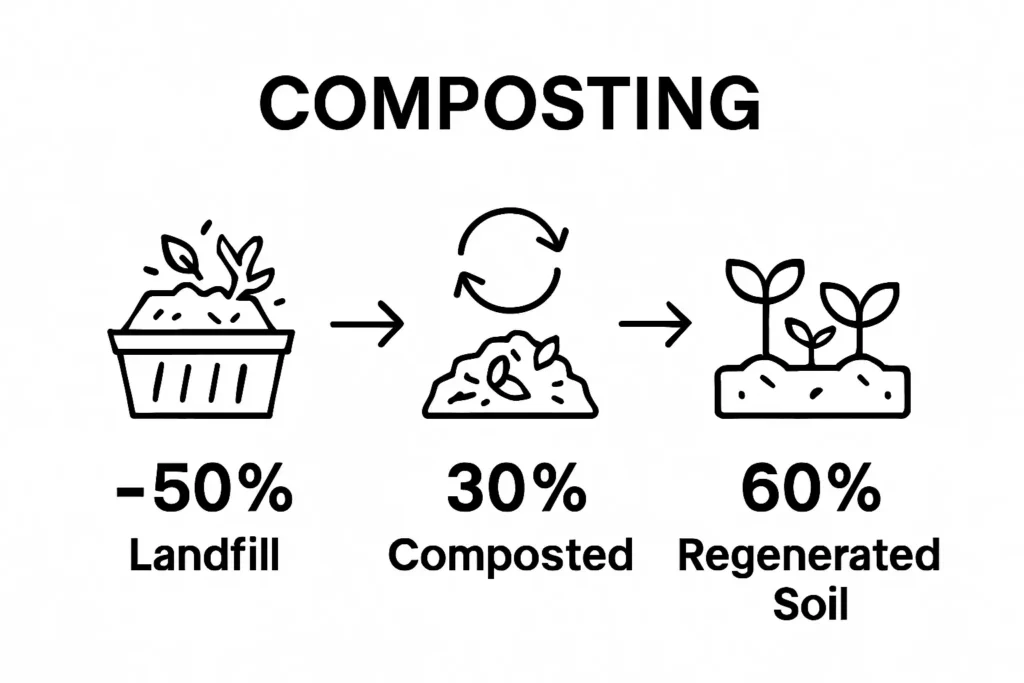
Learn more about our eco-friendly yard debris removal strategies that support sustainable waste management practices in Connecticut.
Key Components of Yard Debris Recycling Rules
Yard debris recycling rules are comprehensive guidelines designed to streamline waste management, ensure environmental sustainability, and facilitate efficient organic material processing. These regulations provide a structured approach to handling, collecting, and repurposing yard waste across residential and commercial landscapes.
Material Separation and Classification
Effective yard debris recycling begins with precise material categorization. Different organic materials require specific handling protocols to maximize recycling potential. Municipalities typically establish clear guidelines for acceptable yard waste, which generally include:
- Clean woody materials (branches, twigs)
- Grass clippings
- Fallen leafs and plant trimmings
- Garden vegetation without soil contamination
- Untreated wood chips
Crucial to these rules is the strict prohibition of contaminated materials such as treated lumber, painted wood, or debris mixed with inorganic substances that could disrupt the recycling process.
Collection and Processing Regulations
According to environmental guidelines from the United States Environmental Protection Agency, yard debris recycling rules mandate specific collection and processing standards. These regulations typically outline requirements for:
- Designated collection schedules
- Acceptable container types
- Maximum volume limits
- Preparation techniques for different organic materials
- Mandatory separation from general waste streams
Local jurisdictions often implement unique regional specifications that residents must follow to ensure successful yard waste management. Some areas require special biodegradable bags, while others mandate loose collection or specific bundling techniques.
Discover our comprehensive guide to local yard debris disposal protocols to navigate these intricate municipal requirements with confidence.
local Regulations: Understanding Connecticut’s Guidelines
Connecticut’s yard debris recycling regulations represent a comprehensive approach to sustainable waste management, reflecting the state’s commitment to environmental preservation and responsible resource handling. These guidelines provide a structured framework for residents and businesses to effectively manage organic waste while minimizing environmental impact.
Municipal Collection and Disposal Protocols
Connecticut municipalities have developed specific yard debris disposal guidelines that vary across different counties and towns. These regulations typically address critical aspects of waste management, including:
- Designated collection periods
- Acceptable types of yard waste
- Preparation and packaging requirements
- Volume limitations
- Seasonal restrictions
Many Connecticut communities require yard debris to be placed in biodegradable paper bags or clearly marked open containers, ensuring smooth collection and processing. Some regions implement strict seasonal schedules, limiting collection during winter months and expanding services during peak landscaping seasons.
Regional Recycling and Composting Standards
According to Connecticut Department of Energy and Environmental Protection, the state encourages comprehensive organic waste management strategies. Most local guidelines emphasize:
- Separation of organic materials from general waste
- Promoting home composting
- Supporting community composting initiatives
- Implementing zero-waste objectives
- Reducing landfill contributions
Connecticut’s approach distinguishes itself by integrating flexible municipal guidelines that accommodate diverse community needs while maintaining consistent environmental standards.
Explore our detailed Connecticut yard debris disposal guidelines to navigate local recycling requirements effectively.
Best Practices for Complying with Yard Debris Recycling Rules
Complying with yard debris recycling rules requires a strategic approach that balances environmental responsibility with practical waste management techniques. Homeowners and landscaping professionals must understand the nuanced requirements to effectively process organic materials while avoiding potential penalties and environmental harm.
Proper Material Preparation
Successful yard debris recycling begins with meticulous material preparation. Residents must carefully sort and process organic waste to meet municipal guidelines. Critical preparation steps include:
- Removing non-organic contaminants
- Separating different types of yard waste
- Cutting larger branches into manageable lengths
- Ensuring materials are clean and free from soil
- Bundling materials according to local specifications
Precise preparation prevents contamination and ensures smooth collection and processing of organic materials. Different municipalities may have unique requirements for branch length, bundling techniques, and acceptable material types.

Seasonal Compliance Strategies
According to environmental guidelines from the Environmental Protection Agency, effective yard debris management requires adaptive strategies that change with seasonal variations. Key compliance considerations include:
- Understanding seasonal collection schedules
- Adjusting yard waste volumes during peak landscaping periods
- Implementing alternative disposal methods during off-peak seasons
- Monitoring local regulation updates
- Maintaining clear communication with municipal waste management services
Seasonality significantly impacts yard debris recycling, with different requirements emerging during spring landscaping, summer maintenance, and autumn leaf collection periods.
Check out our comprehensive guide to seasonal yard debris management to stay ahead of local recycling requirements.
Simplify Yard Debris Recycling with Local Experts
Struggling to keep up with yard debris recycling rules or worried about missing municipal guidelines? You are not alone. Many Connecticut residents find that separating yard waste, sticking to collection schedules, and preparing debris for pickup can be overwhelming. Rest assured, our team at C&M Carting Solutions understands the challenges of proper yard debris disposal, from sorting organic waste to meeting local preparation and seasonal requirements outlined in the article.
Let us handle the hard work so you can enjoy a cleaner and greener property without the stress. Ready for easy, compliant yard waste removal? Request a fast quote today and see how our yard debris clearance solutions can help you stay on top of Connecticut’s recycling regulations. Join your neighbors who trust a family-owned, community-focused service. Take the next step toward hassle-free debris disposal by visiting our website now.
Frequently Asked Questions
What materials can be recycled as yard debris?
Yard debris typically includes tree branches, grass clippings, fallen leaves, garden prunings, and small shrub cuttings. It’s important to categorize these materials appropriately to maximize recycling potential.
How can I properly prepare my yard debris for recycling?
To properly prepare yard debris, remove any non-organic contaminants, separate different types of organic waste, cut larger branches into manageable lengths, and ensure materials are clean and free from soil. Follow local specifications for bundling and container use.
What are the environmental benefits of recycling yard debris?
Recycling yard debris reduces greenhouse gas emissions, conserves landfill space, creates nutrient-rich compost, supports local ecosystem health, and minimizes the need for chemical fertilizers, contributing to a healthier environment.
How do municipal regulations impact yard debris disposal?
Municipal regulations set specific collection schedules, acceptable materials, preparation requirements, and volume limits for yard debris disposal. It’s essential to familiarize yourself with local guidelines to ensure compliance and effective waste management.