



Every year, Connecticut generates over 50,000 tons of compostable material from yard waste alone. Most people think the biggest struggle is dragging all those leaves and branches to the curb. Here’s the twist. The smartest strategies for yard debris removal can actually cut your costs, shrink your environmental footprint, and even turn that mess into rich, garden-boosting soil.
Table of Contents
- Smart Ways To Sort And Collect Yard Debris
- Eco-Friendly Disposal And Recycling Options
- When To Call Emergency Or Same-Day Removal Services
- Cost-Saving Tips For Large And Small Properties
Quick Summary
| Takeaway | Explanation |
|---|---|
| Understand Yard Debris Categories | Properly sorting yard debris into categories like leaves, branches, and garden waste facilitates more efficient recycling and composting processes. |
| Utilize Eco-Friendly Disposal Options | Explore local composting and municipal yard waste collection programs to minimize environmental impact while managing yard debris. |
| Know When to Call for Emergency Services | Recognize critical debris scenarios, such as fallen trees after storms, that require immediate professional intervention to prevent property damage or safety hazards. |
| Implement DIY Strategies for Cost Savings | Homeowners can reduce removal costs through DIY initiatives like creating compost systems and scheduling regular maintenance to manage yard waste effectively. |
| Collaborate with Neighbors | Engage in community-based approaches like neighborhood cleanup events and shared equipment rentals to lower individual debris removal expenses. |
Smart Ways to Sort and Collect Yard Debris
Organizing and managing yard debris efficiently can transform a potentially overwhelming cleanup task into a streamlined process. Proper sorting and collection not only make disposal easier but also contribute to environmental sustainability and potentially reduce removal costs.
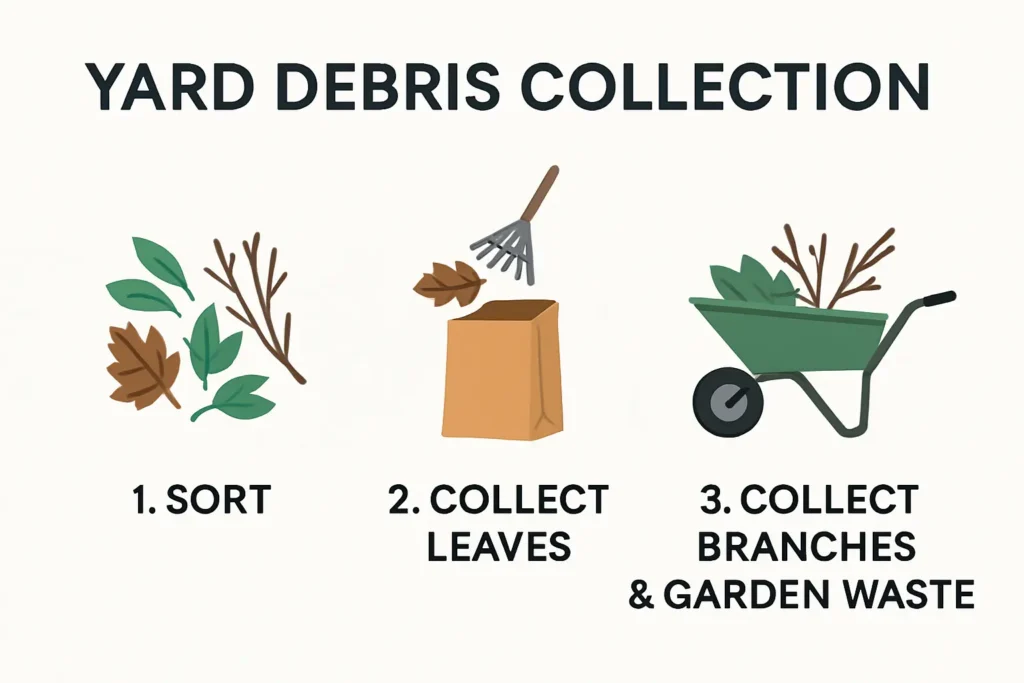
Understanding Yard Debris Categories
Effective yard debris management starts with understanding what constitutes different types of organic waste. According to Connecticut Department of Energy and Environmental Protection, yard debris typically includes:
- Leaves and Grass Clippings: Lightweight organic materials that decompose quickly
- Branches and Twigs: Woody materials requiring more specialized handling
- Garden Waste: Plant trimmings, dead flowers, and vegetable garden remnants
By separating these materials, you create opportunities for recycling and composting. Grasscycling offers an excellent strategy for managing grass clippings by leaving them on the lawn to naturally decompose, returning nutrients to the soil and reducing the need for chemical fertilizers.
To clarify the key yard debris categories and their recommended handling methods, the following table summarizes your options:
| Debris Type | Examples | Recommended Handling |
|---|---|---|
| Leaves & Grass Clippings | Fallen leaves, lawn mowings | Compost, grasscycling, mulch |
| Branches & Twigs | Small limbs, sticks, woody trimmings | Bundle for collection, mulch |
| Garden Waste | Flowers, vegetable plants, pruning scraps | Compost, bag for collection |
| Large Branches | Storm-downed limbs, thick wood | Stack separately, call removal |
| Invasive/Problem Plants | Poison ivy, diseased or invasive plants | Bag & dispose, professional help |
Efficient Collection and Preparation Techniques
Preparing yard debris for removal requires strategic planning. Start by investing in appropriate collection containers that suit different material types. Heavy-duty paper yard waste bags or reusable rigid containers work best for leaves and small branches. For larger branches, consider creating a separate pile that can be easily accessed by removal services.
Mulching provides another smart approach to yard debris management. As EPA Green Landscaping Guidelines recommend, applying a layer of organic material like leaves or wood chips around plants helps retain soil moisture, suppress weeds, and return nutrients to the soil as the material decomposes.
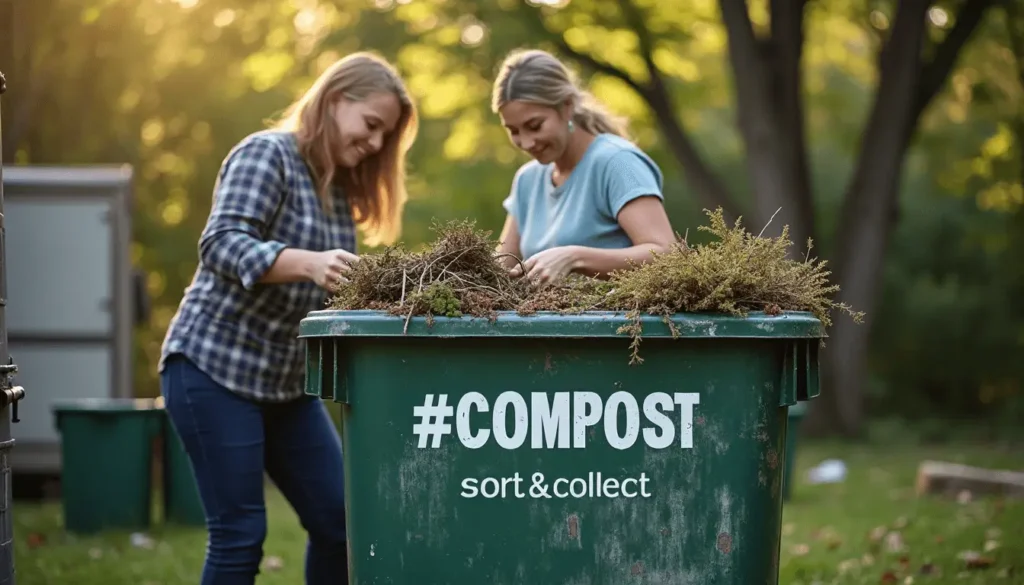
Composting represents an environmentally friendly solution for managing organic yard waste. By creating a dedicated compost area or bin, you can transform leaves, grass clippings, and small branches into nutrient-rich soil amendment. This not only reduces waste but also provides a valuable resource for gardening.
For more extensive yard cleanup projects, our guide on cost-effective junk removal can help you plan and budget your debris removal strategy effectively.
Tips for Efficient Yard Debris Collection:
- Wear protective gloves and clothing during collection
- Use lightweight, sturdy tools like rakes and garden bags
- Break down larger branches into manageable sections
- Schedule collection during dry weather for easier handling
- Consider renting a dumpster for large-scale yard cleanup projects
By implementing these smart sorting and collection techniques, Connecticut homeowners can manage yard debris more effectively, reduce environmental impact, and maintain a clean, attractive outdoor space.
Eco-Friendly Disposal and Recycling Options
Managing yard debris responsibly goes beyond simple removal. Connecticut residents have numerous eco-friendly options that minimize environmental impact while promoting sustainable waste management practices.
Local Composting and Recycling Initiatives
Connecticut is making significant strides in organic waste management. The Connecticut Department of Energy and Environmental Protection reports that composting can reduce household garbage volume by up to 25%, simultaneously returning valuable nutrients to the soil and decreasing reliance on chemical fertilizers.
Regional efforts are also gaining momentum. The Southeastern Connecticut Regional Resources Recovery Authority is developing a commercial-scale food waste composting facility. This innovative project aims to divert approximately 50,000 tons of compostable material annually from municipal solid waste streams, significantly reducing greenhouse gas emissions.
Municipal Yard Waste Collection Programs
Many Connecticut municipalities offer specialized yard waste collection services. For instance, the City of Hartford provides a comprehensive Yard Waste Collection Program that includes curbside collection of leaves and bundled branches, as well as convenient leaf bag drop-off options.
When planning yard debris disposal, consider these eco-friendly strategies:
- Separate organic materials for composting
- Use municipal yard waste collection services
- Explore local community composting programs
- Convert suitable materials into mulch
- Donate larger branches for community wood recycling projects
Professional Recycling and Disposal Services
For larger yard cleanup projects, professional services offer environmentally responsible disposal solutions. Our cost-effective trash pickup services can help streamline your yard debris management while ensuring proper recycling and disposal.
Key considerations for eco-friendly yard debris disposal include:
- Minimizing landfill contributions
- Reducing transportation emissions
- Supporting local recycling infrastructure
- Creating nutrient-rich compost
- Preserving natural resource cycles
By adopting these eco-friendly disposal and recycling options, Connecticut residents can transform yard maintenance from a waste management challenge into an opportunity for environmental stewardship. Each responsible choice contributes to a more sustainable community and helps protect our local ecosystem.
To help you quickly compare eco-friendly yard debris disposal options, here’s a summary table of common methods and their benefits:
| Disposal Option | How It Works | Key Benefits |
|---|---|---|
| Home Composting | Decompose debris onsite | Reduces waste, free soil amendment |
| Municipal Collection | Curbside or drop-off yard waste | Convenient, supports recycling |
| Community Compost Program | Local group or municipal composting | Shared resources, eco-friendly |
| Mulching | Shred/deposit debris on landscape | Prevents weeds, moisture retention |
| Professional Services | Hired pickup and eco disposal | Fast, handles large debris volumes |
| Wood Recycling | Donate larger branches/wood | Reduces landfill, supports reuse |
When to Call Emergency or Same-Day Removal Services
Some yard debris situations require immediate professional intervention. Understanding when to call emergency or same-day removal services can protect your property, ensure safety, and prevent potential long-term damage.
Critical Scenarios Requiring Immediate Debris Removal
Natural disasters and severe weather events often create urgent debris removal needs. According to the Connecticut Emergency Watershed Protection Program, immediate debris removal becomes critical in scenarios such as:
- Fallen trees blocking roads or driveways
- Storm debris threatening structural integrity of buildings
- Large branches near power lines
- Extensive yard damage after hurricanes or severe storms
- Potential safety hazards from accumulated debris
Connecticut state law authorizes emergency debris removal during declared disaster emergencies, allowing state agencies to clear public and private properties that might threaten public health or safety.
Identifying High-Risk Debris Situations
Certain yard debris conditions demand prompt professional attention. The Connecticut Department of Energy and Environmental Protection emphasizes the importance of pre-identifying potential debris management sites to expedite removal and reduce recovery costs.
High-risk situations that warrant immediate removal include:
- Extensive tree damage after storms
- Debris near electrical infrastructure
- Potential wildfire risks from dry vegetation
- Invasive plant species spread
- Debris blocking drainage systems
In these scenarios, professional emergency cleanup services can provide rapid response and mitigate potential damages.
Professional Assessment and Swift Action
Professional yard debris removal services offer several advantages during emergency situations:
- Rapid response times
- Specialized equipment for complex removals
- Safety expertise in handling hazardous debris
- Compliance with local environmental regulations
- Minimized risk of property damage
Before calling emergency services, document the damage with photographs and note specific areas of concern. This documentation can help insurance claims and provide clear guidance to removal professionals.
Key Indicators for Immediate Removal:
- Immediate safety threats
- Potential infrastructure damage
- Risk of environmental contamination
- Obstruction of critical pathways
- Potential health hazards
While not every yard debris situation requires emergency intervention, recognizing critical moments can save significant time, money, and potential property damage. Professional assessment provides peace of mind and ensures your property remains safe and clean during challenging circumstances.
Remember, when in doubt about the severity of yard debris, consulting with professional removal experts can help you make an informed decision about immediate action.
Cost-Saving Tips for Large and Small Properties
Managing yard debris removal costs effectively requires strategic planning and smart approaches tailored to your property’s unique characteristics. Whether you own a compact urban lot or expansive rural acreage, there are numerous ways to minimize expenses while maintaining a clean, well-maintained outdoor space.
DIY Strategies for Budget-Conscious Homeowners
Homeowners can significantly reduce yard debris removal expenses through proactive management techniques. Connecticut Department of Energy and Environmental Protection reports that composting yard waste can reduce household garbage volume by up to 25%, offering a cost-effective waste management solution.
Key DIY cost-saving strategies include:
- Creating a home composting system
- Investing in multipurpose yard tools
- Scheduling regular small-scale maintenance
- Learning basic pruning and landscaping techniques
- Sharing equipment with neighbors
Strategic Planning for Property Size Variations
Property size dramatically influences debris removal approaches and associated costs. Small properties benefit from compact, efficient removal methods, while larger properties require more comprehensive strategies.
For Small Properties:
- Use lightweight, manual tools
- Implement frequent, small-scale cleanup
- Consider compact waste collection containers
- Utilize municipal yard waste collection services
For Large Properties:
- Invest in professional-grade equipment
- Schedule bulk removal services
- Explore cost-effective junk removal options for extensive cleanup projects
- Develop a seasonal maintenance schedule
Collaborative and Community-Based Approaches
Community collaboration can substantially reduce individual yard debris removal expenses. Consider these innovative cost-sharing strategies:
- Coordinate neighborhood cleanup events
- Rent shared equipment with adjacent property owners
- Participate in local municipal waste collection programs
- Explore community composting initiatives
- Exchange yard maintenance services with neighbors
Additional Cost-Reduction Techniques:
- Negotiate group rates with local removal services
- Time your debris removal during off-peak seasons
- Properly maintain landscaping to minimize waste generation
- Learn basic waste reduction and recycling techniques
- Invest in long-term, durable landscaping solutions
By implementing a combination of these strategies, Connecticut property owners can effectively manage yard debris removal while keeping expenses manageable. The key is to remain proactive, flexible, and open to innovative waste management approaches that suit your specific property needs and budget constraints.
Frequently Asked Questions
What types of yard debris can I compost in Connecticut?
You can compost leaves, grass clippings, garden waste, and small branches. It’s important to avoid composting invasive or diseased plants.
How can I efficiently collect yard debris?
Invest in durable collection containers, use lightweight tools, and schedule collection during dry weather to make handling easier. Breaking down larger branches can also help.
When should I call for emergency yard debris removal services?
You should call for emergency services if there are fallen trees blocking access, extensive damage from storms, or debris causing safety hazards near electrical lines.
What community resources are available for yard debris disposal in Connecticut?
Connecticut offers various municipal yard waste collection programs, local composting initiatives, and recycling services to support eco-friendly yard debris management.
Turn Yard Cleanups Into Hassle-Free Successes With Local Experts
After learning top yard debris removal tips for Connecticut in 2025, you might realize that sorting, preparing, and disposing of all that yard waste can quickly become overwhelming. Heavy branches, scattered leaves, and unexpected storm debris often lead to stress, high costs, and safety worries. When you need safe, eco-friendly disposal and fast solutions for routine or storm-related cleanup, why spend hours struggling with the mess?
Take control now by choosing a local partner who truly understands Connecticut properties. Get a quick, no-obligation price from our family-owned team—just visit our online quote page. If you are looking for reliable, same-day support or want to see how easy yard waste removal can be, get started here. Your backyard deserves expert care—make your cleanout stress-free today.
Recommended
- Connecticut Dumpster Rental | C&M Carting Solutions
- What’s The Cheapest Way to Get Rid of Junk?
- How To Get Rid Of Yard Waste – C&M Carting Solutions
- Affordable 25-Yard Dumpster Rental | C&M Carting Solutions
- 12-Yard Dumpster Rentals Litchfield | C&M Carting Solutions
- Affordable 15-Yard Dumpster Rental | C&M Carting Solutions