

Table of Contents
7 Smart Appliance Recycling Options for Your Area
Figuring out what to do with your old appliances can be confusing and stressful. Some areas issue fines of up to $500 for improper disposal and have strict recycling rules most people do not know about. It sounds overwhelming, right? Most people think tossing a broken fridge or washing machine is just about getting it out of the house. The truth is, you might have more options than you think and a few of them could even save you money or help someone in need.
Table of Contents
- Understand Local Recycling Regulations
- Explore Municipal Recycling Programs
- Consider Retailer Take-Back Programs
- Find Certified E-Waste Recycling Centers
- Look Into Donation Options For Working Appliances
- Hire A Junk Removal Service
- Learn About Upcycling And Repurposing
Quick Summary
| Takeaway | Explanation |
|---|---|
| Know Local Recycling Regulations | Research your area’s specific guidelines to avoid fines and environmental damage. |
| Utilize Municipal Recycling Programs | Local governments often provide free disposal options and collection events for appliances. |
| Explore Retailer Take-Back Programs | Major retailers offer convenient recycling for old appliances, often with incentives. |
| Consider Certified E-Waste Centers | Certified centers ensure safe disposal and recycling of hazardous appliance components. |
| Donate Functional Appliances | Donate working appliances to help those in need while reducing waste. |
1: Understand Local Recycling Regulations
Before diving into appliance recycling options, understanding your local regulations is crucial. Different municipalities have varying guidelines for disposing of large electronic and household appliances. Improper disposal can result in fines or environmental penalties.
According to the U.S. Nuclear Regulatory Commission, every region has specific waste management protocols that residents must follow. These regulations help protect the environment and ensure safe handling of potentially hazardous materials found in appliances.
Key considerations when researching local recycling regulations include:
- Specific guidelines for different types of appliances (refrigerators, washers, dryers)
- Designated drop-off locations or collection schedules
- Potential fees or restrictions on appliance disposal
To navigate these regulations effectively, start by contacting your local waste management department or environmental agency. They can provide precise information about:
- Recycling center locations
- Acceptable appliance conditions for recycling
- Required preparation steps before disposal
Additionally, check if your area has any specialized junk disposal laws that might impact appliance recycling. Some regions offer specialized programs for electronic waste that can help you responsibly dispose of your old appliances while potentially avoiding disposal fees.
Remember that proper research can save you time, money, and potential legal complications when recycling household appliances.
2: Explore Municipal Recycling Programs
Municipal recycling programs offer convenient and environmentally responsible solutions for appliance disposal. Local governments frequently provide structured systems to help residents recycle large electronic equipment safely and efficiently.
According to the United States Environmental Protection Agency, many municipalities organize specialized recycling events and maintain dedicated collection centers for appliances. These programs are designed to minimize environmental impact and promote sustainable waste management.
Key benefits of municipal recycling programs include:
- Free or low-cost disposal options
- Environmentally controlled processing of electronic waste
- Reduction of hazardous materials in landfills
To take full advantage of these programs, residents should:
- Contact local waste management departments
- Check seasonal collection schedules
- Verify specific appliance acceptance criteria
Some municipalities even partner with local trash and junk removal services to streamline the recycling process. These collaborative efforts make appliance disposal more accessible and convenient for homeowners.
Preparation is key when participating in municipal recycling programs. Most require appliances to be clean, free of personal items, and in a condition that allows safe handling. Some centers might request minor disassembly or specific positioning of larger items.
Additional resources like community bulletin boards, municipal websites, and local government offices can provide up-to-date information about recycling program details and requirements. By leveraging these municipal resources, residents can contribute to environmental sustainability while efficiently disposing of unwanted appliances.
3: Consider Retailer Take-Back Programs
Retailer take-back programs provide an increasingly popular and convenient method for responsibly recycling appliances. Many major retailers have developed structured initiatives to help consumers dispose of old electronic equipment and large home appliances with minimal hassle.
According to the U.S. Environmental Protection Agency, these programs play a critical role in promoting environmentally sustainable disposal practices. Retailers recognize their responsibility in managing electronic waste and offer various recycling solutions for consumers.
Key advantages of retailer take-back programs include:
- Free or low-cost disposal options
- Convenient drop-off locations
- Guaranteed environmentally responsible processing
When exploring these programs, consumers should consider the following important factors:
- Potential trade-in or store credit offerings
- Specific appliance type acceptance criteria
- Any associated preparation or packaging requirements
Some retailers like Best Buy, Home Depot, and Lowe’s have comprehensive electronics recycling initiatives. These programs often accept a wide range of appliances, from small kitchen gadgets to large refrigerators. Learn more about local junk removal strategies that can complement these retailer programs.
Before participating, verify the specific guidelines of each retailer. Some may require advance scheduling, while others offer walk-in recycling services. Many programs also provide documentation for responsible disposal, which can be useful for environmental compliance or personal record-keeping.
Additional considerations include potential data removal for smart appliances and ensuring the item is clean and free from personal belongings. By leveraging retailer take-back programs, consumers can contribute to sustainable waste management while potentially receiving modest financial incentives or store credits.
4: Find Certified E-Waste Recycling Centers
Certified e-waste recycling centers provide a professional and environmentally responsible solution for disposing of old appliances. These specialized facilities ensure that electronic equipment is processed safely, minimizing environmental impact and preventing hazardous materials from entering landfills.
According to the U.S. Environmental Protection Agency, certified e-waste recycling centers follow strict guidelines for handling electronic waste. They are equipped to manage complex appliance components that require specialized disposal techniques.
Key characteristics of certified e-waste recycling centers include:
- Compliance with federal and state environmental regulations
- Advanced processing technologies
- Secure data destruction capabilities
- Certified downstream material management
When searching for a suitable e-waste recycling center, consider the following important factors:
- Verification of recycling center certifications
- Transparent processing methods
- Environmental sustainability practices
Professional recycling centers offer several advantages over traditional disposal methods. They can safely extract valuable materials like metals and rare earth elements from appliances, reducing the need for new resource extraction. Check out our appliance removal tips to prepare your items for recycling.
Most certified centers accept a wide range of appliances, including:
- Refrigerators
- Washing machines
- Dryers
- Dishwashers
- Microwave ovens
Before dropping off your appliances, contact the recycling center to confirm their specific acceptance criteria and any preparation requirements. Some centers may charge a small processing fee, while others offer free disposal services.
By choosing a certified e-waste recycling center, you contribute to environmental conservation and support responsible electronic waste management practices.
5: Look into Donation Options for Working Appliances
Donating functional appliances offers an environmentally responsible and socially beneficial alternative to traditional disposal methods. These donation options help extend the lifecycle of usable equipment while supporting community members in need.
According to the U.S. Environmental Protection Agency, donating working appliances conserves natural resources and reduces electronic waste. This approach provides significant environmental and social advantages.
Before donating, assess your appliance’s condition using these criteria:
- Fully functional without major repairs
- Clean and presentable
- No significant cosmetic damage
- All original components intact
Potential donation destinations include:
- Local charitable organizations
- Community shelters
- Religious institutions
- Nonprofit housing programs
- Vocational training centers
Preparing your appliance for donation requires careful attention to detail. Explore our comprehensive appliance removal guide to understand best practices for preparing items for donation.
Before donating, contact the organization to confirm:
- Their specific appliance acceptance requirements
- Pickup or drop-off procedures
- Any potential tax deduction documentation
Some organizations might offer free pickup services for larger appliances like refrigerators or washing machines. This can simplify the donation process and ensure your functional appliance finds a new home.
By choosing donation, you contribute to community support, reduce electronic waste, and provide valuable resources to individuals and organizations in need. Always prioritize donation for appliances that are still in good working condition.
6: Hire a Junk Removal Service
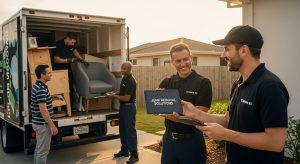
Hiring a professional junk removal service offers a comprehensive and convenient solution for appliance disposal. These specialized services handle the entire removal process, from pickup to responsible recycling or disposal.
According to the U.S. Environmental Protection Agency, responsible appliance disposal requires specialized handling to minimize environmental impact. Professional junk removal services are trained to manage this process efficiently.
Key advantages of hiring a junk removal service include:
- Comprehensive removal of large appliances
- Proper handling of potentially hazardous materials
- Time and effort savings for homeowners
- Environmentally responsible disposal methods
When selecting a junk removal service, consider these critical factors:
- Verified recycling and disposal certifications
- Transparent pricing structure
- Service area and availability
- Customer reviews and reputation
Professional removal services provide more than just transportation. They understand the complex requirements for appliance disposal, ensuring that each item is processed according to local and federal regulations. Learn more about comparing junk removal options to make an informed decision.
Most junk removal services offer additional benefits such as:
- Same-day or scheduled pickup
- No-obligation cost estimates
- Complete site cleanup after removal
- Donation or recycling of suitable items
Before scheduling, prepare your appliances by clearing the surrounding area and ensuring easy access. Remove any personal items and disconnect utilities if necessary. Most services will handle the heavy lifting and transportation, making the disposal process seamless and stress-free.
By choosing a professional junk removal service, you ensure responsible disposal while saving time and avoiding the physical strain of moving large appliances yourself.
7: Learn About Upcycling and Repurposing
Upcycling and repurposing offer creative alternatives to traditional appliance disposal, transforming old equipment into functional and artistic pieces. This approach not only reduces waste but also provides an opportunity for innovative reuse of materials.
According to the Institute for Cooperative Upcycling of Plastics, innovative recycling techniques can convert used materials into higher-value products, demonstrating the potential for creative waste management.
Common upcycling opportunities for appliances include:
- Converting refrigerator shelves into unique wall organizers
- Transforming washing machine drums into fire pits
- Creating planters from old dishwashers
- Designing industrial-style lighting from microwave components
Before starting an upcycling project, consider these important factors:
- Your personal skill level
- Available tools and workspace
- Safety considerations
- Potential market or personal use for the repurposed item
DIY enthusiasts and creative professionals can find numerous possibilities for giving old appliances new life. Explore renovation debris recycling techniques to understand more about sustainable material reuse.
Some appliances are particularly well-suited for upcycling:
- Refrigerators with unique structural designs
- Washing machines with sturdy metal components
- Vintage stoves with interesting architectural elements
Upcycling requires careful deconstruction and cleaning of appliance parts. Remove potentially hazardous materials like refrigerants or electrical components before beginning your project. Online communities and social media platforms offer extensive resources, tutorials, and inspiration for transforming old appliances into functional art.
By embracing upcycling, you contribute to waste reduction while expressing creativity and environmental consciousness.
The table below provides a comprehensive summary of the key appliance recycling options, benefits, and considerations discussed throughout the article.
| Recycling Option | Main Features & Steps | Key Benefits |
|---|---|---|
| Local Recycling Regulations | Research municipal rules, contact waste departments, understand fees and preparation steps | Avoid fines, ensure compliance, protect environment |
| Municipal Recycling Programs | Use local government events or collection centers, check schedules and requirements | Free or low-cost, eco-friendly, safe local disposal |
| Retailer Take-Back Programs | Drop-off at major retailers (e.g., Best Buy), check for trade-ins/incentives, confirm appliance criteria | Convenient, may offer credits, responsible processing |
| Certified E-Waste Recycling Centers | Find and verify certified centers, prepare items, inquire about any fees and accepted appliances | Safe hazardous waste handling, resource recovery, regulatory compliance |
| Donation of Working Appliances | Assess appliance condition, contact charities, arrange pickup or drop-off, request tax documentation | Supports community, reduces waste, may offer tax deductions |
| Junk Removal Services | Hire professionals, review pricing and certifications, clear access path, disconnect utilities | Hassle-free, handles heavy lifting, ensures compliant recycling or disposal |
| Upcycling and Repurposing | Creative projects (e.g., fire pits, planters), consider skill level, safety, and appliance deconstruction | Reduces waste, personal/creative use, promotes sustainability |
Make Appliance Recycling Effortless With Local Experts
Struggling to recycle old appliances while navigating confusing local rules and complex disposal options can feel overwhelming. From understanding local recycling regulations to finding certified centers or arranging donation pickups, the process is often complicated and time-consuming. The article highlights the real challenges homeowners and businesses face, including how to responsibly dispose of bulky appliances, avoid fines, ensure items make it to the right place, and reclaim valuable space without the headache.
There is a faster, safer, and more reliable way to get it done in Litchfield County. CM Carting Solutions offers professional junk removal and eco-friendly appliance recycling, so you save time and have peace of mind that your items are handled the right way. Our team manages everything for you, from pickup to cleanup, following local compliance rules so you do not need to worry about penalties or improper disposal. Choose the convenient way to clear out old appliances today. Get your space back, support sustainable disposal, and enjoy transparent pricing when you request an online quote now. Take control of your clutter—act now to schedule responsible recycling with a trusted local service.
Frequently Asked Questions
What are the local regulations for recycling appliances?
Understanding local regulations for recycling appliances is crucial, as different areas have specific guidelines for the disposal of large electronic and household appliances. Improper disposal can lead to fines. Contact your local waste management department for precise information.
Are there any benefits to municipal recycling programs for appliances?
Municipal recycling programs offer environmentally controlled processing, minimize the environmental impact, and often provide free or low-cost disposal options for large appliances. These initiatives help residents recycle their equipment efficiently.
How can retailer take-back programs help with appliance disposal?
Retailer take-back programs provide a convenient method for recycling appliances. Many major retailers offer these programs, allowing consumers to dispose of their old appliances with free or low-cost options and ensuring environmentally responsible processing.
What should I consider before donating my old appliances?
Before donating an appliance, ensure it is fully functional, clean, and free from major cosmetic damage. Additionally, check with the donation organization for their specific acceptance criteria, pickup options, and potential tax deduction documentation.