


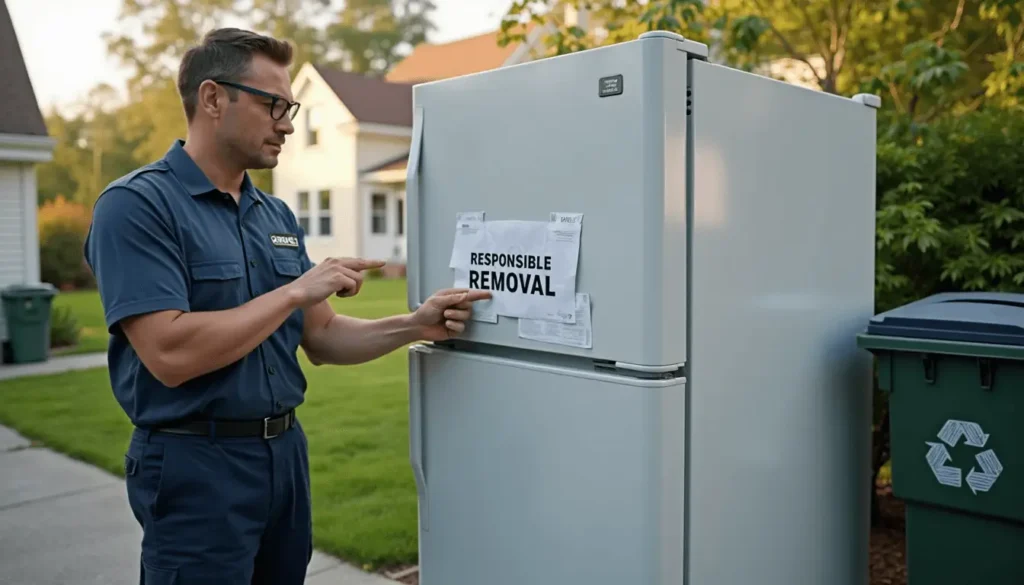
Getting rid of old appliances in Connecticut is not as simple as hauling them to the curb. Here’s the surprise. Connecticut’s electronic recycling law has made it illegal to toss devices like TVs and computers in the regular trash since 2011, and improper disposal can hit you with steep fines. What most people miss is this: making the right move not only helps you avoid legal trouble, it also supports a statewide push for sustainability and cleaner communities.
Table of Contents
- Understanding Connecticut Appliance Removal Rules
- Step-By-Step Appliance Removal Process
- Eco-Friendly Disposal And Recycling Options
- Choosing Same-Day And Emergency Removal Services
Quick Summary
| Takeaway | Explanation |
|---|---|
| Understand State Regulations | Familiarize yourself with Connecticut’s specific appliance disposal regulations to avoid fines and ensure environmentally responsible practices. |
| Conduct a Thorough Assessment | Before removal, evaluate the appliance’s condition and plan the best way to disconnect it safely, considering any hazardous components. |
| Choose Eco-Friendly Disposal Options | Select responsible disposal methods such as recycling or donation to minimize environmental impact and support sustainability. |
| Opt for Professional Services | Consider hiring certified professionals for appliance removal to navigate complex regulations and ensure safe disposal. |
| Know When to Use Emergency Services | Identify urgent removal scenarios, such as malfunctioning appliances or safety risks, and select a service equipped for rapid response and safe handling. |
Understanding Connecticut Appliance Removal Rules
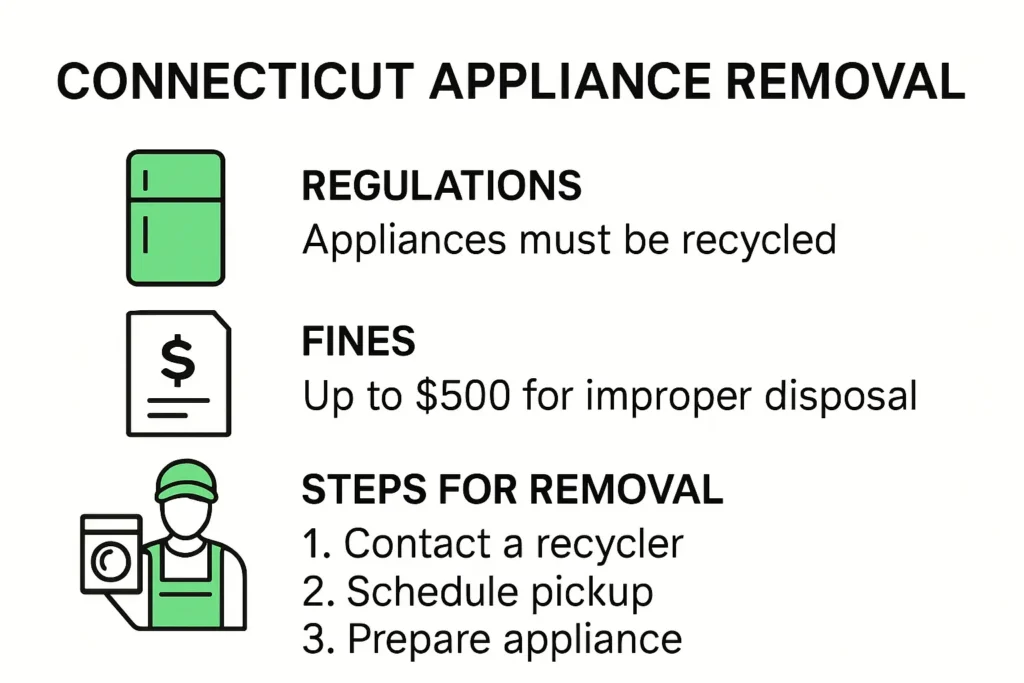
Removing appliances in Connecticut requires more than simply dragging an old refrigerator to the curb. Residents must navigate specific state regulations designed to protect the environment and ensure responsible disposal. Understanding these rules can help you avoid potential fines and contribute to sustainable waste management practices.
State Environmental Regulations for Appliance Disposal
Connecticut takes electronic and appliance waste seriously. The state’s Department of Energy and Environmental Protection (DEEP) has established clear guidelines for disposing of different types of appliances. Learn more about our disposal services that align with these important regulations.
Refrigerators and air conditioners require special handling due to their refrigerant content. According to the Connecticut DEEP portal, residents must work with certified professionals who can safely remove and recover harmful substances like chlorofluorocarbons (CFCs) before disposal. These regulations prevent ozone-depleting substances from entering the environment.
Electronic Waste Recycling Requirements
Connecticut’s Electronic Recycling Law, implemented in 2011, prohibits disposing of electronic devices in standard waste facilities. The state regulations specifically mandate proper recycling for devices including:
- Computers
- Monitors
- Printers
- Televisions
- Other covered electronic devices
Homeowners and businesses must ensure these items are processed through approved recycling channels. Improper disposal can result in significant environmental penalties and potential fines.
Safe Storage and Handling Guidelines
Before disposal, Connecticut’s Universal Waste regulations require careful management of electronic and appliance waste. State guidelines mandate that used electronics and appliances be stored in a manner preventing environmental exposure. This means keeping items dry, preventing potential chemical leakage, and ensuring they remain intact until proper recycling or disposal can occur.
Residents should consider professional removal services that understand these complex regulations. By choosing experts familiar with Connecticut’s specific requirements, you can ensure your appliances are disposed of safely, legally, and environmentally responsibly. Each appliance type may have unique disposal protocols, making professional guidance crucial in navigating these intricate state guidelines.
Remember, responsible appliance removal is not just about clearing space in your home. It’s about protecting our environment and supporting sustainable waste management practices that benefit our entire community.
To help clarify the disposal rules for various types of appliances and devices in Connecticut, the following summary table highlights their requirements and considerations discussed above:
| Appliance/Device | Special Handling Required | Must Use Certified Professional | Covered by Electronic Law | Notes |
|---|---|---|---|---|
| Refrigerator | Yes | Yes | No | Due to refrigerants (CFCs) – requires special recovery before disposal |
| Air Conditioner | Yes | Yes | No | Contains CFCs—must be handled by pros |
| Computer | No | No | Yes | Prohibited from regular trash – must use approved recyclers |
| Television | No | No | Yes | Prohibited from regular trash – must use approved recyclers |
| Printer | No | No | Yes | Must go to an approved recycling channel |
| Other Electronic Devices | No | No | Yes | Includes monitors etc.—must use proper recycling |
| Other Large Appliances | Varies | Varies | No | Check for hazardous components (mercury, chemicals); may require special handling in some circumstances |
Step-by-Step Appliance Removal Process
Removing large appliances requires careful planning and execution. Whether you are upgrading your home equipment or clearing out an old property, understanding the systematic approach to appliance removal ensures safety, efficiency, and environmental responsibility. Our comprehensive removal guide can help you navigate this process seamlessly.
Initial Assessment and Preparation
Before removing any appliance, conduct a thorough assessment. The Environmental Protection Agency recommends evaluating the appliance’s condition, size, and potential hazardous components. Unplug the appliance and disconnect any water or gas lines carefully. For refrigerators and air conditioners, professional intervention is crucial due to refrigerant handling requirements.
Take measurements of doorways, hallways, and staircases to ensure the appliance can be safely maneuvered out of your property. Consider the following preparation steps:
- Measure the appliance and potential exit routes
- Clear a path for removal
- Gather necessary tools like dolly, straps, and protective coverings
- Wear appropriate safety gear
Safe Removal and Transportation Protocols
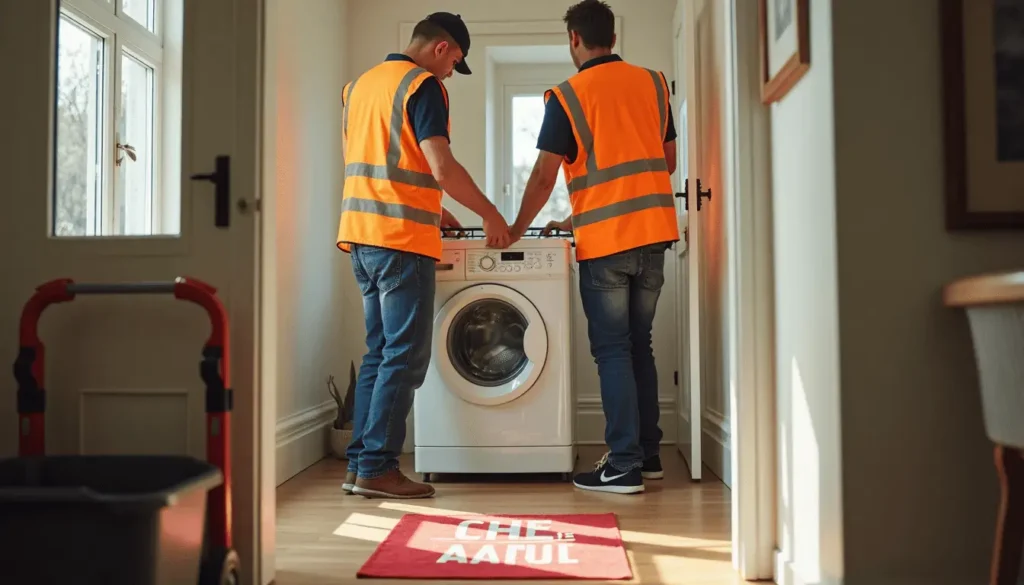
According to OSHA safety guidelines, proper handling during appliance removal is critical to prevent injuries and environmental contamination. Large appliances can be heavy and awkward to move, requiring strategic lifting techniques and potentially specialized equipment.
For electronic appliances containing potentially hazardous materials, the EPA’s Responsible Appliance Disposal (RAD) program emphasizes the importance of professional handling. Key transportation considerations include:
- Using appropriate lifting techniques
- Employing mechanical assistance like dollies
- Securing the appliance during transport
- Preventing potential fluid or component leakage
Disposal and Recycling Options
Once removed, appliances have multiple potential destinations. Depending on the item’s condition, you can choose from several environmentally responsible disposal methods. Some options include:
- Donating functional appliances to local charities
- Recycling through certified electronic waste facilities
- Utilizing specialized appliance removal services
- Participating in manufacturer take-back programs
Professional removal services understand the complex regulations surrounding appliance disposal. They can efficiently manage the entire process, from safe extraction to environmentally compliant disposal. By choosing experts, you minimize potential risks and ensure your appliances are processed according to local and federal guidelines.
Remember, every appliance removed is an opportunity to contribute to sustainable waste management. Careful planning, safety precautions, and responsible disposal practices not only clear your space but also protect our environment.
The following table summarizes the key steps of the appliance removal process and their important considerations for safety and compliance:
| Removal Step | Key Actions & Considerations |
|---|---|
| Assessment & Preparation | Check appliance condition, disconnect power/gas/water, measure appliance & pathways, prep tools & safety gear |
| Safe Removal | Use proper lifting/mechanical aids, clear removal path, follow OSHA safety guidelines |
| Transportation | Secure item, prevent leaks/spills, use appropriate conveyances |
| Disposal/Recycling Decision | Choose among donation, certified recycling, removal services, or take-back programs |
| Compliance & Documentation | Ensure legal disposal, keep record for regulated items (esp. refrigerants, electronics) |
Eco-Friendly Disposal and Recycling Options
Responsible appliance disposal goes beyond simply removing unwanted equipment. It involves understanding the environmental impact of each item and selecting the most sustainable disposal method. Explore our cost-effective disposal solutions that prioritize both environmental preservation and economic efficiency.
Responsible Refrigerant and Material Recovery
The Environmental Protection Agency’s Responsible Appliance Disposal (RAD) program highlights the critical importance of proper appliance recycling. Large appliances like refrigerators and air conditioners contain complex components that require specialized handling. According to ENERGY STAR, proper recycling can prevent significant environmental damage.
Key materials requiring careful extraction include:
- Refrigerants
- Insulating foam
- Mercury-containing components
- Hazardous chemical compounds
Professional recycling ensures these substances are safely recovered and processed, preventing potential ozone depletion and greenhouse gas emissions. The RAD program partners with utilities, manufacturers, and recycling centers to maximize environmental protection during appliance disposal.
Metal and Component Recycling Strategies
ENERGY STAR recommendations emphasize the importance of comprehensive appliance recycling. Most appliances contain valuable recyclable metals like steel, aluminum, and copper. By systematically dismantling and processing these materials, recycling facilities can:
- Reduce raw material extraction
- Minimize energy consumption
- Lower manufacturing carbon footprint
- Conserve natural resources
Certified recycling centers follow strict environmental protocols to ensure maximum material recovery. They meticulously separate different metals and components, creating a circular economy that reduces waste and promotes sustainability.
Community and Manufacturer Recycling Programs
Many manufacturers and local organizations offer specialized appliance recycling initiatives. These programs often provide incentives for responsible disposal, such as rebates or free pickup services. The Iowa Department of Natural Resources exemplifies best practices by mandating that all discarded appliances be processed by permitted demanufacturers.
Consumers can explore multiple recycling options:
- Manufacturer take-back programs
- Local utility company recycling events
- Municipal recycling centers
- Specialized electronic waste facilities
By choosing eco-friendly disposal methods, you contribute to a larger environmental solution. Each responsibly recycled appliance represents a step toward reducing electronic waste and conserving valuable resources. Professional removal services can guide you through these complex recycling landscapes, ensuring your old appliances are processed with maximum environmental consideration.
Remember, sustainable appliance disposal is not just about removing an old item. It is about making informed choices that protect our planet’s future.
Choosing Same-Day and Emergency Removal Services
When urgent appliance removal becomes necessary, understanding how to select the right emergency service can make all the difference. Learn about our comprehensive removal solutions that address your most time-sensitive needs. Emergency appliance removal requires swift action, specialized equipment, and a professional approach to ensure safe and efficient disposal.
Identifying Urgent Removal Scenarios
Emergency appliance removal isn’t just about convenience. According to the Environmental Protection Agency’s Responsible Appliance Disposal (RAD) program, certain situations demand immediate professional intervention. Critical scenarios include:
- Electrical appliances posing immediate safety risks
- Water-damaged equipment requiring rapid removal
- Malfunctioning refrigeration units threatening food safety
- Appliances involved in property transactions or evictions
These situations require more than standard removal services. Professional teams understand the complexities of swift, safe appliance extraction, ensuring minimal disruption and maximum safety. Immediate removal prevents potential environmental hazards and protects your property from further damage.
Evaluating Emergency Removal Service Capabilities
Not all removal services are equipped to handle urgent requests. National Grid’s Appliance Recycling Program emphasizes the importance of choosing a service with comprehensive capabilities. Key factors to consider include:
- 24/7 availability
- Rapid response times
- Specialized equipment for complex removals
- Compliance with environmental regulations
- Proper disposal and recycling infrastructure
The California Department of Toxic Substances Control recommends verifying a removal service’s certification and expertise in handling hazardous materials. Emergency scenarios often involve delicate equipment or potentially dangerous components that require professional management.
Cost and Logistical Considerations
Emergency removal services typically come at a premium. Homeowners and businesses should understand the factors influencing pricing and logistics. Important considerations include:
- Distance and accessibility of the appliance
- Size and weight of the equipment
- Complexity of removal
- Immediate disposal requirements
- Additional environmental processing needs
Transparency is crucial. Reputable services provide upfront pricing and clear communication about the entire removal process. Some providers offer bundled services that include removal, transportation, and environmentally responsible disposal, potentially reducing overall costs.
Choosing the right emergency appliance removal service goes beyond immediate convenience. It represents a commitment to safety, environmental responsibility, and efficient property management. By understanding your specific needs and carefully evaluating service capabilities, you can navigate urgent removal scenarios with confidence and peace of mind.
Remember, in emergency situations, expertise matters. A professional removal service doesn’t just take away an appliance they provide a comprehensive solution that protects your property, your safety, and the environment.
Frequently Asked Questions
What are the rules for appliance removal in Connecticut?
Connecticut has strict regulations for appliance disposal, particularly concerning electronic waste. Many appliances, like refrigerators and air conditioners, must be handled by certified professionals to ensure safe removal and recycling, especially since they contain hazardous materials like refrigerants.
How can I safely dispose of old electronic devices?
Under Connecticut’s Electronic Recycling Law, it is illegal to dispose of electronic devices like TVs and computers in regular trash. These items must be taken to certified recycling facilities to avoid fines and protect the environment.
What are eco-friendly disposal options for appliances?
Eco-friendly disposal options include donating functional appliances, recycling through certified centers, and participating in manufacturer take-back programs. These methods help reduce waste and promote sustainability in your community.
When should I consider emergency appliance removal services?
Emergency appliance removal is crucial in scenarios where safety is at risk, such as malfunctioning refrigerators threatening food safety or damaged appliances that may cause further property damage. Choosing a service with rapid response and proper expertise is important to ensure safe handling.
Make Appliance Removal Stress-Free and Compliant in Connecticut
Are you feeling overwhelmed by complicated appliance disposal regulations and the risk of costly fines in Connecticut? The article makes it clear how tricky proper appliance removal can be with rules about refrigerant recovery, safe storage, and electronic waste laws. It’s easy to worry about making mistakes, especially when you just want unwanted items gone quickly and your home or business cleared.
CM Carting Solutions is your local answer to these challenges. Save yourself the hassle and guesswork by choosing a team that already knows every Connecticut rule for safe, eco-friendly disposal. We handle everything from careful removal to responsible recycling and donation. See how easy it is to get professional help by visiting our furniture and appliance removal service page. Get the peace of mind you deserve and avoid the stress of state compliance issues. Do not let old appliances clutter your property or put you at risk for penalties. Act now for a cleaner, safer home or business. Get your fast, free quote today at CM Carting Solutions.