


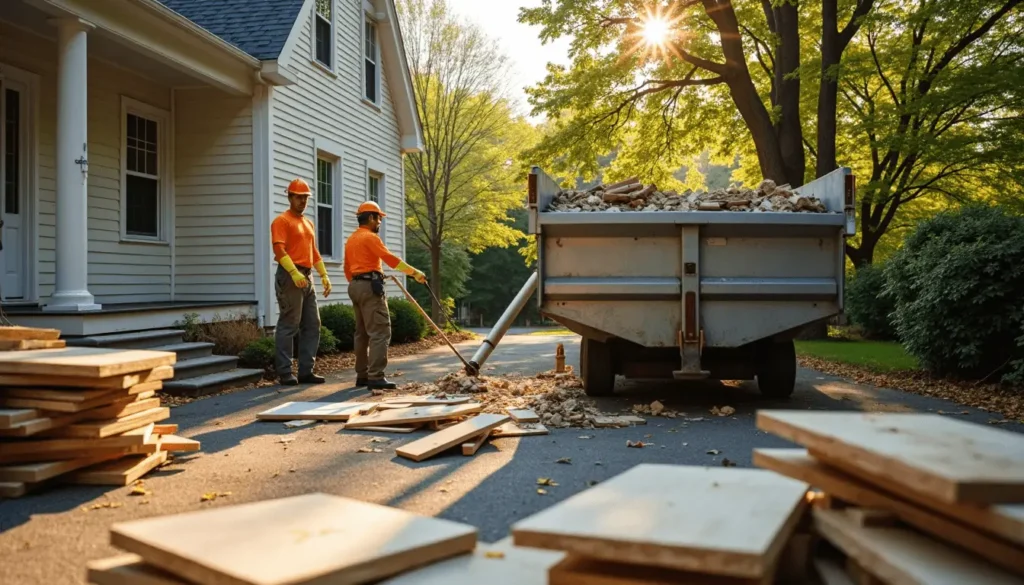
Home renovation projects in Connecticut churn out an astonishing volume of waste. A single kitchen remodel can generate over three tons of debris. Most people focus on picking tile colors and paint swatches. Yet the real challenge comes when you have to clear out hazardous materials and piles of junk—and local disposal rules are stricter than you think. Those hidden legal and environmental hurdles can cost you more than you expect if you skip a step.
Table of Contents
- Understanding Home Renovation Debris Types
- Safe And Efficient Cleanup Methods For Homes & Businesses
- Connecticut Disposal Rules And Environmentally Friendly Options
- Same-Day And Emergency Debris Removal Services
Quick Summary
| Takeaway | Explanation |
|---|---|
| Understanding Debris Types is Crucial | Home renovation generates diverse waste streams, including structural debris, finishing materials, and hazardous substances, necessitating careful management for effective cleanup and disposal in Connecticut. |
| Professional Cleanup Services Are Essential | Engaging specialized services ensures safe management of hazardous materials, compliance with regulations, and thorough cleanup processes that mitigate environmental risks. |
| Follow Connecticut’s Disposal Regulations | Adhering to state laws regarding debris disposal, such as mandatory separation of hazardous materials and proper documentation, is critical to avoid legal complications and promote environmental responsibility. |
| Utilize Environmentally Friendly Disposal Options | Homeowners can minimize environmental impact by recycling materials, donating reusable items, and implementing waste reduction strategies during renovations. |
| Emergency Debris Removal Requires Prompt Action | For urgent situations, swift assessment and compliance with state regulations for waste management are vital, alongside the use of specialized services for effective debris containment and disposal. |
Understanding Home Renovation Debris Types
Home renovation projects generate complex waste streams that require careful management and strategic disposal. Understanding the various types of debris is crucial for effective cleanup and responsible waste management in Connecticut.
Construction and Demolition Waste Categories
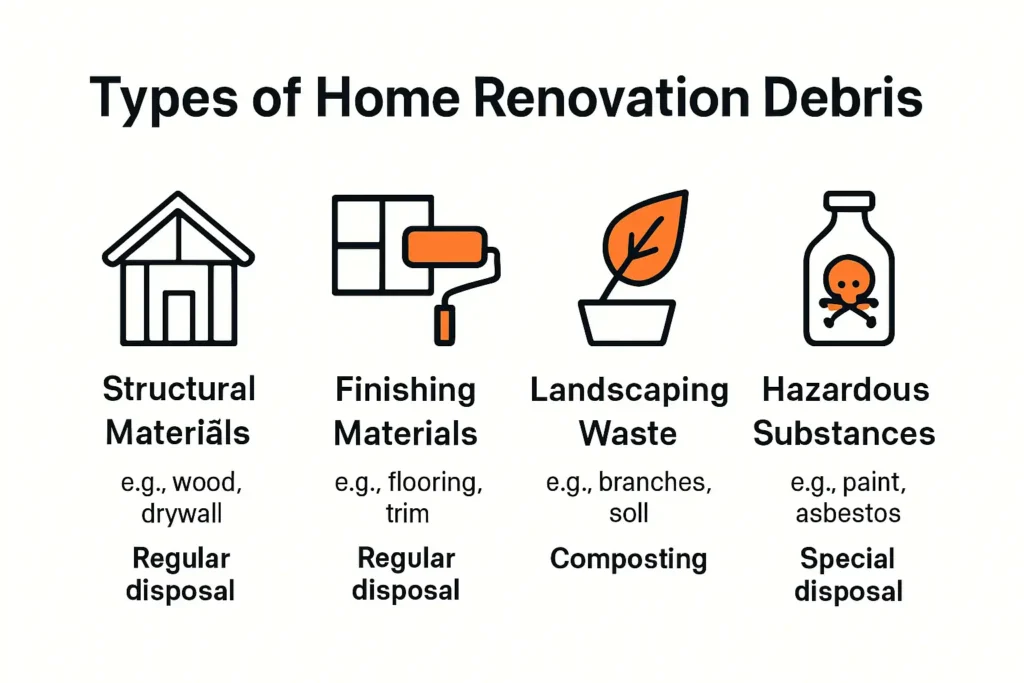
Construction and demolition (C&D) waste encompasses a broad range of materials generated during home renovation projects. According to the Connecticut Department of Energy and Environmental Protection, these materials include structural components, finishing materials, and potential hazardous substances.
Primary debris types include:
- Structural Debris: Wood framing, drywall, roofing materials, concrete, and metal components
- Finishing Materials: Flooring, tiles, carpeting, paint, insulation, and electrical wiring
- Landscaping Waste: Trees, stumps, brush, and other land-clearing materials
Hazardous Material Considerations
Renovation debris can contain potentially dangerous substances that require specialized handling. Environmental research highlights that some renovation materials may include hazardous components such as:
- Asbestos in older building materials
- Lead-based paint
- Chemical residues from solvents and finishes
- Electronic waste from replaced fixtures and appliances
Homeowners must exercise caution and potentially engage professional services to safely manage these materials. Improper disposal can lead to environmental contamination and potential legal challenges.
Waste Management and Disposal Strategies
Proper segregation of renovation debris is essential for effective disposal. Different materials require unique handling approaches. Land-clearing debris, for instance, cannot be buried on-site and must be sent to permitted recycling or disposal facilities. Learn more about efficient debris management to streamline your renovation cleanup process.
By understanding these debris types and their specific disposal requirements, Connecticut homeowners can ensure safer, more environmentally responsible renovation projects while avoiding potential regulatory complications.
Safe and Efficient Cleanup Methods for Homes & Businesses
Effective home renovation debris cleanup requires strategic planning, specialized techniques, and adherence to local regulations. Connecticut property owners must navigate complex waste management protocols to ensure safe, responsible disposal of renovation materials.
Systematic Debris Sorting and Preparation
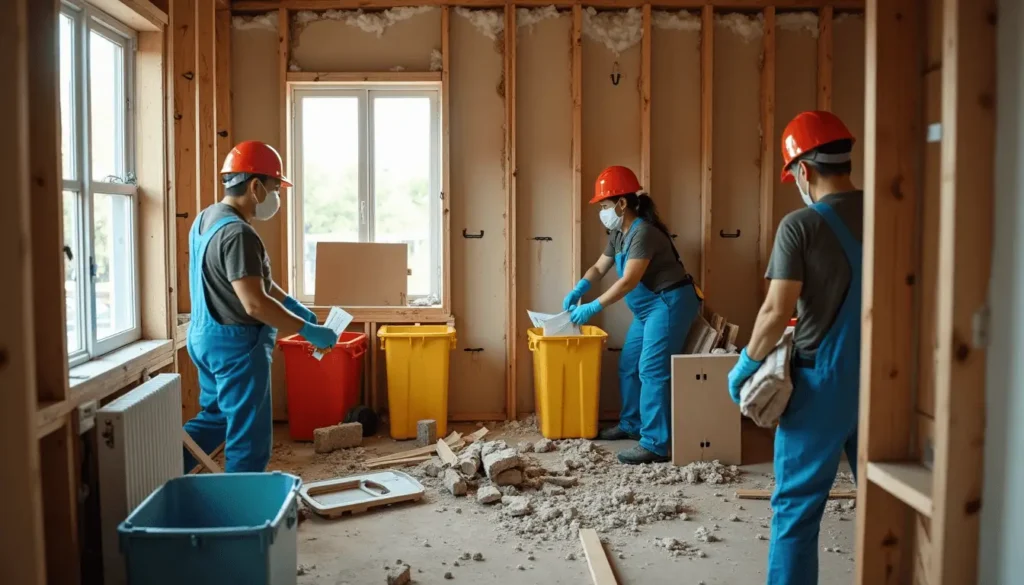
Preparing for renovation debris cleanup involves methodical sorting and categorization. Connecticut Department of Public Health recommends comprehensive inspection and systematic separation of materials before disposal. This process minimizes environmental risks and streamlines waste management.
Key preparation steps include:
- Segregate materials by type: recyclables, hazardous waste, and general construction debris
- Use designated containers for different waste categories
- Wear appropriate personal protective equipment during sorting
- Document waste types and quantities for proper tracking
Professional Cleanup and Contamination Management
Professional cleanup services are crucial for managing complex renovation debris. According to Connecticut’s Release-Based Cleanup Regulations, property owners must report contamination immediately and follow specific cleanup timelines.
Specialized cleanup considerations include:
- Hazardous material identification and safe removal
- Lead and asbestos abatement procedures
- Post-cleanup environmental testing
- Compliance with state and federal disposal regulations
Efficient Waste Disposal Strategies
Disaster and renovation debris management requires coordinated removal and environmentally responsible disposal. Connecticut’s disaster debris management plans emphasize systematic approach to waste management for residential and commercial properties.
Learn more about comprehensive property cleanout strategies to ensure your renovation project meets all safety and environmental standards. Professional guidance can help navigate complex cleanup requirements while minimizing potential risks and legal complications.
By implementing these systematic cleanup methods, Connecticut property owners can transform renovation debris management from a daunting task into a structured, safe, and efficient process.
Connecticut Disposal Rules and Environmentally Friendly Options
Connecticut has established comprehensive regulations governing home renovation debris disposal, emphasizing environmental protection and responsible waste management. Navigating these rules requires understanding both legal requirements and sustainable disposal strategies.
State Regulatory Framework for Debris Disposal
The Connecticut Department of Energy and Environmental Protection (DEEP) has implemented stringent guidelines for construction and demolition waste management. According to state regulations, certain materials cannot be disposed of through standard municipal waste channels.
Key regulatory considerations include:
- Mandatory separation of hazardous and non-hazardous materials
- Specific handling requirements for potentially contaminated debris
- Reporting and documentation of waste streams
- Compliance with environmental site investigation protocols
Environmentally Responsible Disposal Strategies
Connecticut’s release-based remediation program introduces updated standards for environmental site management. Homeowners and contractors must adopt comprehensive approaches to minimize environmental impact during renovation debris disposal.
Environmentally friendly disposal options include:
- Recycling construction materials like metal, wood, and concrete
- Donating reusable building materials to local nonprofits
- Utilizing specialized waste processing facilities
- Implementing waste reduction strategies during project planning
Cost-Effective and Sustainable Disposal Solutions
Balancing regulatory compliance with cost-effectiveness requires strategic planning. Explore budget-friendly junk removal options that align with Connecticut’s environmental guidelines. Professional services can help navigate complex disposal requirements while minimizing overall project expenses.
Potential cost-saving strategies include:
- Partnering with local recycling centers
- Renting appropriate waste containers
- Planning material reuse and recycling in advance
- Consulting with waste management professionals
By understanding and implementing these disposal rules, Connecticut property owners can ensure environmentally responsible renovation debris management that protects both local ecosystems and personal investment.
Same-Day and Emergency Debris Removal Services
Emergency home renovation debris removal requires swift action, precise planning, and compliance with Connecticut’s stringent waste management regulations. Homeowners facing urgent cleanup situations need specialized services that can respond quickly while maintaining environmental and safety standards.
Rapid Response Protocols for Urgent Debris Removal
Connecticut’s solid waste management regulations mandate that all emergency debris removal must be conducted through permitted facilities. The state requires immediate documentation and proper waste stream management, even in time-sensitive scenarios.
Key emergency response considerations include:
- Immediate site assessment and risk evaluation
- Rapid waste categorization
- Compliance with state environmental safety protocols
- Specialized equipment for quick debris containment
Regulatory Compliance in Urgent Cleanup Scenarios
Connecticut Housing Finance Authority’s 2025 Environmental Guidelines outline strict requirements for emergency debris removal. A Licensed Environmental Professional (LEP) must verify cost estimates and ensure that all cleanup activities meet regulatory standards.
Critical compliance elements involve:
- Immediate reporting of potential environmental hazards
- Verification of waste disposal methods
- Documentation of removal process
- Adherence to the state’s Release-Based Clean-up Program
Cost-Effective Emergency Debris Management
Explore our comprehensive junk removal services designed to address urgent cleanup needs efficiently and affordably. Professional services can navigate complex regulatory requirements while providing rapid response to emergency situations.
Strategies for managing emergency debris costs include:
- Pre-planning emergency cleanup protocols
- Understanding local waste disposal regulations
- Maintaining clear documentation
- Working with certified waste management professionals
Understanding the intricacies of same-day and emergency debris removal empowers Connecticut homeowners to address unexpected renovation challenges quickly, safely, and in full compliance with state environmental regulations.
Frequently Asked Questions
What types of debris are generated from home renovations in Connecticut?
Home renovations can produce various types of debris, including structural debris (wood, drywall, concrete), finishing materials (flooring, tiles, paint), and potentially hazardous waste such as asbestos and lead-based paint.
How should I dispose of hazardous materials from renovation projects?
Hazardous materials must be handled with care and disposed of according to Connecticut regulations. It’s recommended to engage professional cleanup services for safe removal and to ensure compliance with state disposal guidelines.
What are the benefits of hiring a professional debris cleanup service in Connecticut?
Hiring a professional service ensures safe management of hazardous materials, compliance with local regulations, systematic cleanup processes, and can help mitigate environmental risks, making the entire renovation project more efficient.
What are the state regulations concerning home renovation debris disposal in Connecticut?
Connecticut regulations require the mandatory separation of hazardous and non-hazardous materials, specific handling of contaminated debris, and proper reporting and documentation of waste. Homeowners must adhere to these rules to avoid legal complications.
Take the Stress Out of Renovation Cleanup with Local Experts
Home renovation can leave you overwhelmed by piles of debris, tricky Connecticut disposal rules, and genuine worries about hazardous materials. Sorting concrete, drywall, wood, and hidden hazards like asbestos takes time, energy, and strict compliance. If you want a safe, clean home without the mess or headaches, let our local team at CMC Carting Solutions help.
Skip the hassle and risks of doing it yourself. Book your fast, professional debris removal today and enjoy peace of mind knowing our family-owned service handles every detail, from eco-friendly sorting to proper disposal. Ready for a cleanup that’s safe, affordable, and on your schedule? Request a free quote now or explore our complete junk removal solutions to take control of your renovation project before debris piles up again.
Recommended Articles
- How to Rent a Dumpster | C&M Carting Solutions Guide
- Connecticut Dumpster Rental | C&M Carting Solutions
- Junk Removal vs. Dumpster Rental: What to Choose
- What’s The Cheapest Way to Get Rid of Junk?
- Dumpster Rental in Litchfield County | C&M Carting Solutions
- Guide to Dumpster Rentals in Litchfield, CT