


Green junk removal is changing how we think about waste. Americans generate over 292 million tons of trash every year, yet most of it goes straight to landfills without a second thought. Surprisingly, tossing things out the old way not only wastes resources but also misses chances to reuse and recycle. The real shock is that almost everything we throw away still holds value, and green junk removal practices are showing just how much potential we have to rethink trash entirely.
Table of Contents
- What Are Green Junk Removal Practices?
- Why Green Junk Removal Matters for Sustainability
- How Green Junk Removal Works: The Process Explained
- Key Concepts in Eco-Friendly Disposal Methods
- Real-World Impact of Green Junk Removal Practices
Quick Summary
| Takeaway | Explanation |
|---|---|
| Prioritize recycling and reuse | Separate materials for recycling to reduce landfill waste and promote resource conservation. |
| Reduce greenhouse gas emissions | Diverting waste from landfills lowers methane production, benefiting the environment. |
| Create economic opportunities | Green junk removal supports recycling industries, generates jobs, and strengthens local economies. |
| Utilize advanced sorting techniques | Proper assessment of materials maximizes recycling potential and ensures responsible disposal. |
| Embrace a circular economy mindset | Redefining waste as a resource fosters sustainable practices and minimizes ecological impact. |
What are Green Junk Removal Practices?
Green junk removal practices represent an environmentally conscious approach to waste management that prioritizes sustainability, resource conservation, and minimal ecological impact. Instead of traditional disposal methods that often lead to landfill accumulation, these practices focus on responsible waste handling, recycling, and repurposing materials.
The Core Philosophy of Green Waste Management
At its foundation, green junk removal is about transforming waste from a burden into a potential resource. This approach recognizes that most discarded items have value beyond their initial use. By implementing strategic sorting, recycling, and reuse techniques, green junk removal practices significantly reduce environmental strain.
Key principles of green junk removal include:
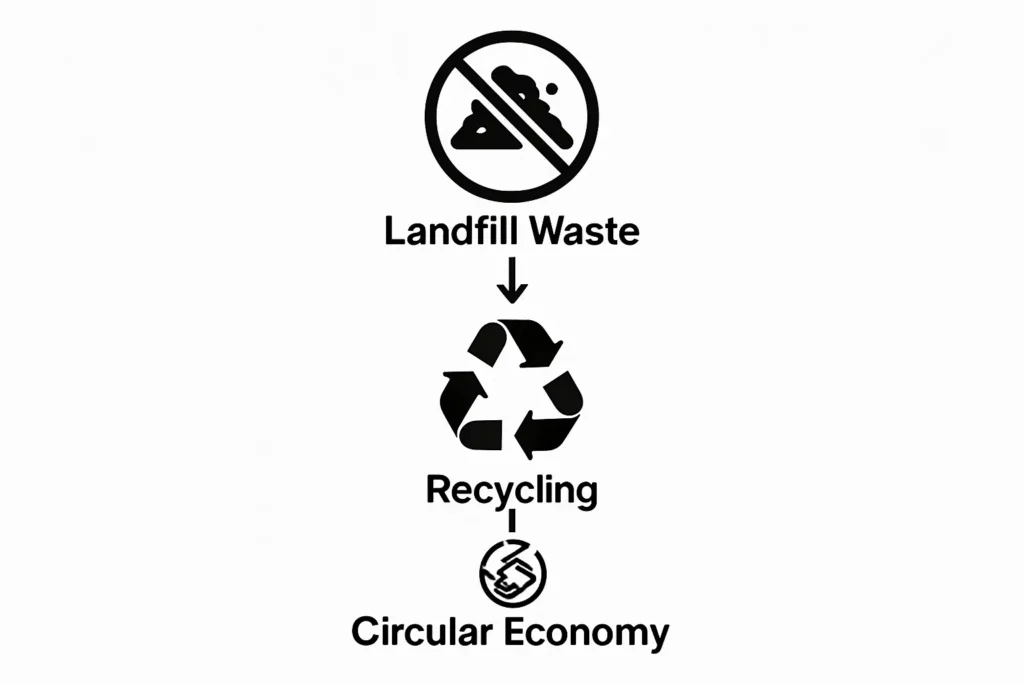
- Prioritizing Recycling: Separating materials like metals, plastics, paper, and electronics for proper recycling
- Minimizing Landfill Waste: Diverting as much material as possible from traditional disposal sites
- Supporting Circular Economy: Ensuring materials are reprocessed and reused whenever possible
Environmental and Economic Benefits
Green junk removal goes beyond simple waste management. According to the Environmental Protection Agency, these practices help conserve natural resources, reduce greenhouse gas emissions, and create economic opportunities in recycling and repurposing industries.
For residents and businesses interested in learning more about responsible disposal, our comprehensive junk removal process guide offers detailed insights into sustainable waste management strategies.
By adopting green junk removal practices, individuals and organizations can play a crucial role in protecting our environment, reducing waste, and promoting a more sustainable future.
Below is a table summarizing the key differences between traditional junk removal and green junk removal practices to help clarify their distinct approaches and impacts.
| Aspect | Traditional Junk Removal | Green Junk Removal Practices |
|---|---|---|
| Main Focus | Disposal in landfills | Recycling, repurposing, resource recovery |
| Environmental Impact | Higher pollution, greenhouse gas emissions | Reduces landfill use, lowers emissions |
| Resource Recovery | Minimal | Maximized through sorting and reuse |
| Support for Circular Economy | No | Yes, promotes materials re-entering supply chains |
| Economic Opportunities | Limited to hauling services | Supports recycling industry, job creation |
Why Green Junk Removal Matters for Sustainability
Sustainability is no longer a buzzword but a critical global imperative, and green junk removal plays a significant role in this environmental mission. By reimagining waste management, we can transform how societies consume, discard, and recycle materials to minimize ecological damage.
Environmental Impact and Resource Conservation
Traditional waste disposal methods create substantial environmental challenges. Landfills consume vast land areas, generate harmful greenhouse gases, and contaminate soil and groundwater. Green junk removal disrupts this destructive cycle by implementing innovative strategies that prioritize resource preservation.
Key environmental benefits include:
- Reduced Carbon Emissions: Minimizing landfill waste dramatically decreases methane production
- Natural Resource Protection: Recycling and repurposing materials reduces demand for virgin resources
- Ecosystem Preservation: Preventing toxic waste from entering natural environments
Economic and Social Implications
Green junk removal extends beyond environmental benefits. According to Sustainable Living Association, these practices create economic opportunities by supporting recycling industries, generating jobs, and promoting a circular economy. Communities that embrace sustainable waste management reduce long-term environmental cleanup costs and create more resilient local economies.
For those interested in understanding the comprehensive approach to responsible waste management, our detailed junk hauling guide provides deeper insights into sustainable disposal strategies.
Ultimately, green junk removal represents a critical strategy in humanity’s collective effort to build a more sustainable, environmentally responsible future.
How Green Junk Removal Works: The Process Explained
Green junk removal transforms traditional waste disposal into a systematic, environmentally responsible process that maximizes resource recovery and minimizes ecological impact. Unlike conventional disposal methods, this approach requires meticulous sorting, strategic processing, and innovative recycling techniques.
Initial Sorting and Assessment
The green junk removal process begins with a comprehensive assessment of collected materials. Professionals carefully examine each item to determine its potential for reuse, recycling, or responsible disposal. This critical first step ensures that maximum value is extracted from seemingly discarded items.
Key components of the initial sorting phase include:
- Material Identification: Categorizing items by composition (metals, plastics, electronics, textiles)
- Condition Evaluation: Determining whether items can be repaired, donated, or must be recycled
- Contamination Screening: Identifying potentially hazardous materials requiring specialized handling
Recycling and Repurposing Strategies
After initial sorting, green junk removal professionals employ advanced recycling techniques to transform waste into valuable resources. According to the Sustainable Living Association, this process involves breaking down materials into raw components that can be reintegrated into manufacturing supply chains.
For residents looking to understand the intricacies of responsible waste management, our comprehensive junk removal process guide offers detailed insights into sustainable disposal strategies.
By implementing these sophisticated recycling methods, green junk removal not only prevents waste from entering landfills but also creates a circular economy where discarded materials become valuable resources for future production.
The following table outlines the main steps involved in the green junk removal process, highlighting what each phase accomplishes and its role in ensuring sustainability.
| Process Step | Description | Sustainability Benefit |
|---|---|---|
| Initial Sorting | Assess and categorize collected materials by type and condition | Ensures recyclable and reusable items are diverted from landfill |
| Condition Evaluation | Determine if items can be repaired, donated, or recycled | Maximizes the value and utility of discarded items |
| Contamination Screening | Identify potentially hazardous materials | Promotes safe disposal and protects ecosystems |
| Recycling Techniques | Break down materials for re-entry into manufacturing supply chains | Conserves natural resources and reduces demand for new materials |
| Repurposing Strategies | Convert items for alternative uses or donation | Extends product life, supports community needs |
Key Concepts in Eco-Friendly Disposal Methods
Eco-friendly disposal methods represent a sophisticated approach to waste management that goes far beyond simple recycling. These strategies focus on minimizing environmental impact while maximizing resource efficiency and promoting sustainable practices across various sectors.
Principles of Sustainable Waste Management
Sustainable waste management operates on comprehensive principles that transform how societies perceive and handle discarded materials. The fundamental goal is to reduce waste generation, reuse existing resources, and recycle materials in ways that minimize ecological disruption.
Critical principles of eco-friendly disposal include:
- Waste Hierarchy: Prioritizing waste prevention over disposal
- Resource Recovery: Extracting maximum value from materials before final disposal
- Closed-Loop Systems: Creating circular economic models where waste becomes a resource
Advanced Recycling and Material Transformation
Modern eco-friendly disposal methods leverage advanced technologies to break down and repurpose materials that were traditionally considered waste. According to the U.S. Environmental Protection Agency, this approach involves sophisticated sorting, processing, and reintegration techniques that transform waste into valuable resources.
Our comprehensive yard debris removal guide provides additional insights into specialized disposal techniques for organic materials.
By implementing these innovative disposal strategies, communities can significantly reduce environmental impact, conserve natural resources, and create more sustainable waste management ecosystems that benefit both local environments and global ecological systems.
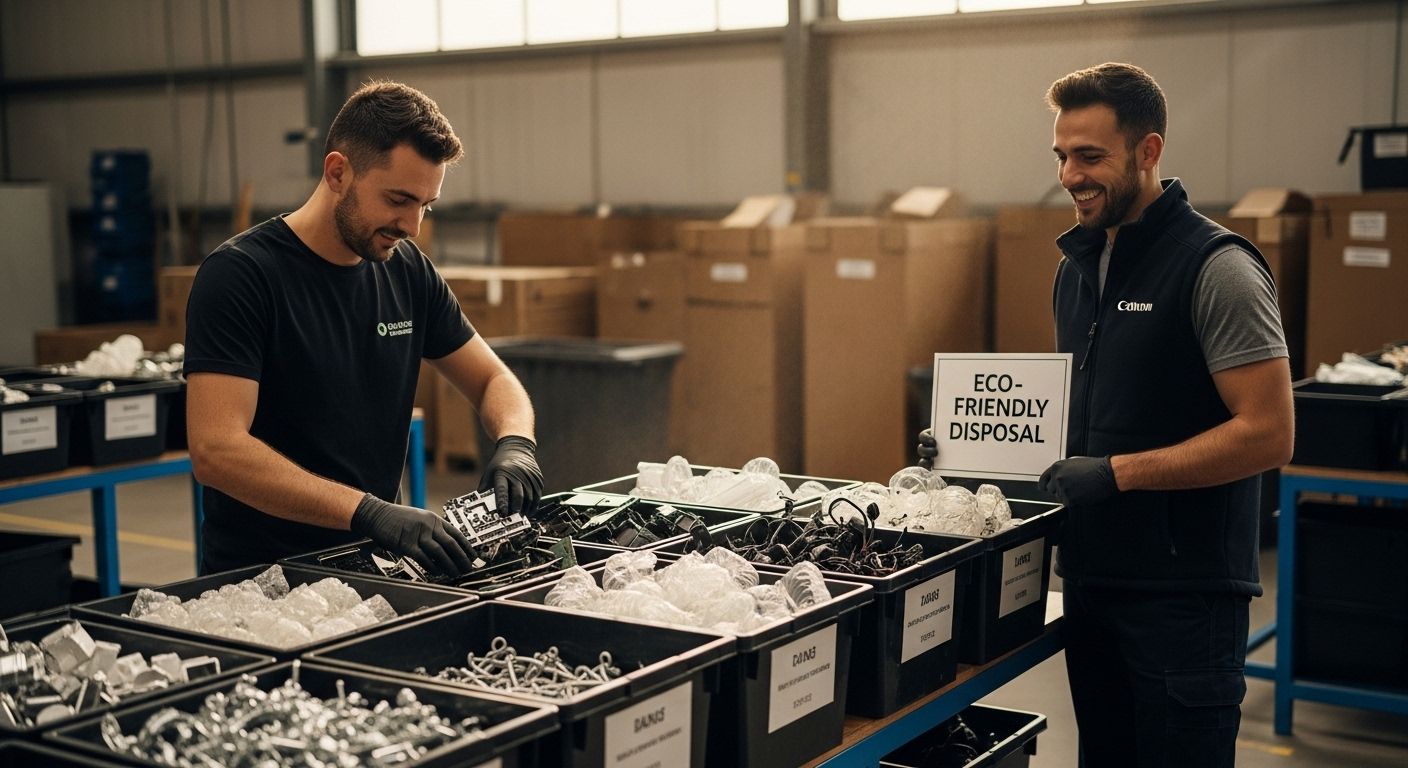
Real-World Impact of Green Junk Removal Practices
Green junk removal practices are not merely theoretical concepts but powerful strategies that generate tangible environmental and economic benefits. By transforming waste management approaches, these methods create substantial positive changes across multiple societal dimensions.
Environmental Transformation
Greenhouse gas reduction stands as one of the most significant real-world impacts of green junk removal practices. When materials are strategically recycled, repurposed, or diverted from landfills, the environmental benefits extend far beyond simple waste reduction.
Key environmental impacts include:
- Carbon Emission Reduction: Minimizing waste transportation and landfill methane production
- Natural Resource Conservation: Decreasing demand for raw material extraction
- Ecosystem Protection: Preventing toxic waste from contaminating soil and water systems
Economic and Community Benefits
Beyond environmental advantages, green junk removal practices generate meaningful economic opportunities. According to the U.S. Environmental Protection Agency, recycling and sustainable waste management create jobs, stimulate local economies, and reduce long-term waste management costs.
Our comprehensive guide on what happens to junk after removal offers deeper insights into the intricate processes behind sustainable disposal.
Through strategic implementation, green junk removal transforms waste from a problematic byproduct into a valuable resource, demonstrating how responsible disposal practices can simultaneously address environmental challenges and create economic value.
Make Your Connecticut Cleanout Greener and Easier Today
Are you looking to declutter your home or business while protecting the environment? This article highlighted the need for eco-friendly disposal and the importance of keeping unnecessary junk out of landfills through responsible recycling and sustainable practices. Many homeowners and businesses want to practice green junk removal but find it challenging to sort, haul, and ensure every item is handled the right way.
At C&M Carting Solutions, we make green junk removal effortless across Litchfield County. Our team takes the worry out of the process by prioritizing recycling, resource recovery, and safe disposal—so you do not have to figure it out on your own. Discover the real-world impact with our step-by-step junk removal process guide. Put your plan into action today, and let us help you protect your future and the planet. It only takes a minute to get an online quote for your next cleanout. Choose a junk removal partner that values your sustainability goals.
Frequently Asked Questions
What are green junk removal practices?
Green junk removal practices focus on environmentally friendly waste management strategies that prioritize recycling, repurposing, and minimizing landfill waste to reduce ecological impact.
Why is green junk removal important for sustainability?
Green junk removal is crucial for sustainability as it reduces carbon emissions, conserves natural resources, and promotes a circular economy, ultimately helping to mitigate the environmental impact of waste disposal.
How does the green junk removal process work?
The green junk removal process begins with sorting collected materials to identify recyclable and reusable items. These items are then processed through advanced recycling techniques to maximize resource recovery and minimize waste sent to landfills.
What are the environmental benefits of green junk removal?
The environmental benefits of green junk removal include reduced greenhouse gas emissions, protection of natural resources, and prevention of toxic waste from contaminating ecosystems, contributing to a healthier planet.