

Debris hauling might sound simple, just clearing out unwanted stuff from homes, construction sites, or after storms. But surprise, Connecticut manages hundreds of tons of debris every year, with strict rules on where it goes and how it’s handled. Most people miss that the real challenge is not the heavy lifting but following the maze of laws and recycling requirements that make legal disposal far trickier than dumping things in a landfill.
Table of Contents
- Understanding What Is Debris Hauling
- Types Of Debris Commonly Hauled Away
- How Debris Hauling Services Work In Connecticut
- When To Choose Emergency Or Same-Day Hauling
Quick Summary
| Takeaway | Explanation |
|---|---|
| Debris hauling is essential for waste management. | It involves collecting, transporting, and disposing of unwanted materials from homes, businesses, and construction sites. |
| Different types of debris require specific handling. | Residential, commercial, hazardous, and specialized debris all have unique disposal needs and regulations. |
| Regulatory compliance is crucial in Connecticut. | Understand local laws governing debris removal, especially during emergencies, to ensure safe and legal operations. |
| Emergency hauling addresses urgent situations. | Quick response is vital after disasters to eliminate threats to health and safety from debris accumulation. |
| Same-day hauling meets time-sensitive demands. | This service is key for property transactions, renovation projects, and maintaining business operations efficiently. |
Understanding What Is Debris Hauling
Debris hauling is a critical waste management service that involves the collection, transportation, and disposal of unwanted materials from residential, commercial, and industrial properties. Learn more about our comprehensive disposal solutions.
The Scope of Debris Hauling
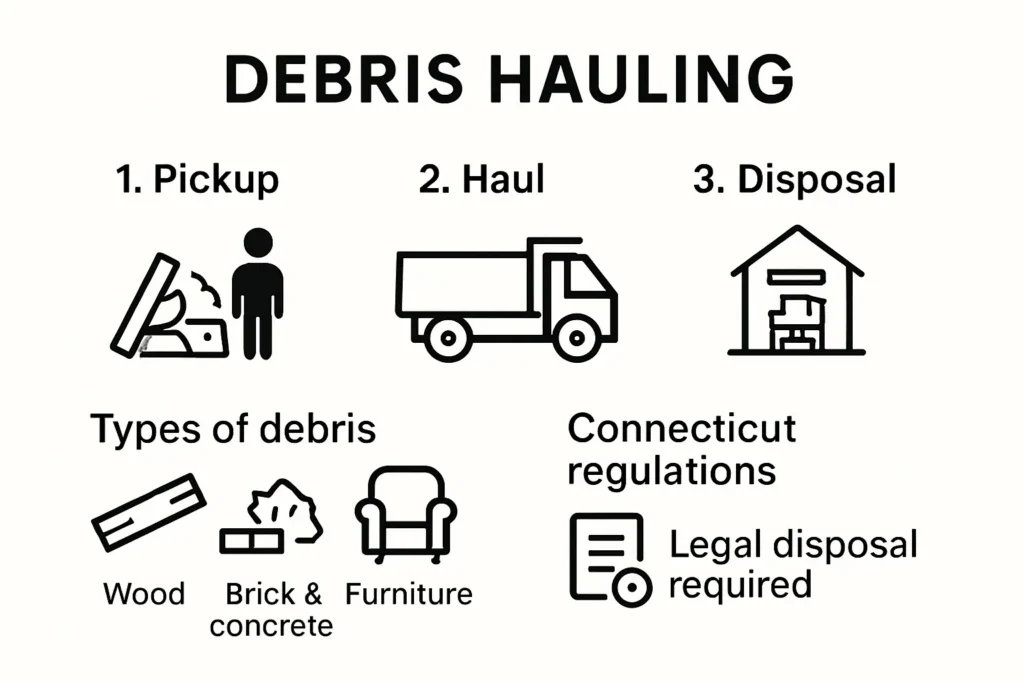
The process of debris hauling encompasses a wide range of materials and situations. According to the U.S. Army Corps of Engineers, debris management involves comprehensive operations including demolition, clearance, removal, transport, temporary storage, and final disposal of various materials. This can include woody debris from storm damage, construction materials, household contents, and other unwanted items that require professional removal.
Typically, debris hauling covers multiple types of waste, such as:
- Construction Debris: Remnants from building projects, renovation work, or demolition sites
- Yard Waste: Branches, leaves, tree stumps, and landscape clearing materials
- Household Junk: Old furniture, appliances, electronics, and miscellaneous items
- Commercial Waste: Office equipment, renovation materials, and large-scale property clearouts
Legal and Environmental Considerations
Professional debris hauling is more than just removing unwanted materials. The Environmental Protection Agency emphasizes the importance of responsible waste management. This involves not just removal, but also considerations of environmental impact, potential recycling opportunities, and proper disposal methods.
Federal guidelines, such as those from FEMA, outline specific protocols for debris removal, particularly in emergency situations. These guidelines ensure that debris hauling serves both practical cleanup needs and broader community safety and environmental preservation goals.
Understanding debris hauling goes beyond simple waste removal. It represents a crucial service that helps property owners manage unwanted materials efficiently, safely, and responsibly. Whether you’re dealing with storm damage, renovation waste, or routine property clearance, professional debris hauling provides a comprehensive solution to managing and disposing of various types of waste materials.
Types of Debris Commonly Hauled Away
Debris hauling involves removing a diverse range of materials from various settings, each requiring specific handling and disposal techniques. Explore our comprehensive waste removal options for different debris types.
Residential Debris Types
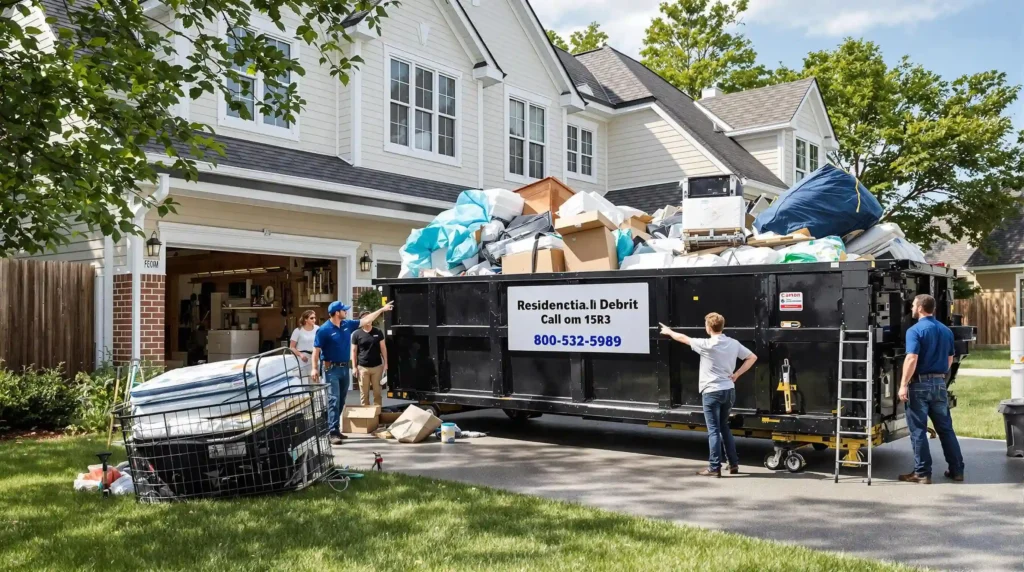
Residential debris hauling encompasses multiple categories of unwanted materials. According to Connecticut’s Department of Energy & Environmental Protection, household bulky waste includes furniture, mattresses, carpeting, and large appliances. Common residential debris categories include:
- Furniture Waste: Old sofas, chairs, tables, and broken household furniture
- Yard Waste: Tree branches, leaves, grass clippings, and landscaping remnants
- Electronic Waste: Outdated computers, televisions, monitors, and other electronic equipment
- Renovation Debris: Materials from home improvement projects like drywall, tiles, and lumber
Commercial and Construction Debris
Commercial and construction sites generate substantial volumes of debris requiring professional hauling services. The U.S. Environmental Protection Agency classifies construction debris into specific categories, highlighting the complexity of waste management. These typically include:
- Construction Materials: Concrete, brick, asphalt, wood, metals, and drywall
- Demolition Waste: Structural materials from building dismantling processes
- Industrial Scrap: Metal fragments, machinery parts, and industrial equipment
- Commercial Clearance Materials: Office furniture, equipment, and renovation waste
Specialized and Hazardous Debris
Some debris types require specialized handling and cannot be treated as standard waste. FEMA’s debris management guidelines emphasize the importance of proper identification and disposal. Specialized debris categories include:
- Hazardous Materials: Chemicals, paint, solvents requiring expert disposal
- Medical Waste: Specific protocols for healthcare-related debris
- Storm and Natural Disaster Debris: Fallen trees, damaged structures, flood remnants
- Agricultural Waste: Large equipment, damaged structures, crop remnants
Understanding the diverse nature of debris helps property owners and managers make informed decisions about waste removal. Professional debris hauling services provide the expertise needed to handle these varied materials safely, efficiently, and in compliance with environmental regulations.
To help clarify the major categories of debris described above, the following table organizes the types of debris hauled away across residential, commercial, and specialized settings:
| Category | Example Debris | Typical Setting |
|---|---|---|
| Furniture Waste | Old sofas, chairs, tables | Residential |
| Yard Waste | Branches, leaves, landscaping materials | Residential |
| Electronic Waste | Computers, TVs, monitors | Residential, Commercial |
| Renovation Debris | Drywall, tiles, lumber | Residential, Commercial |
| Construction Materials | Concrete, brick, asphalt, wood, metals | Commercial/Construction |
| Demolition Waste | Structural materials | Commercial/Construction |
| Industrial Scrap | Metal fragments, machinery parts | Commercial/Industrial |
| Hazardous Materials | Chemicals, paint, solvents | Specialized |
| Medical Waste | Healthcare-related debris | Specialized |
| Storm and Natural Disaster Debris | Fallen trees, damaged structures, flood remnants | Specialized (Emergency) |
| Agricultural Waste | Large equipment, crop remnants | Specialized (Agricultural) |
How Debris Hauling Services Work in Connecticut
Debris hauling in Connecticut operates through a structured and regulated process that ensures efficient waste management and environmental compliance. Explore our local dumpster rental options for comprehensive debris removal solutions.
Regulatory Framework and Authorization
Connecticut has a comprehensive legal framework governing debris hauling and removal. According to Connecticut General Statutes, the state provides specific guidelines for debris management, particularly during emergency situations. The Governor has explicit authority to clear or remove debris and wreckage from both public and private properties during declared disaster emergencies.
Key regulatory aspects include:
- Property Access: Provisions for accessing and clearing properties during emergency situations
- Liability Protection: Legal mechanisms protecting state and local entities during debris removal operations
- Property Owner Rights: Requirements for property owner authorization and indemnification
Operational Process and Methodology
The Connecticut Department of Energy and Environmental Protection (DEEP) outlines a comprehensive Disaster Debris Management Plan that details the operational phases of debris management. This plan encompasses multiple stages, from initial response to long-term recovery, ensuring a systematic approach to debris removal.
Typical debris hauling services in Connecticut follow a structured process:
- Initial Assessment: Surveying the area and categorizing debris types
- Segregation: Separating different materials for appropriate disposal or recycling
- Collection: Gathering debris using specialized equipment and vehicles
- Transportation: Moving collected materials to designated disposal or recycling facilities
- Final Disposition: Ensuring environmentally responsible waste management
Below is a table outlining the typical stages of the debris hauling process in Connecticut and what each step involves:
| Process Stage | Description |
|---|---|
| Initial Assessment | Survey area, identify and categorize debris types |
| Segregation | Separate materials for disposal or recycling |
| Collection | Gather debris using specialized equipment and vehicles |
| Transportation | Move materials to designated disposal or recycling facilities |
| Final Disposition | Execute proper, environmentally responsible waste management |
Environmental Considerations and Sustainability
Connecticut places significant emphasis on environmentally responsible debris management. The state’s approach goes beyond simple removal, focusing on sustainable practices that minimize environmental impact. This includes:
- Recycling Initiatives: Prioritizing material recovery and reuse
- Waste Reduction: Implementing strategies to minimize total waste volume
- Hazardous Material Handling: Specialized protocols for managing potentially dangerous debris
- Ecological Protection: Ensuring debris removal does not cause additional environmental damage
Professional debris hauling services in Connecticut must navigate a complex landscape of regulatory requirements, environmental considerations, and operational challenges. By understanding these intricate processes, property owners can ensure efficient, safe, and compliant debris removal that meets both local regulations and environmental standards.
When to Choose Emergency or Same-Day Hauling
Emergency and same-day debris hauling services are critical solutions for time-sensitive waste removal situations that require immediate attention. Learn about our rapid response services for urgent debris management needs.
Emergency Debris Removal Scenarios
According to FEMA’s Public Assistance Program, emergency debris removal is essential when activities are necessary to eliminate immediate threats to life, public health, and safety. Critical scenarios requiring immediate debris hauling include:
- Natural Disaster Aftermath: Removing fallen trees, damaged structures, and storm debris
- Flood and Water Damage: Clearing water-damaged materials to prevent mold and structural deterioration
- Fire and Smoke Damage: Rapid removal of fire-damaged materials and contaminated debris
- Structural Hazards: Eliminating dangerous debris that poses immediate safety risks
Immediate Response Protocols
The EPA’s All-Hazards Waste Management Planning Tool emphasizes the importance of pre-negotiated contracts to reduce response time during emergency situations. Connecticut’s emergency debris hauling typically follows a structured approach:
- Rapid Assessment: Immediate site evaluation to determine the extent of debris and potential hazards
- Priority Categorization: Identifying critical areas requiring immediate intervention
- Specialized Equipment Deployment: Utilizing specialized vehicles and tools for quick debris removal
- Continuous Monitoring: Ongoing evaluation of removal progress and potential additional risks
Situations Requiring Same-Day Hauling
Connecticut’s State Disaster Debris Management Plan highlights the importance of swift debris management. Beyond emergency scenarios, same-day hauling becomes crucial in several situations:
- Property Transactions: Clearing properties for immediate sale or rental
- Time-Sensitive Renovations: Removing construction debris to maintain project timelines
- Business Operational Continuity: Quickly clearing space for business operations
- Health and Safety Concerns: Immediate removal of potentially hazardous or contaminated materials
Choosing emergency or same-day hauling requires careful consideration of the specific circumstances, potential risks, and the immediate impact of debris on property and personal safety. Professional debris hauling services provide the expertise, equipment, and rapid response necessary to address urgent waste removal needs effectively and efficiently.
Frequently Asked Questions
What is debris hauling?
Debris hauling is the process of collecting, transporting, and disposing of unwanted materials from residential, commercial, and industrial properties, including construction debris, household junk, and yard waste.
What types of debris are commonly hauled away?
Common types of debris include construction materials, household items like old furniture and appliances, yard waste, electronic waste, and hazardous materials requiring specialized handling.
What are the legal considerations for debris hauling in Connecticut?
In Connecticut, debris hauling is governed by strict regulations that require proper authorization for removal, especially during emergencies. Professionals must adhere to local laws regarding waste management and disposal methods.
When should I choose emergency or same-day debris hauling?
Emergency or same-day hauling is necessary in scenarios like natural disasters, property transactions, and urgent renovation projects where immediate debris removal is crucial to ensure safety and maintain operations.
Take the Stress Out of Debris Hauling in Connecticut
Are you feeling overwhelmed by complicated debris hauling rules, tight timelines, and the pressure to dispose of waste the right way? After reading about Connecticut’s strict regulations and the challenges of safe, responsible debris management, it is clear that handling it alone is risky and time-consuming. Whether you are worried about storm cleanup, a major renovation, or a last-minute move, missing a single step can lead to fines, project delays, or extra work you cannot afford.
Let our team at C&M Carting Solutions turn confusion into relief. We offer eco-friendly junk removal and fast debris clearance designed for all the scenarios described in the guide. If you need help now or want a reliable plan for emergencies, you can get a quick quote online and see how simple cleanup can be. Make your next disposal task stress-free and legal—visit our main site or check out our service details to get started today.