



Yard debris piles up faster than you might think in Connecticut, especially with strict local rules shaping how you can get rid of your leaves and branches. Here is the kicker. Connecticut law actually bans tossing grass clippings in landfills and can require precise bundling or composting techniques to stay legal. Most surprising of all, turning yard waste into soil at home can actually cut your garbage bill by as much as 25 percent. That twist turns what felt like a chore into both a money-saver and an environmental win if you know the right steps.
Table of Contents
- Understanding Yard Debris And Local Rules
- Best Disposal Options For Every Client
- Emergency And Same-Day Yard Debris Removal
- Tips To Save Money And Stay Green
Quick Summary
| Takeaway | Explanation |
|---|---|
| Understand Local Regulations | Familiarize yourself with Connecticut’s yard debris regulations, including guidelines for disposal and the prohibition of landfill disposal for grass clippings, to ensure compliance and promote sustainability. |
| Utilize Composting | Take advantage of composting, which can reduce household waste by up to 25% while creating nutrient-rich soil amendments at home, supporting both cost savings and environmental health. |
| Emergency Response Plans | Develop a rapid response plan for yard debris management, especially for emergencies like storm damage, to ensure quick action and prevent further property damage. |
| Explore Cost-Effective Disposal Options | Leverage community resources, such as bulk removal services and municipal yard waste collections, which can provide economical solutions for yard debris disposal. |
| Adopt Eco-Friendly Practices | Implement sustainable practices like mulching onsite and participating in community recycling events to reduce both environmental impact and disposal costs. |
Understanding Yard Debris and Local Rules
Yard debris management requires more than just tossing leaves and branches in the trash. Connecticut residents face specific regulations and environmental considerations when clearing their outdoor spaces. Understanding these local rules ensures proper disposal and helps protect the environment.
Connecticut Yard Waste Regulations
Connecticut takes yard debris disposal seriously. The state has implemented strict guidelines to minimize waste and promote sustainable practices. According to the Connecticut Department of Energy & Environmental Protection (DEEP), untreated wood and organic materials should be chipped and reused rather than sent to landfills. This approach supports environmental sustainability and reduces unnecessary waste.
Specifically, grass clippings are prohibited from disposal in landfills and waste-to-energy facilities. The City of Groton regulations recommend leaving clippings on lawns or composting them as an eco-friendly alternative. These guidelines aim to reduce waste and promote natural nutrient recycling in residential landscapes.
Municipal Collection Guidelines
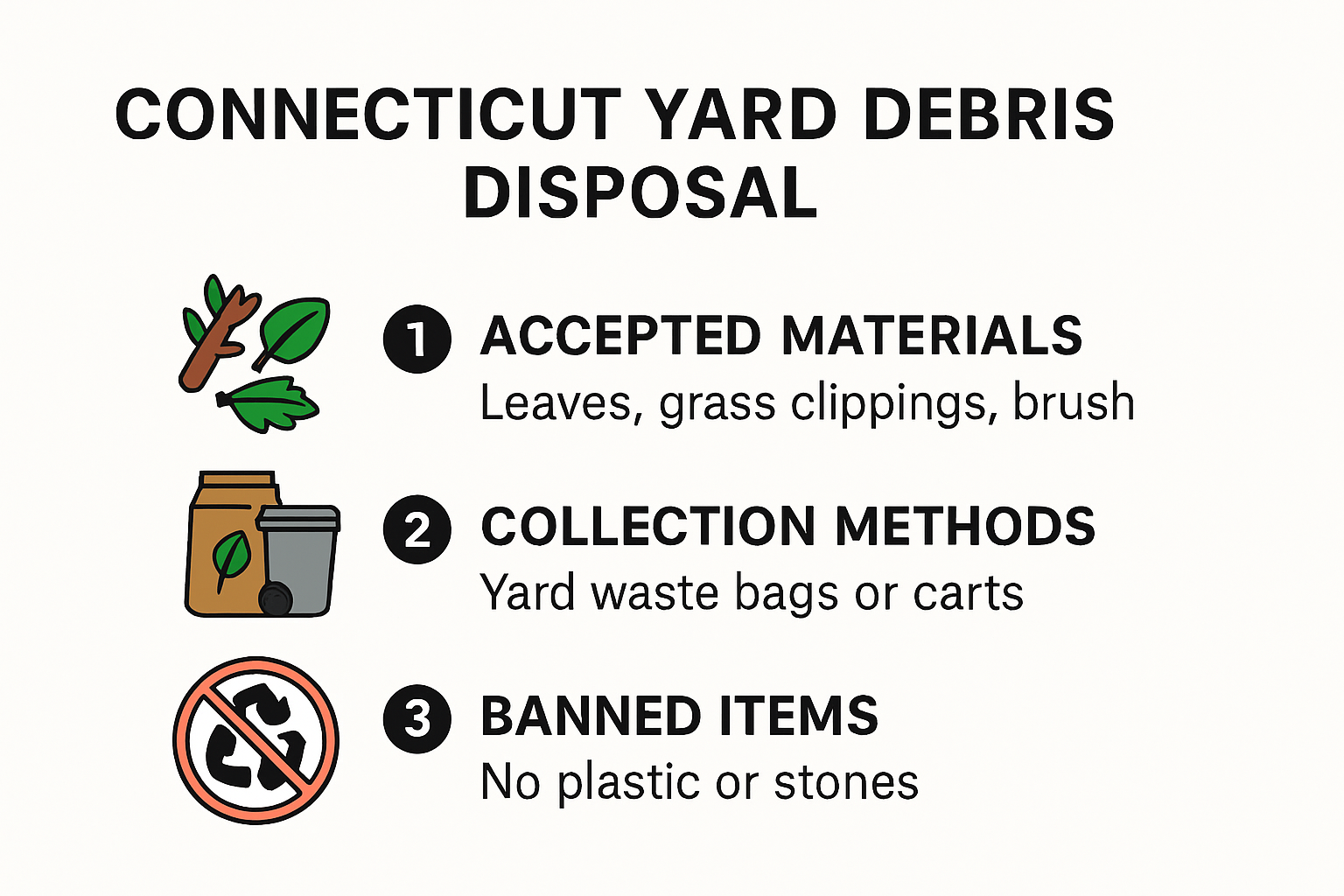
Local municipalities in Connecticut have unique yard debris collection protocols. For instance, the City of Hartford requires specific preparation for yard waste pickup. Residents must place leaves in paper bags during designated collection periods. Tree limbs need to be neatly bundled in 6-foot sections to facilitate efficient removal.
Each town may have slightly different requirements, so homeowners should check with their local public works department for precise guidelines. Some common rules include:
- Separating organic materials from general waste
- Using designated containers or bags for yard debris
- Following seasonal collection schedules
- Limiting the volume of yard waste per collection
Environmental Considerations
Proper yard debris disposal goes beyond following rules. It’s about creating a sustainable approach to landscape maintenance. Composting, mulching, and strategic reuse of organic materials can significantly reduce waste. Check out our guide on efficient yard waste management for more detailed strategies that align with local environmental best practices.
By understanding and adhering to local regulations, Connecticut residents can contribute to community cleanliness and environmental preservation. Proper yard debris disposal is not just a legal requirement but a responsible approach to maintaining our shared ecological resources.
To help you understand key municipal yard debris disposal requirements in Connecticut, here’s a summary table comparing common guidelines mentioned in the article:
| Requirement | Typical Municipal Guideline | Purpose |
|---|---|---|
| Leaf Disposal | Place in paper bags during collection | Facilitate composting/recycling |
| Tree Limb Preparation | Bundle in 6-foot sections | Efficient removal & handling |
| Grass Clippings Disposal | Leave on lawn or compost; not in landfill | Soil nutrition & legal compliance |
| Seasonal Collection Schedule | Designated collection periods | Organized municipal pickup |
| Container/Bag Type | Use town-provided or specified containers | Safety & collection efficiency |
| Volume Limitations | Limit per collection (varies by town) | Prevent overloading system |
Best Disposal Options for Every Client
Yard debris disposal in Connecticut requires strategic planning and understanding of available options. Different clients have unique needs, from homeowners with small gardens to property managers handling large commercial landscapes. Selecting the right disposal method can save time, money, and reduce environmental impact.
Residential Disposal Solutions
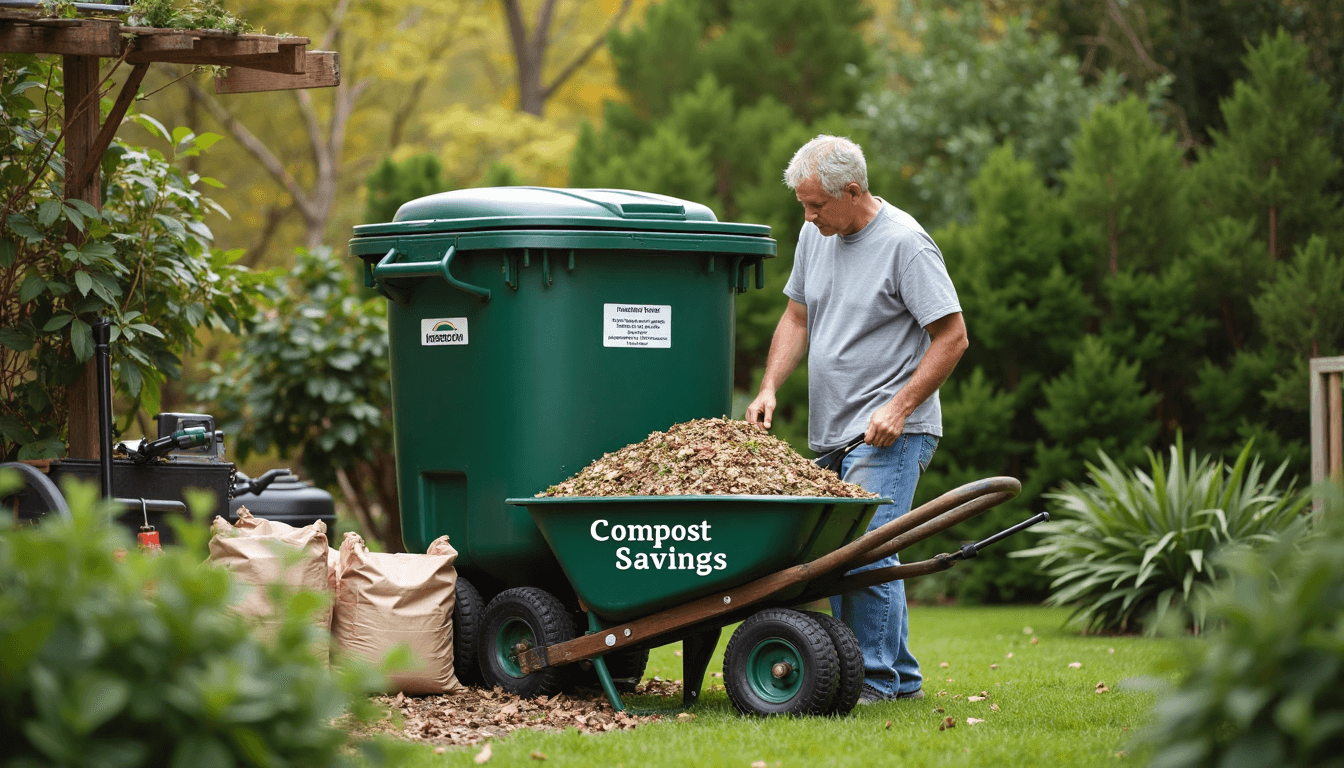
Homeowners face multiple yard debris disposal strategies. The Connecticut Department of Energy & Environmental Protection (DEEP) recommends home composting as an efficient method that can reduce household garbage volume by up to 25%. Composting not only manages yard waste but also creates nutrient-rich soil for future gardening projects.
For larger volumes of yard debris, residential clients have several options. Our comprehensive guide to dumpster rentals provides insights into selecting appropriate container sizes for different yard cleanup projects. Dumpster rentals work exceptionally well for seasonal landscaping overhauls, tree removals, or extensive property maintenance.
Commercial and Municipal Disposal Strategies
Property managers and municipal entities require more robust disposal solutions. The City of Hartford’s Yard Waste Collection Program demonstrates a comprehensive approach with curbside collection and designated drop-off locations. Commercial clients can benefit from scheduled bulk debris removal services that handle large-scale landscape maintenance efficiently.
Key considerations for commercial yard debris disposal include:
- Volume management
- Cost-effective removal strategies
- Compliance with local environmental regulations
- Minimal disruption to business operations
Specialized Disposal Techniques
Some yard debris requires specialized handling. Untreated wood, large branches, and organic materials often need specific processing. Professional junk removal services can provide tailored solutions for complex yard waste scenarios. Understanding the differences between junk removal and dumpster rentals helps clients choose the most appropriate disposal method for their specific needs.
Eco-friendly disposal techniques are becoming increasingly important. Mulching, chipping, and composting represent sustainable alternatives to traditional waste management. By selecting the right disposal method, clients can reduce environmental impact while efficiently managing their yard debris.
Whether you’re a homeowner with a small garden or a property manager handling extensive landscaping, Connecticut offers multiple yard debris disposal options. The key is understanding your specific requirements and selecting a method that balances convenience, cost-effectiveness, and environmental responsibility.
Here’s a comparison table summarizing key yard debris disposal options and their main features as mentioned in the article:
| Disposal Method | Suitable For | Key Benefits | Notes |
|---|---|---|---|
| Home Composting | Homeowners, gardeners | Cuts waste 25%, soil health | Not ideal for large volumes |
| Dumpster Rental | Residential, commercial | Handles large loads | Best for big cleanups/landscaping projects |
| Municipal Collection | Residents, property mgrs | Low cost, community service | Requires proper preparation and scheduling |
| Bulk/Professional Pick-up | Commercial, emergencies | Rapid removal, convenience | Useful for storms, large properties, immediate response |
| Mulching/Chipping | Residential, commercial | Eco-friendly, reduces waste | Best for untreated wood, can be used onsite |
Emergency and Same-Day Yard Debris Removal
Emergency yard debris removal presents unique challenges for Connecticut property owners. Sudden storm damage, unexpected tree falls, or urgent landscape clearing require swift and efficient solutions. Understanding the nuances of rapid debris management can save time, prevent property damage, and ensure safety.
Immediate Response Protocols
When disaster strikes, quick action is critical. According to Connecticut General Statutes § 28-9c, during declared emergency situations, authorities can assist with debris removal that threatens public health or safety. For individual property owners, having a rapid response plan is essential.
Our comprehensive junk removal services specialize in immediate yard debris clearance. Emergency scenarios might include:
- Storm-damaged tree limbs blocking driveways
- Fallen branches threatening structural integrity
- Post-hurricane landscape destruction
- Urgent land clearing for safety purposes
Storm and Natural Disaster Debris Management
Connecticut experiences diverse weather conditions that can generate substantial yard debris. The Connecticut Department of Energy & Environmental Protection (DEEP) recommends strategic approaches for managing debris from natural events. Specifically, they promote chipping and reusing untreated wood from storm events, which supports both efficient cleanup and environmental sustainability.
Key considerations for emergency debris removal include:
- Immediate safety assessment
- Quick removal of hazardous materials
- Proper sorting of recyclable versus non-recyclable debris
- Coordination with local municipal services
Professional Rapid Removal Solutions
Professional services offer significant advantages in emergency yard debris scenarios. Our specialized brush and yard debris removal provides rapid response capabilities designed to address urgent clearing needs. These services understand the critical nature of swift debris management and can mobilize quickly to prevent further property damage.
Emergency yard debris removal goes beyond simple cleanup. It involves:
- Rapid risk assessment
- Safe material handling
- Environmentally responsible disposal
- Minimizing potential secondary damage
Whether facing unexpected storm damage or requiring urgent landscape clearing, Connecticut residents have access to professional services that can transform a potentially stressful situation into a manageable resolution. The key is preparation, quick action, and working with professionals who understand local regulations and environmental considerations.
Tips to Save Money and Stay Green
Managing yard debris efficiently can simultaneously reduce environmental impact and minimize disposal costs. Connecticut residents have multiple strategies to streamline yard waste management while maintaining ecological responsibility and keeping expenses low.
Smart Yard Waste Reduction Strategies
The Connecticut Department of Energy & Environmental Protection (DEEP) recommends innovative approaches to yard waste management. Leaving grass clippings on the lawn can reduce mowing time by nearly 40% and decrease the need for commercial fertilizers. This simple practice not only saves money but also naturally fertilizes your lawn, creating a sustainable landscaping cycle.
Composting represents another cost-effective solution. According to waste management research, composting yard waste can reduce household garbage volume by up to 25%. Homeowners can create nutrient-rich soil amendments without purchasing expensive commercial fertilizers, transforming yard debris from a disposal expense into a valuable resource.
Economic Disposal Techniques
Implementing strategic disposal methods can significantly reduce costs. The Connecticut DEEP’s Save as You Throw program incentivizes waste reduction by charging residents based on the amount of trash they generate. This approach encourages more mindful waste management and can lead to substantial savings.
Key economic disposal techniques include:
- Mulching yard debris on-site
- Sharing disposal costs with neighbors
- Utilizing community composting programs
- Scheduling bulk removal during off-peak seasons
Eco-Friendly Disposal Solutions
Environmentally conscious disposal doesn’t have to be expensive. Many local municipalities offer free or low-cost yard waste collection during specific seasons. Learn more about budget-friendly disposal methods to minimize both environmental impact and disposal expenses.
Additional green disposal strategies involve:
- Participating in community recycling events
- Donating usable yard materials to local gardening projects
- Investing in reusable yard waste collection containers
- Choosing native plants that require less maintenance
Connecticut residents can transform yard debris management from a costly chore into an opportunity for environmental stewardship and financial savings. By adopting smart, innovative approaches, homeowners can reduce waste, support local ecosystems, and keep disposal expenses minimal. The key is strategic planning, understanding local resources, and embracing sustainable practices that benefit both your wallet and the environment.
Frequently Asked Questions
What are the yard waste disposal regulations in Connecticut?
Connecticut law prohibits disposing of grass clippings in landfills and emphasizes the importance of composting and proper bundling of yard debris. It’s essential for residents to comply with local regulations to promote sustainability.
How can I compost yard debris at home?
Home composting is a great way to manage yard waste. You can create a compost pile by layering grass clippings, leaves, and small branches. This not only reduces waste by up to 25% but also produces nutrient-rich soil for gardening.
What should I do with large amounts of yard debris?
For large volumes of yard debris, consider renting a dumpster or utilizing municipal collection services, which may offer curbside pickup or designated drop-off locations. Check with your local public works department for specific guidelines.
How do I handle yard debris after a storm in Connecticut?
After a storm, it’s crucial to have a rapid response plan. You can contact professional junk removal services for immediate debris clearance. Authorities may also assist with removal during declared emergencies, emphasizing quick assessment and safety measures.
Connecticut’s Trusted Partner for Quick Yard Debris Removal
Struggling with overflowing yard waste or tangled local disposal rules in Connecticut? The article highlights the frustration of dealing with strict municipal guidelines, unexpected storm debris, and the need for fast, eco-friendly solutions. Many homeowners and property managers feel overwhelmed by complicated regulations and time-consuming disposal methods. If you want a hassle-free cleanup that keeps you compliant and protects your property, partnering with a reliable local team makes all the difference.
Stop letting yard debris stress you out. Our team specializes in yard debris removal, same-day service, and dumpster rentals that fit Connecticut requirements. Choosing CM Carting Solutions means you get responsive support, transparent pricing, and seamless service every step of the way. Ready to clear your yard the fast and legal way? Visit our Brush and Yard Debris Removal page to see how we can help or request your free quote now and let us handle your yard waste—so you can enjoy your outdoor space again.
Recommended
- Connecticut Dumpster Rental | C&M Carting Solutions
- How To Get Rid Of Yard Waste – C&M Carting Solutions
- Affordable 25-Yard Dumpster Rental | C&M Carting Solutions
- Affordable 20-Yard Dumpster Rental | C&M Carting Solutions
- What’s The Cheapest Way to Get Rid of Junk?
- 12-Yard Dumpster Rentals Litchfield | C&M Carting Solutions