


Connecticut homeowners are dealing with stricter yard waste disposal rules than ever and compliance is no longer optional. Municipalities are rolling out guidelines that differ from town to town and even the state bans tossing grass clippings in the regular trash. Now get this. Composting can slash your waste volume by up to 25 percent while helping you avoid fines. Most people focus only on curbside pickup but the real game is figuring out the best mix of composting, drop-off, and emergency services tailored to your property. That simple change could save you money and stress all year long.
Table of Contents
- Understanding Connecticut Yard Waste Rules
- Top Methods For Yard Waste Disposal
- Choosing The Right Disposal Service
- Tips For Emergency And Same-Day Removal
Quick Summary
| Takeaway | Explanation |
|---|---|
| Understand Local Regulations | Familiarize yourself with Connecticut’s yard waste disposal rules to avoid fines and ensure compliance. |
| Explore Composting Options | Composting effectively reduces waste volume while creating nutrient-rich soil, supporting sustainable practices. |
| Evaluate Disposal Services | Assess your yard waste type and volume to choose the right disposal service, whether municipal or professional. |
| Prepare for Emergencies | Have a plan and contacts ready for emergency yard waste removal following sudden events like storms. |
| Prioritize Environmental Practices | Select disposal services that focus on recycling and proper waste management to minimize environmental impact. |
Understanding Connecticut Yard Waste Rules
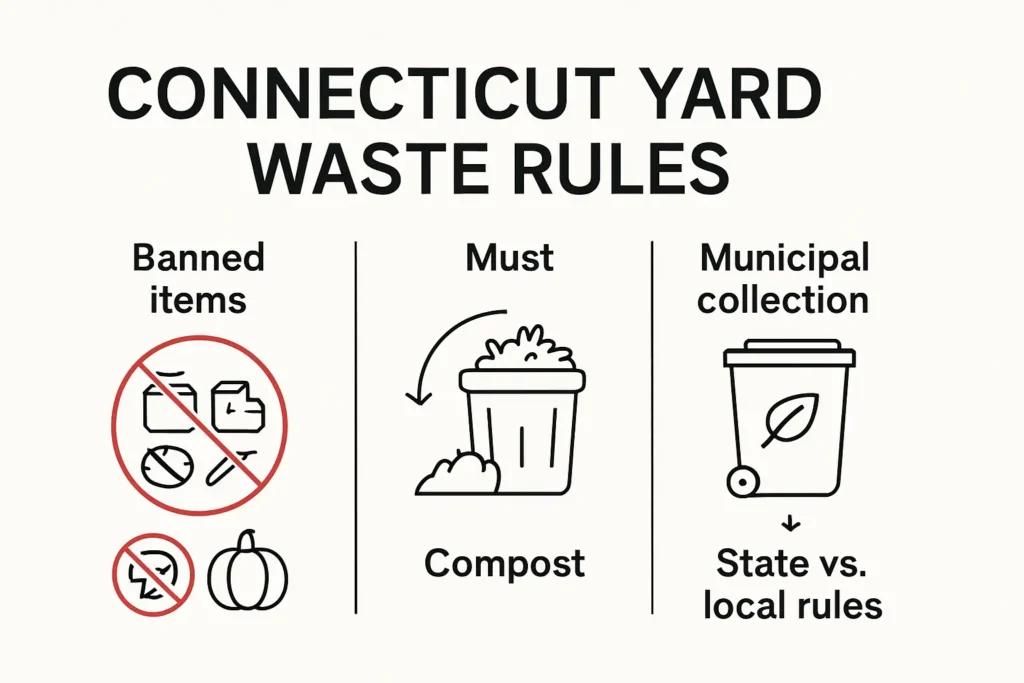
Navigating yard waste disposal in Connecticut requires understanding specific local regulations and environmental guidelines. These rules are designed to promote sustainable waste management and reduce environmental impact. Homeowners and property managers must follow these regulations carefully to ensure proper disposal and avoid potential fines.
State Level Disposal Regulations
Connecticut has implemented strict guidelines for yard waste management. According to the Connecticut Department of Energy and Environmental Protection, the state prohibits disposing of certain organic materials in standard waste streams. Specifically, state statutes prevent grass clippings from being deposited at resource recovery or solid waste facilities, mandating alternative disposal methods like composting or specialized collection.
The Commercial Organics Recycling Law further reinforces these regulations by requiring certain commercial entities to separate and recycle organic waste. This law aims to significantly reduce the volume of organic materials entering landfills and promote more sustainable waste management practices. Property owners must be aware of these requirements and adapt their yard waste disposal strategies accordingly.
Municipal Collection Guidelines
Municipal approaches to yard waste collection can vary across Connecticut. Urban areas like Hartford have structured collection programs with specific guidelines. The City of Hartford’s Yard Waste Collection Program offers residents clear instructions on acceptable materials, collection schedules, and drop-off options. Typical acceptable yard waste includes:
- Leaves and grass clippings
- Small branches and twigs
- Organic garden debris
It is crucial to note that requirements can differ between municipalities. Some towns offer curbside pickup during specific seasons, while others mandate residents to transport yard waste to designated collection centers. Check our comprehensive guide on yard debris disposal for more detailed local information.
Composting and Alternative Disposal Methods
To comply with state regulations and reduce environmental impact, Connecticut encourages homeowners to explore alternative yard waste disposal methods. Composting emerges as an excellent solution for managing organic yard waste. By creating a backyard compost pile or using municipal composting facilities, residents can transform yard waste into nutrient-rich soil amendments.
Residents should segregate different types of yard waste. Leaves and grass clippings are ideal for composting, while larger branches might require chipping or professional removal services. Understanding these nuanced guidelines helps homeowners contribute to a more sustainable waste management ecosystem and avoid potential regulatory penalties.
Stay informed about your local municipality’s specific yard waste disposal requirements and explore environmentally responsible disposal options to ensure compliance and support Connecticut’s green initiatives.
Top Methods for Yard Waste Disposal
Connecticut residents have multiple effective options for managing yard waste, each with unique benefits and considerations. Proper disposal methods not only help maintain a clean property but also contribute to environmental sustainability.
Composting: A Sustainable Approach
Composting emerges as the most environmentally friendly yard waste disposal method. According to the Connecticut Department of Energy & Environmental Protection, homeowners can reduce their garbage volume by up to 25% through effective composting techniques. This method transforms yard trimmings, leaves, and grass clippings into nutrient-rich soil amendments.
Home composting requires minimal equipment and can be accomplished through several approaches:
- Backyard Compost Pile: Create a dedicated area for organic waste decomposition
- Compost Bins: Structured containers that accelerate decomposition
- Tumbler Composters: Rotating containers that make mixing organic materials easier
Learn more about efficient yard debris management to optimize your composting strategy.
Municipal Collection and Drop-Off Programs
Many Connecticut municipalities offer structured yard waste collection services. The City of Hartford’s Yard Waste Collection Program provides an excellent example of organized disposal. These programs typically include:
- Seasonal curbside pickup of leaves and branches
- Designated drop-off locations for yard waste
- Specific collection schedules and material guidelines
The New Haven Solid Waste & Recycling Authority emphasizes that separating yard waste from regular trash helps reduce disposal costs and supports environmental conservation efforts.
Professional Removal Services
For large properties or extensive yard projects, professional removal services offer a convenient disposal solution. These services handle everything from tree limb removal to complete property cleanup. Professional teams understand local regulations and can efficiently manage various types of yard waste.
Key advantages of professional yard waste removal include:
- Handling of large or difficult-to-manage yard debris
- Proper sorting and disposal according to local regulations
- Time-saving alternative to personal disposal efforts
- Environmentally responsible waste management
When selecting a professional service, consider factors like experience, local knowledge, and commitment to sustainable disposal practices. Look for providers who prioritize recycling and composting over landfill disposal.
Choosing the right yard waste disposal method depends on your specific property needs, available time, and local municipal guidelines. By understanding and implementing these approaches, Connecticut residents can maintain beautiful landscapes while supporting environmental sustainability.
Here is a comparison table of the main yard waste disposal options discussed above, helping you select the best approach for your needs:
| Disposal Method | Best For | Key Benefits | Typical Limitations |
|---|---|---|---|
| Composting | Small/medium properties | Reduces waste volume, creates soil amendments | Requires space and active upkeep |
| Municipal Collection & Drop-Off | Most residential properties | Convenient, cost-effective, follows local rules | May have seasonal limits |
| Professional Removal Services | Large/complex properties | Handles bulky waste, fast, handles all types | Higher cost than municipal options |
Choosing the Right Disposal Service
Selecting an appropriate yard waste disposal service requires careful consideration of multiple factors. Homeowners and property managers must evaluate their specific needs, budget, and local regulations to make an informed decision that ensures efficient and environmentally responsible waste management.
Assessing Your Yard Waste Volume and Type
Before selecting a disposal service, conduct a thorough assessment of your yard waste characteristics. Different types of waste require different handling approaches. According to the Connecticut Department of Energy & Environmental Protection, organic materials like grass clippings and leaves have specific disposal requirements. Large properties with extensive landscaping might need more comprehensive services compared to smaller residential lots.
Consider these critical factors when evaluating your yard waste situation:
- Total volume of waste generated
- Types of materials (leaves, branches, grass clippings)
- Frequency of yard maintenance
- Seasonal variations in waste production
Explore our comprehensive guide to streamline your waste removal process to help determine the most suitable disposal method.
Comparing Disposal Service Options
Connecticut offers multiple yard waste disposal alternatives. The City of Hartford’s Yard Waste Collection Program illustrates the range of municipal services available. However, homeowners should consider both municipal and private service options:
Municipal Services
- Typically lower cost
- Scheduled periodic collections
- Limited by local guidelines
- May have seasonal restrictions
Professional Removal Services
- Flexible scheduling
- Handle large or complex waste volumes
- Often provide same-day or expedited removal
- Can manage specialized waste types
The Connecticut General Statutes 22a-208v specifically prohibits disposing of grass clippings at recovery facilities, making professional services with proper recycling capabilities particularly valuable.
Here is a summary table comparing municipal and professional yard waste disposal services listed above, to help you make an informed decision:
| Service Type | Scheduling | Ideal For | Pricing | Disposal Limits |
|---|---|---|---|---|
| Municipal Service | Set schedule | Small/average yards | Lower cost | Seasonal/volume & material restrictions |
| Professional Service | Flexible | Large, complex or urgent | Higher cost | Few restrictions, handles all types |
Evaluating Service Providers
When selecting a yard waste disposal service, consider these essential criteria:
- Licensing and Certifications: Ensure the provider meets state environmental regulations
- Recycling Practices: Prioritize services that emphasize composting and sustainable waste management
- Cost Transparency: Compare pricing structures and included services
- Customer Reviews: Research reputation and reliability
- Environmental Compliance: Verify adherence to Connecticut’s waste disposal guidelines
Professional services should demonstrate a commitment to environmentally responsible disposal methods. Look for providers who can efficiently manage various waste types while minimizing environmental impact.
Ultimately, the right disposal service depends on your specific needs, property characteristics, and local regulations. By carefully evaluating your options and understanding the nuanced requirements of yard waste management in Connecticut, you can select a service that is both convenient and environmentally responsible.
Tips for Emergency and Same-Day Removal
Emergency yard waste removal requires swift action and strategic planning. Homeowners facing sudden landscape disruptions need to understand the critical steps for quick and efficient debris management. Unexpected events like severe storms, fallen trees, or sudden landscaping projects demand immediate attention and specialized removal approaches.
Identifying Emergency Waste Removal Scenarios
Emergency yard waste situations can arise from various unexpected circumstances. According to the Connecticut Department of Energy and Environmental Protection, certain scenarios require immediate professional intervention:
- Storm damage with large tree branches or entire trees fallen
- Hazardous debris near power lines or structural foundations
- Sudden landscape destruction from natural disasters
- Urgent property clearance requirements
The USDA’s Emergency Watershed Protection Program highlights the importance of rapid debris removal to mitigate potential property damage and safety risks.
Preparing for Rapid Waste Removal
Preparing in advance can significantly streamline emergency yard waste removal. The University of Connecticut’s Home and Garden Education Center recommends several proactive strategies:
- Maintain an updated list of local emergency removal services
- Keep contact information for professional arborists readily available
- Document potential hazardous areas in your yard
- Understand your property’s specific waste management guidelines
Learn more about managing unexpected debris challenges to ensure you’re prepared for sudden yard waste emergencies.
Selecting Emergency Removal Services

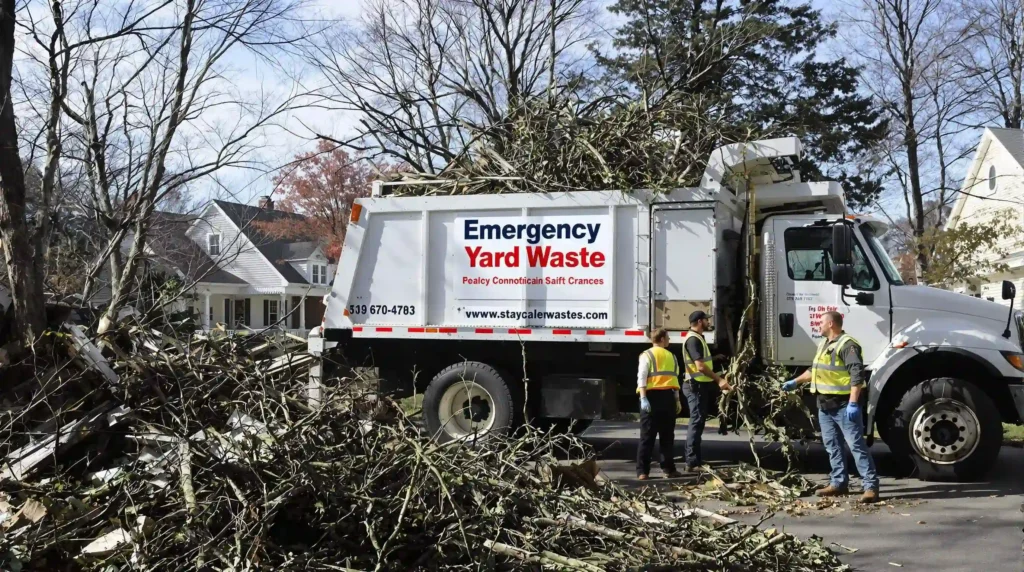
When selecting an emergency yard waste removal service, consider these critical factors:
- Response Time: Look for providers offering same-day or next-day removal
- Equipment Capability: Ensure they can handle large-scale debris
- Safety Protocols: Verify professional handling of hazardous waste scenarios
- Environmental Compliance: Confirm proper disposal and recycling practices
- Insurance and Certification: Check for proper licensing and insurance coverage
Professional services specializing in emergency yard waste removal can provide comprehensive solutions. They typically offer:
- Immediate site assessment
- Quick debris removal
- Safe transportation and disposal
- Potential cleanup and restoration services
While emergency situations can be stressful, having a pre-planned approach and knowing reliable removal services can significantly reduce potential property damage and safety risks. Connecticut homeowners should prioritize preparedness and maintain connections with professional waste management services capable of handling unexpected yard waste challenges.
Remember that quick action is crucial in emergency waste removal scenarios. By understanding your options and having a strategic plan, you can effectively manage sudden yard waste challenges while protecting your property and ensuring environmental responsibility.
Frequently Asked Questions
What are the yard waste disposal regulations in Connecticut?
Connecticut has implemented strict guidelines for yard waste management, prohibiting disposal of organic materials like grass clippings in standard waste streams. Homeowners must utilize alternative methods such as composting or municipal collection to comply with state laws.
How can I effectively compost yard waste at home?
Homeowners can compost yard waste by creating a backyard compost pile, using compost bins, or employing tumbler composters. Segregate different types of waste, such as leaves and grass clippings, to optimize the composting process and create nutrient-rich soil.
What options are available for municipal yard waste collection in Connecticut?
Many municipalities in Connecticut offer structured collection programs, including seasonal curbside pickup and designated drop-off locations for yard waste. Check with your local municipality for specific collection schedules and acceptable materials.
When should I consider hiring a professional yard waste removal service?
Consider hiring a professional removal service when dealing with large properties, complex yard waste, or during emergency situations such as storm damage. Professional services handle disposal according to local regulations and provide quick, efficient solutions.
Stress-Free Yard Waste Solutions Tailored for Connecticut Homes
Dealing with Connecticut’s complex yard waste rules leaves many homeowners frustrated and worried about fines or missed pickups. If you are feeling overwhelmed by local regulations, unpredictable weather, or simply too much yard debris for curbside collection, you are not alone. Whether you have bags of leaves, fallen branches from a storm, or just want reliable service that handles composting and compliance for you, it is time for a smarter, easier solution. Let our friendly team take the hassle out of every yard waste challenge, with quick scheduling, safe hauling, and a strong focus on recycling and responsible disposal. For larger cleanups and urgent needs, we offer same-day and emergency yard debris removal options in your Connecticut community.
You do not need to navigate disposal rules or handle heavy loads alone. Get an instant, no-obligation estimate now by visiting our quick online quote page, and see how easy it is to reclaim your yard. Ready for greener, cleaner results and total peace of mind? Request your free quote today and let us take care of your yard waste the right way.